
Last updated November 21, 2026
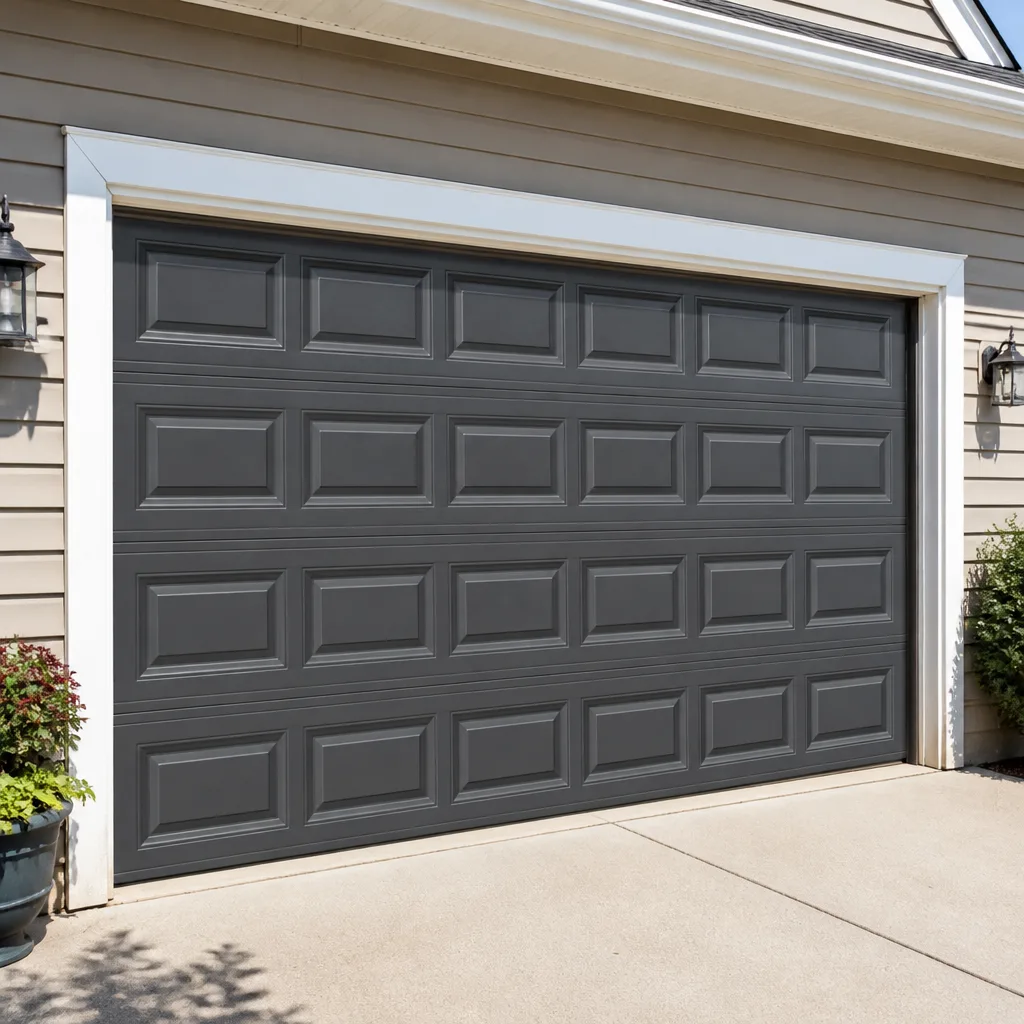 Raised-panel steel
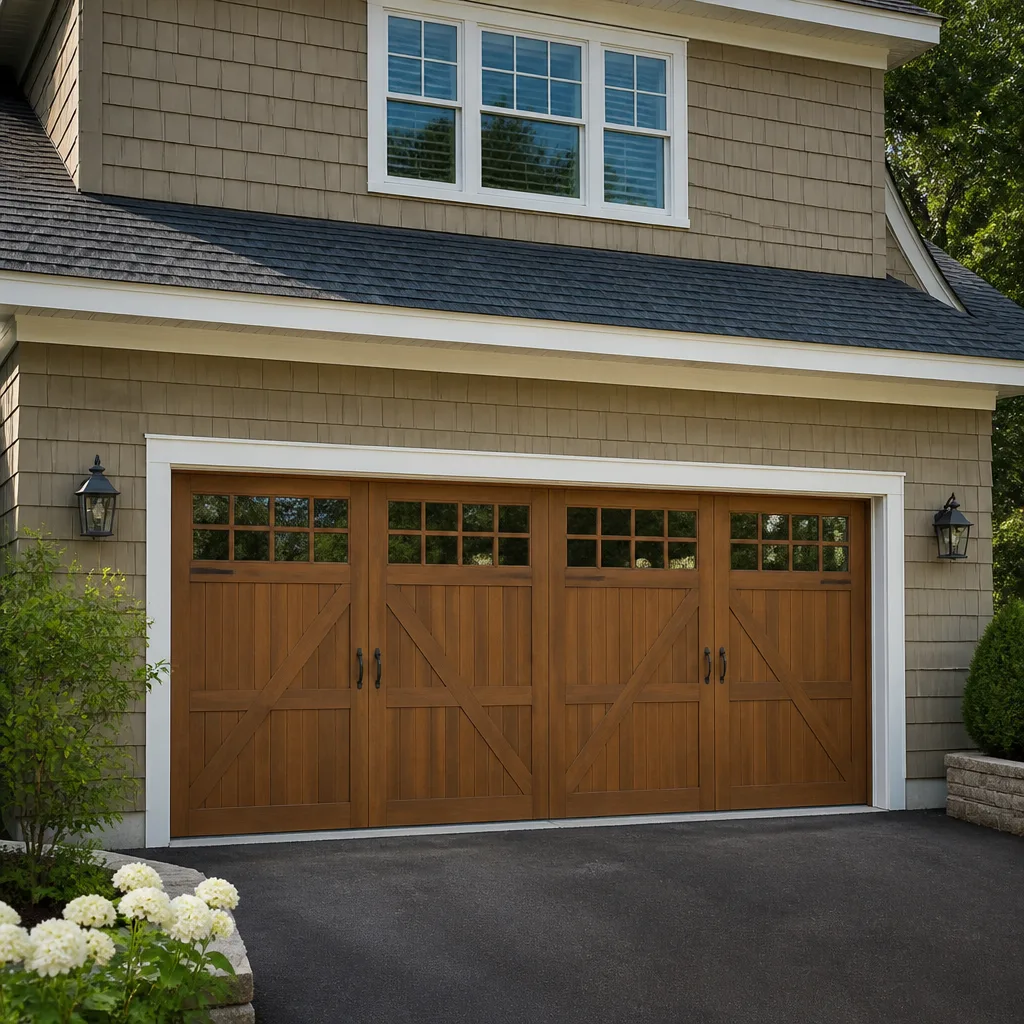 Carriage house
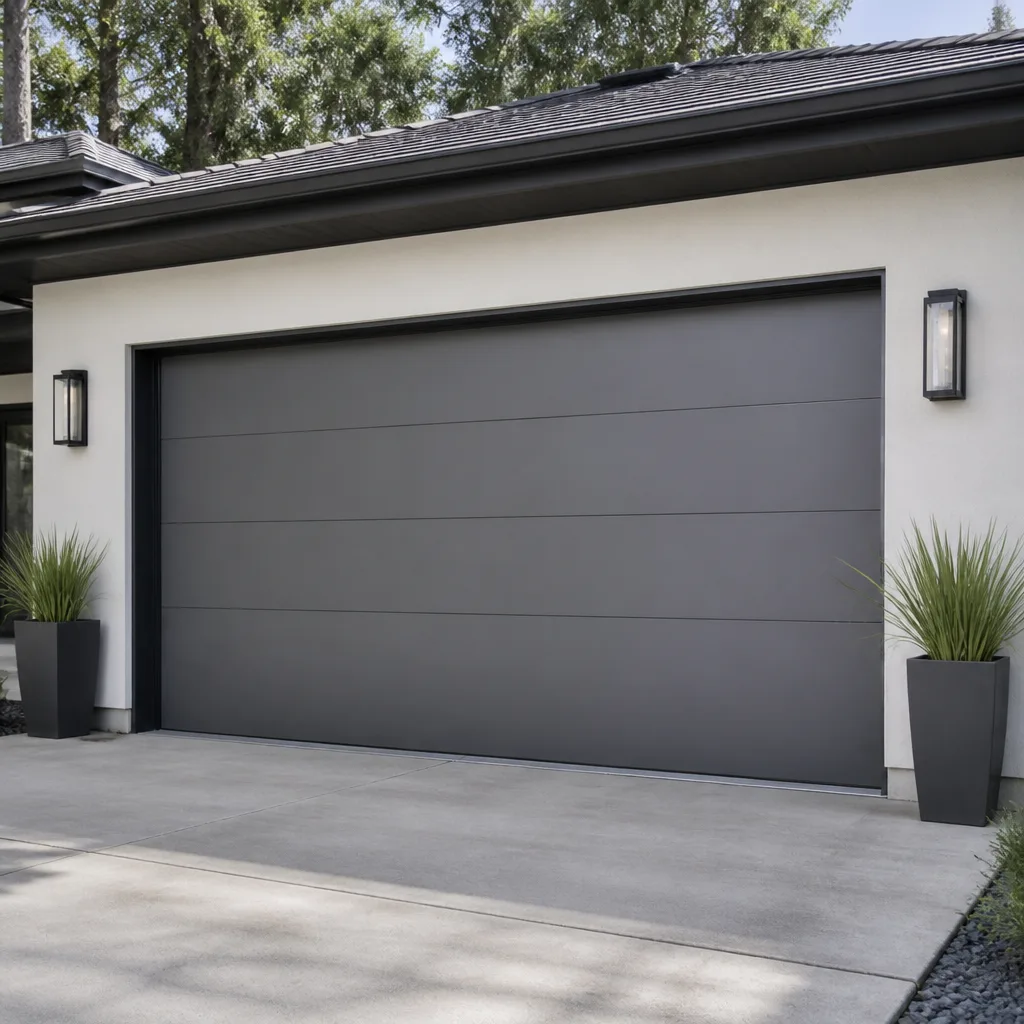 Modern flush
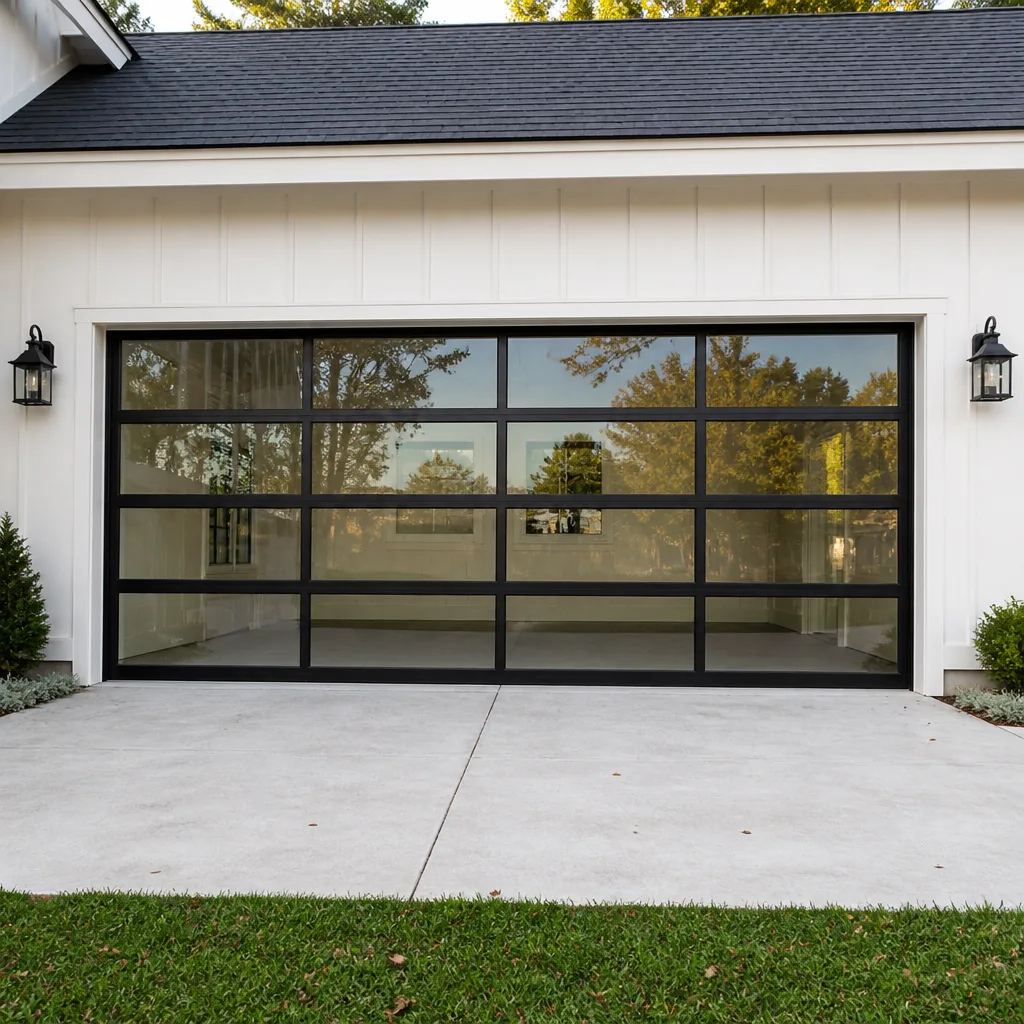 Full-view glass
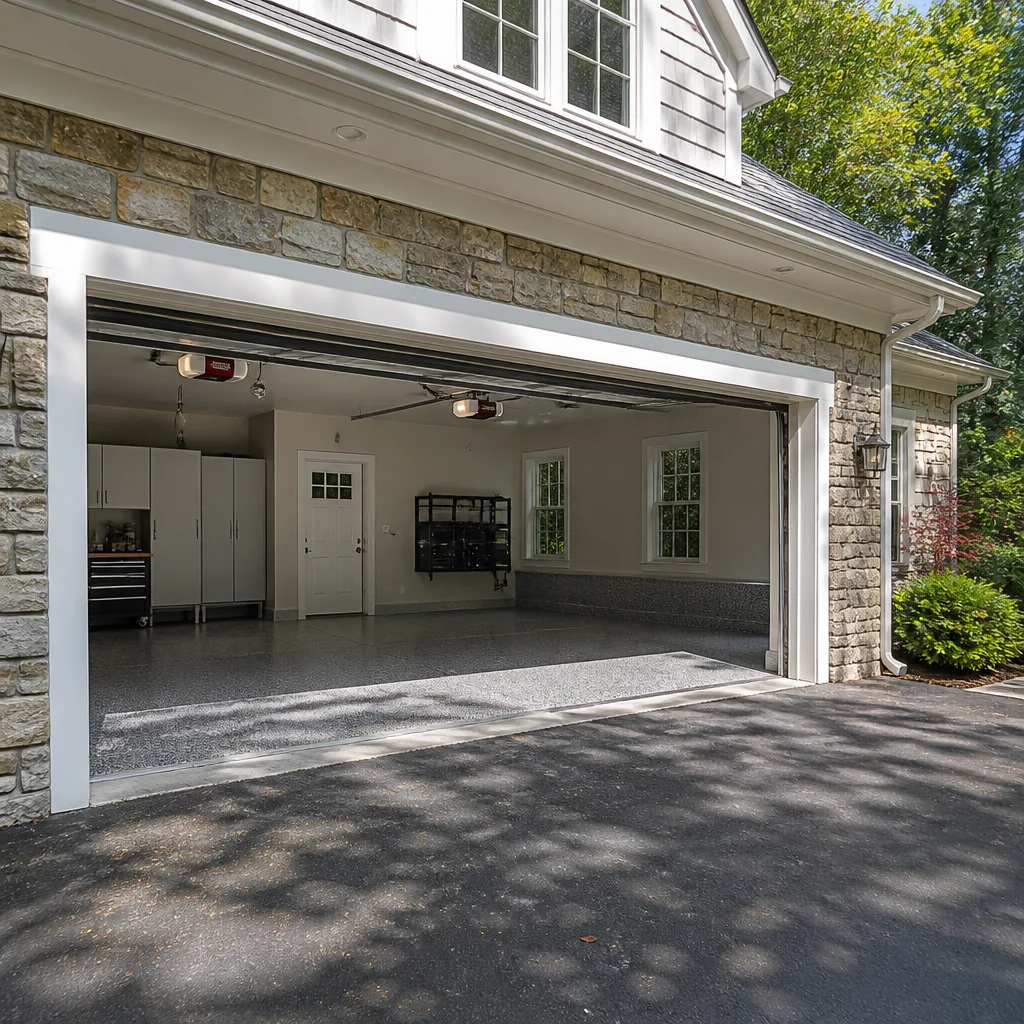 LiftMaster openers
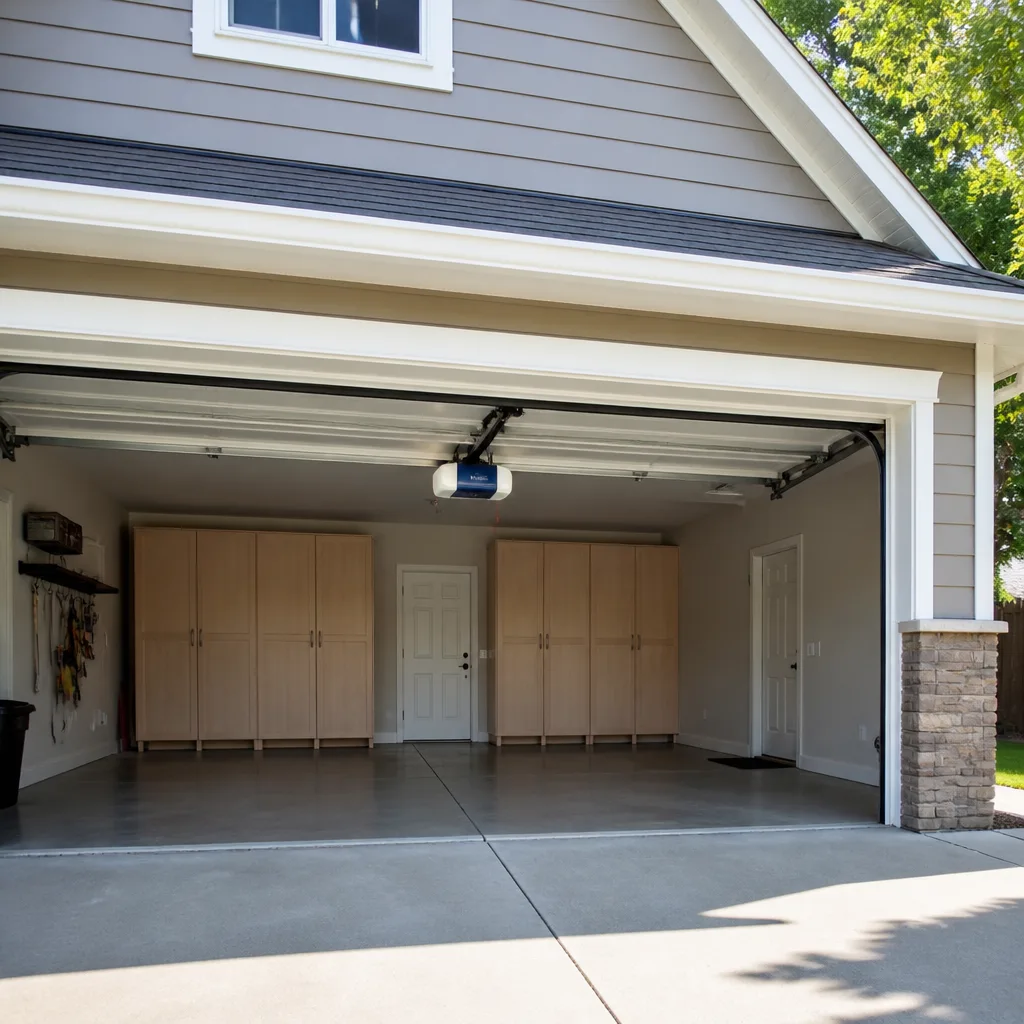 Chamberlain openers
Full 25-point door and opener safety check with every visit - springs, cables, rollers, tracks, and your LiftMaster or Chamberlain opener included
You get a price before we start. It does not change when the pro arrives.
Get your free estimateGarage Door Repair Maintenance Checklist for Belair-Edison Homeowners
A garage door cycles roughly 300 times a year in an average household, and most homeowners never inspect it once. That imbalance is how a small problem – a dry hinge, a cable with one broken strand – quietly becomes a larger repair bill. Manufacturer booklets don’t help much either: they tell you to “lubricate moving parts” without naming the lubricant, the parts, or what a failing component actually looks like. This checklist is different. It’s keyed to what genuinely fails on the doors common in Belair-Edison, with pass/fail criteria you can judge yourself and clear lines about what to leave to a trained technician.
Quick Answer
Inspect your garage door once a month with a quick visual walk-around, and do a full lubrication and balance check every six months – or every three months if your door gets heavy daily use. Belair-Edison’s freeze-thaw winters and humid summers work hinges, rollers and weather seals harder than a mild climate does, so seasonal checks matter here. Anything involving springs, cables or the torsion assembly should be a visual check only, followed by a call to a professional.
Styles & brands we work with
- Raised-panel steel
- Carriage house
- Modern flush
- Full-view glass
- LiftMaster openers
- Chamberlain openers
Table of Contents
- Why Belair-Edison Doors Need a Seasonal Checklist
- The Monthly Walk-Around: Pass/Fail Checks
- Lubrication by Component: Which Product Goes Where
- How to Run the Balance Test and Read the Result
- Spotting Cable Fraying and Roller Wear Safely
- How Often to Inspect, Based on Use Not Just the Calendar
- Opener and Safety-Reverse Checks
- When a Checklist Item Means Calling a Professional
Why Belair-Edison Doors Need a Seasonal Checklist
Belair-Edison’s housing stock includes a lot of brick rowhomes and detached garages built over several decades, and that matters for how a door wears. Older detached garages often sit unheated, which means the door and its hardware see the full swing of Maryland weather. Summers bring humidity that works into hinge pins and roller bearings. Winters bring freeze-thaw cycles that stiffen seals and can shift a slab just enough to throw a door’s track slightly out of line.
A door that runs clean in stable conditions can start binding once the temperature drops and the metal contracts. That binding puts extra load on the opener, the springs and the cables all at once. In our experience across Belair-Edison, we see more track misalignment and stiff-hinge complaints in the weeks after the first hard freeze than at any other point in the year.
There’s a second local factor: how the doors are used. Many Belair-Edison homes use the garage as the main entry point, not just for parking. That means the door cycles far more than the 300-a-year average – often several times a day. More cycles means faster wear on rollers, hinges and cables, and it’s the single biggest reason to inspect by usage rather than by the calendar alone.
None of this requires a technician on every check. Most of what follows is a ten-minute walk-around you can do yourself. The value is in knowing what “pass” looks like, so you can flag anything that reads as “fail” before it gets worse. That’s the whole point of a checklist: catching small things while they’re still small.
The Monthly Walk-Around: Pass/Fail Checks
The monthly check is a visual and listening inspection, done with the door closed and disconnected from the opener. It takes minutes and catches the majority of developing problems. Here’s the sequence, with a clear pass/fail for each step.
- Listen to the cycle. Open and close the door once and listen. Pass: a steady mechanical hum. Fail: grinding, squealing, popping or a rhythmic scrape. Any recurring noise points to a worn roller, a dry hinge or a track that’s out of alignment.
- Look at the hinges. Pass: hinges sit flush and tight against the panel. Fail: a hinge that’s loose, bent or rusted through. Loose hinges let panels shift, which loads the rest of the hardware unevenly.
- Check the rollers. Pass: rollers turn freely in their tracks without wobble. Fail: flat spots, cracks in the nylon, or a roller that binds and skids rather than rolls.
- Inspect the tracks. Pass: straight, clean and symmetrical on both sides. Fail: dents, kinks or a gap where a roller has jumped the track. Never bend a track back into shape yourself – a misaligned track is a safety issue and needs a technician.
- Check the weather seal. Pass: the bottom seal flexes and contacts the floor evenly. Fail: cracks, tears, or daylight visible under the closed door. A failing seal lets in water and pests and forces the door to work harder to close against the frame.
- Test the balance manually. With the door disconnected, lift it halfway. Pass: it holds position, roughly balanced. Fail: it drops or rises on its own. A door that won’t hold means the springs are losing tension – a job for a professional, not a homeowner.
Write down anything that fails and note whether it’s getting worse month to month. A hinge that squeaks once and quiets may just need lubrication. A hinge that’s been squeaking for three months is telling you something.
Lubrication by Component: Which Product Goes Where
This is where most checklists fall apart. “Lubricate moving parts” is useless without naming the product and the part. Different components take different lubricants, and using the wrong one can attract grit or damage a seal. Here’s what we recommend, and what’s typically easy to find at hardware stores and big-box retailers in the Belair-Edison area.
- Hinges and roller stems: lithium grease. A white lithium grease in a tube or spray can is the right call for metal-on-metal contact points. Apply a thin film to each hinge pivot and roller stem, then wipe off the excess. Lithium grease stays put through temperature swings, which suits Maryland winters.
- Roller bearings: a few drops of light machine oil. Don’t pack grease into a sealed roller bearing. A couple of drops of light oil on the bearing is plenty.
- Weather seals and the bottom seal: silicone spray. Silicone spray keeps rubber and vinyl seals supple without degrading them. Spray a light coat along the seal and wipe it in. This is especially useful before winter, when cold makes seals brittle.
- Track surfaces: a dry cloth, not lubricant. Tracks should be wiped clean, not greased. Grease on a track attracts dirt and grit, which wears rollers faster. Clean the tracks with a damp cloth and leave them dry.
- Avoid: WD-40 as a long-term lubricant. The standard WD-40 is a solvent and light oil, useful for loosening a rusty bolt, but it doesn’t hold up as a hinge or roller lubricant. Use the right product for the job.
Lubricate every six months in normal use, or every three months for a heavily used door. Do it when the door is closed and the opener is disconnected, and work the door by hand a few times afterward so the lubricant spreads into the joints.
How to Run the Balance Test and Read the Result
The balance test tells you whether your springs are doing their job. A torsion spring system is designed to counterbalance the door’s weight, so the opener lifts only a fraction of the load. When the springs weaken – which they do over thousands of cycles, and faster in a cold climate – the opener and cables take on weight they weren’t designed for. That’s when heavier problems start. Here’s how to run the test safely.
- Close the door fully and pull the release handle to disconnect the opener. The door should be fully closed first.
- Lift the door by hand to about waist height, roughly halfway up.
- Let go and step back. A properly balanced door stays in place. If it sags down, the springs are losing tension. If it rises on its own, the springs are too tight.
- Lower the door gently by hand and re-engage the opener.
What the result tells you: a door that won’t hold position is a spring health warning. If it sags, the springs may be near the end of their life and the opener is compensating – that extra load shortens opener life and stresses cables. If it rises, you likely have too much spring tension. Either way, don’t adjust spring tension yourself. Springs are under extreme mechanical load, and a mistake can cause serious injury. This is a visual check only – the fix belongs with a trained technician.
Spotting Cable Fraying and Roller Wear Safely
You can inspect cables and rollers safely from the floor without touching anything under tension. The goal is to spot the signs early enough to call before something fails.
Cable fraying signs:
- Broken strands sticking out from the cable – even one broken strand is a warning sign.
- A kinked, twisted or flattened cable.
- Rust on the cable itself, which weakens it over time.
- A cable that looks slack or is off its drum on one side.
Cables are under high tension whenever the door is closed. Never grab, straighten or cut a cable. If you see any of the signs above, keep the door in the open position if it’s safe to leave it there and call for repair. A cable that fails while the door is up can drop the door, which is dangerous.
Roller wear signs:
- Flat spots on the roller instead of a smooth round profile.
- Cracks in the nylon roller material.
- A roller that wobbles on its stem or won’t turn by hand.
- Squealing or scraping when that section of the track passes.
Worn rollers are usually a simple, low-cost replacement – but replace them before they start damaging the tracks. Roller wear is one of those things where a small, prompt repair prevents a bigger, costlier one. If you’re not sure whether a roller is worn or just dirty, a technician can tell you in a few seconds what it took us years to learn to spot from a photo.
How Often to Inspect, Based on Use Not Just the Calendar
Calendar-based advice is a starting point, but usage is the real driver. A door that cycles twice a day wears roughly four times faster than a door used a few times a week. Here’s how to set your frequency based on how your garage door actually gets used in Belair-Edison.
- Light use (2-4 cycles a week): Monthly visual walk-around, full lubrication and balance check every six months, professional inspection every two years.
- Normal use (a few cycles a day, car parking): Monthly walk-around, lubrication and balance every six months, professional inspection annually.
- Heavy use (garage as main entry, several cycles a day): Monthly walk-around with extra attention to hinges and rollers, lubrication and balance every three months, professional inspection twice a year.
- Seasonal trigger: Belair-Edison’s first freeze and the start of the humid summer are both worth a check regardless of your schedule, because each season stresses different components.
Whatever your frequency, keep a simple log: date, what you checked, what you found. This is genuinely useful. It tells you whether a noise is new or old, whether a roller has been slowly getting worse, and whether the door has been drifting out of balance over several months. It also gives any technician who works on the door a clear picture of what’s been happening. A short note in a notebook beats a memory every time.
Opener and Safety-Reverse Checks
Your opener is the part of the system most likely to have a safety feature you’ve never tested. The safety-reverse function – which makes the door stop and reverse if it meets an obstruction – is there to protect people and pets. Test it as part of your monthly round.
- Place a small obstacle on the floor under the closing door – a roll of paper towels or a piece of wood a couple of inches tall.
- Close the door with the opener and watch. It should contact the obstacle and reverse immediately without crushing it.
- Test the photo-eye sensors on both sides of the door by passing an object through the beam while the door closes. The door should reverse.
- Check the sensors are aligned, clean and free of cobwebs. Dirty or misaligned sensors are one of the most common reasons a door won’t close.
If the door doesn’t reverse, or the sensors won’t stay aligned, don’t ignore it. That’s a safety function you want working. We work on the opener brands most common in Belair-Edison homes – LiftMaster and Chamberlain systems are everywhere, and we’re factory-familiar with how each one behaves, including the sensor wiring quirks that can send a door back up for no obvious reason. For expert help on the electronics side, see our garage door opener repair page.
Also check the opener’s force setting if the door starts reversing on its own, and check the manual release works. A release that sticks won’t help you in an emergency.
When a Checklist Item Means Calling a Professional
Most of this checklist is yours to own. The exceptions are the safety-critical components. Call a professional when you find: a door that won’t hold position during the balance test (spring tension), any broken cable strand or slack cable, a track that’s bent or out of alignment, an opener that fails the safety-reverse test, or a door that’s become difficult to lift by hand. These involve stored mechanical energy, and the right fix is a trained technician, not a homeowner with a wrench.
Garage Door Repair Belair-Edison offers free estimates in Belair-Edison. We work on the brand already in your garage, whether that’s a Wayne Dalton, a Craftsman, a Raynor or a LiftMaster system, so we know the specifics of your hardware before we arrive. Our technicians have up to 12 years of experience, and spring repair is a core service we perform in-house rather than farming out. Call (855) 337-1760. We answer 24/7. Fast dispatch from 7am to 7pm, Sunday through Friday.
See the difference
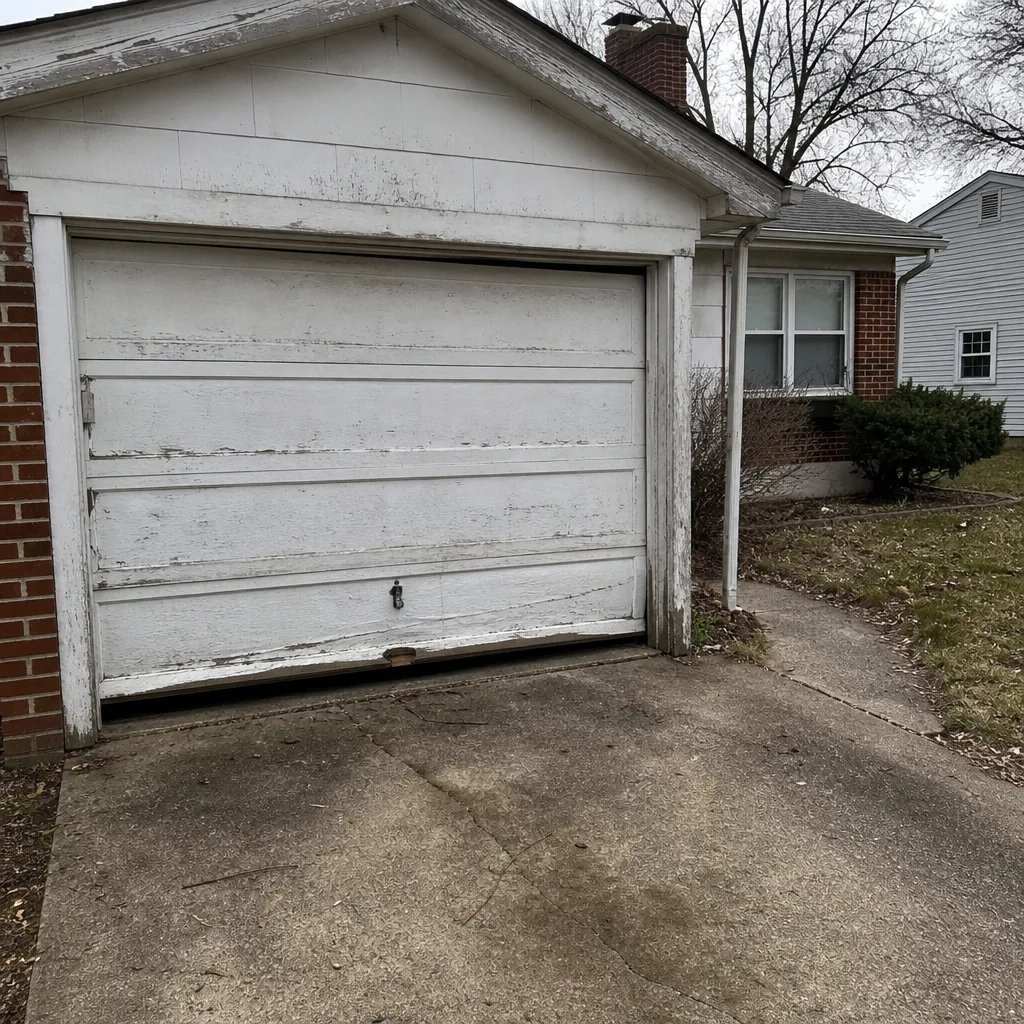 Before
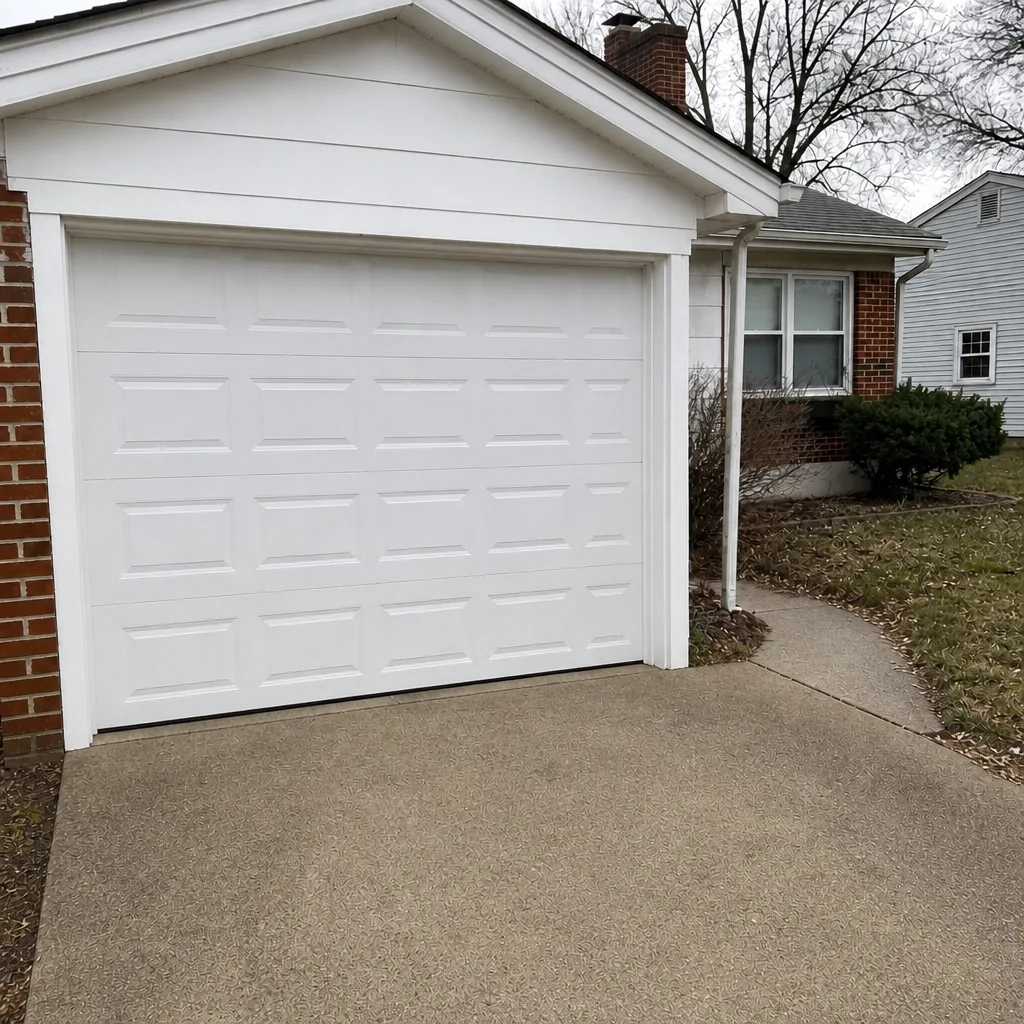 After
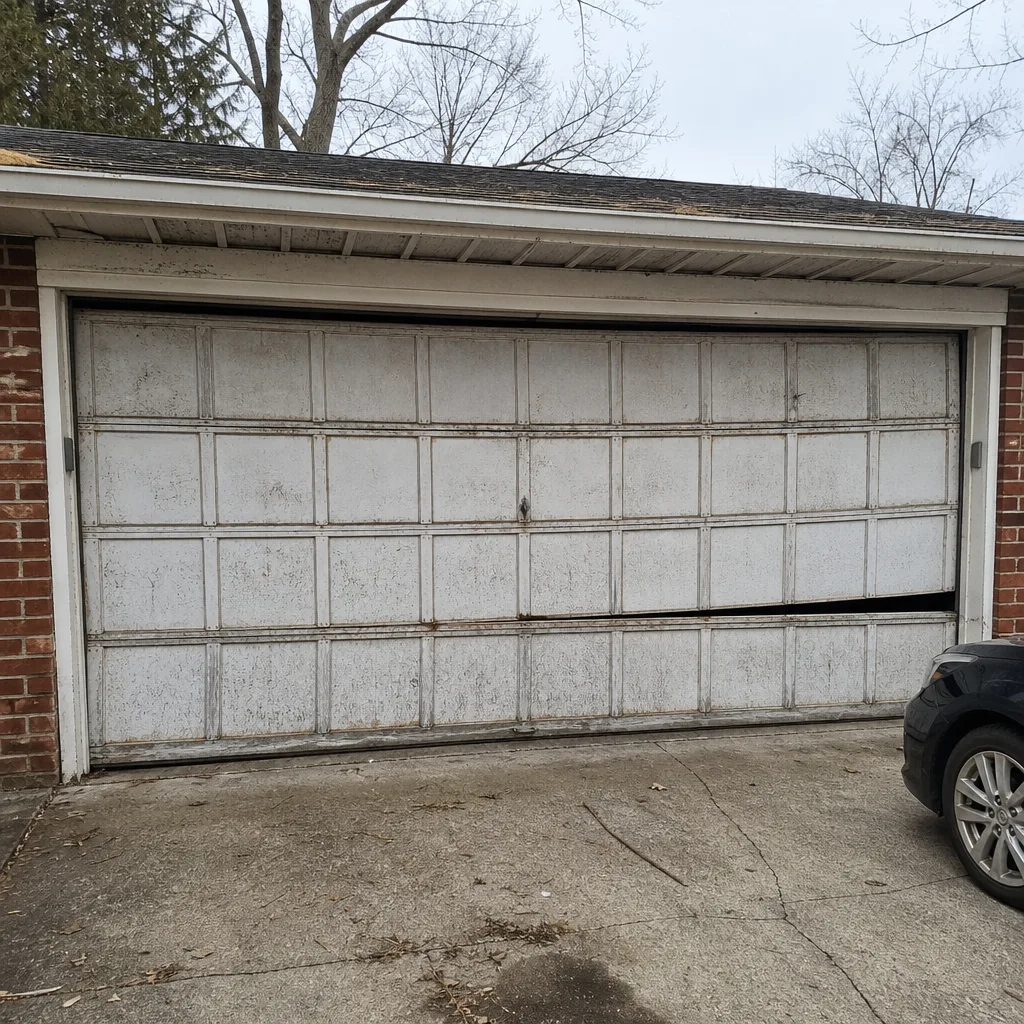 Before
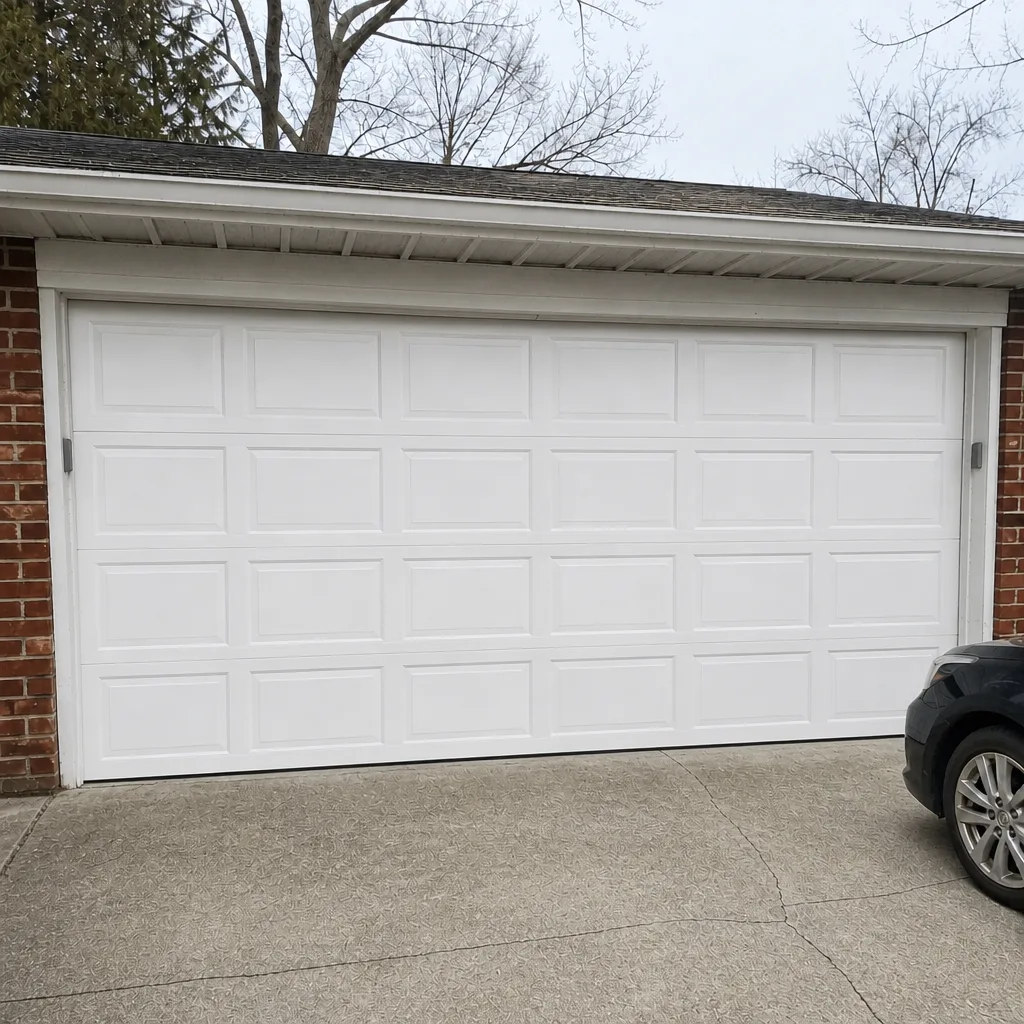 After
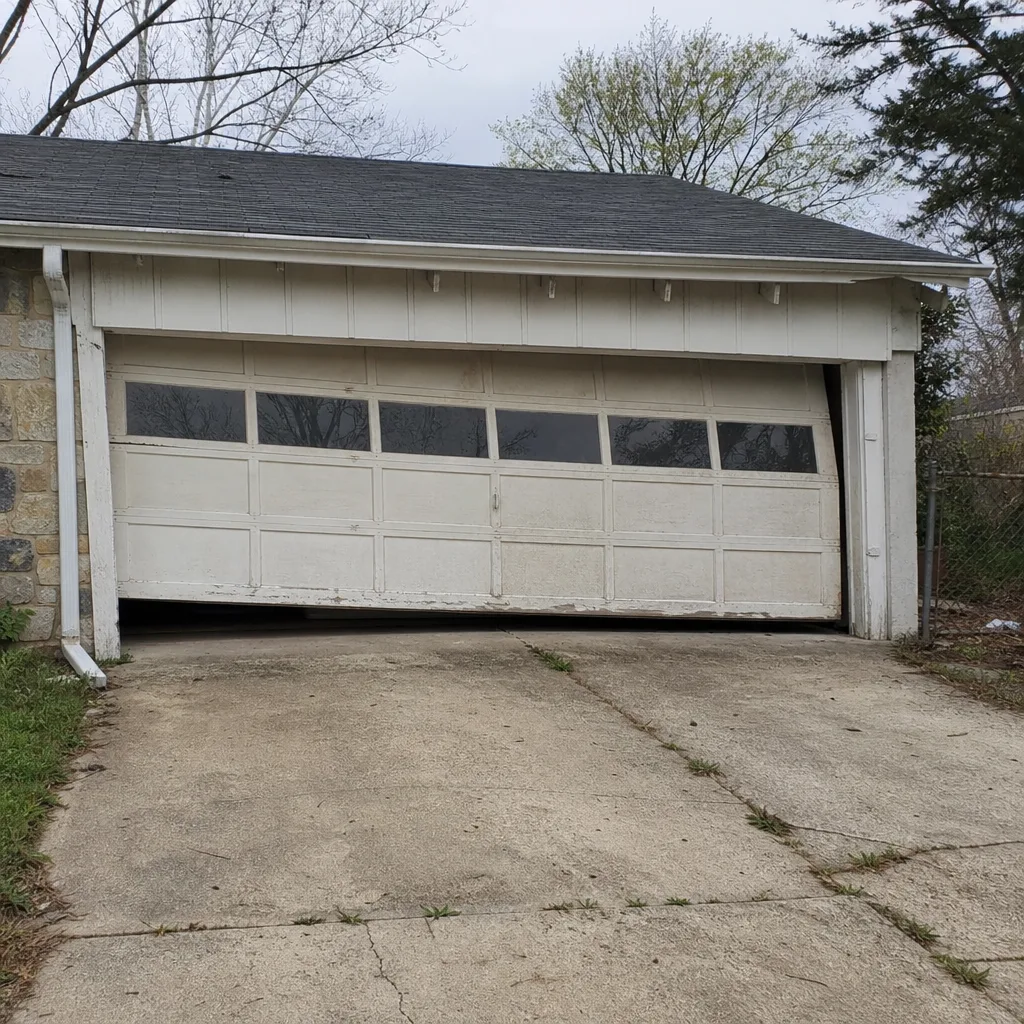 Before
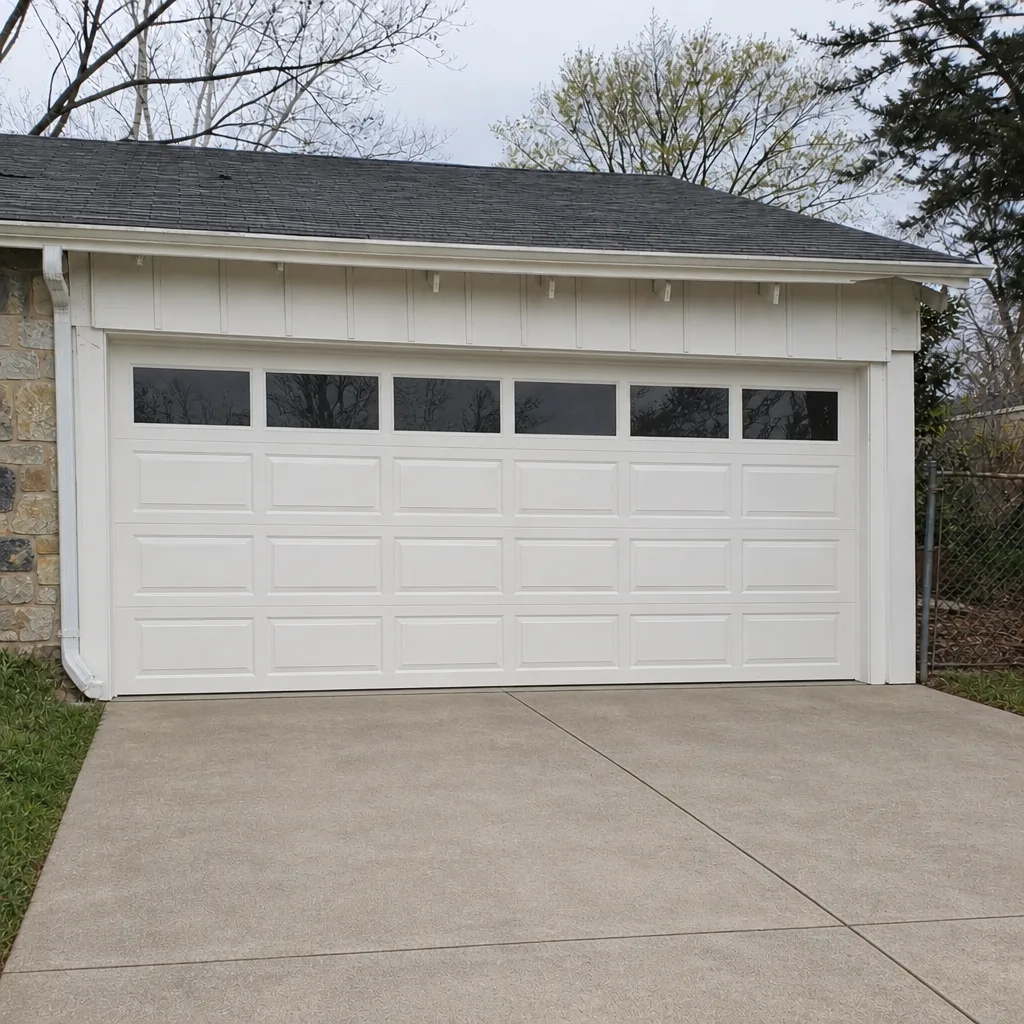 After
Frequently Asked Questions
Do a quick visual walk-around monthly and a full lubrication and balance check every six months – every three months if your door gets heavy daily use. Belair-Edison’s freeze-thaw winters and humid summers are hard on seals, hinges and tracks, so the seasonal checks are worth keeping. A professional inspection once a year catches what a visual check can’t.
Use white lithium grease on hinges and roller stems, light machine oil in roller bearings, and silicone spray on weather seals. Keep the tracks clean and dry – don’t grease them. Standard WD-40 isn’t a long-term lubricant for these parts. Call (855) 337-1760 if you’re unsure which component needs which product.
No. Garage door springs are under extreme tension and can cause serious injury if handled incorrectly. Keep the door in the open position if it’s safe to do so, keep everyone clear, and call a professional. Spring repair is a named service we offer, and it’s one of the most technically demanding jobs in the trade.
It usually means the safety-reverse is triggering on an obstruction – often a dirty or misaligned photo-eye sensor, or an obstruction on the floor. Clean and align the sensors and retest. If it still reverses, the opener’s force limit may need adjustment, and that’s worth a technician’s eyes. Call (855) 337-1760 for a free estimate.
Yes, in the sense that small, cheap fixes prevented early stay small. Worn rollers, dry hinges and stiff seals are inexpensive to address and costly to ignore once they start damaging tracks or loading the opener. A few minutes a month is the cheapest form of garage door repair there is.
With regular lubrication and inspection, a well-made door and opener typically last many years, but heavy daily use shortens that. In a four-season climate, springs and cables wear faster than the door itself. Our technicians have up to 12 years of experience and can tell you, from looking at your door, which parts are near the end of their life and which have plenty of life left.
Common Mistakes to Avoid
- Greasing the tracks. Tracks should be clean and dry. Grease attracts grit that grinds down rollers faster, so wipe them down instead.
- Ignoring a door that won’t balance. A door that sags on the balance test is telling you the springs are losing tension. Left alone, the opener and cables pay the price.
- Bending a bent track back by hand. A misaligned track is a safety issue, and forcing it can make it worse. Call a technician.
- Using WD-40 as a long-term fix. It loosens rust but doesn’t hold up as a hinge and roller lubricant. Use lithium grease and light oil.
- Skipping the safety-reverse test. It’s the one function that protects people and pets, and it’s easy to forget until it fails. Test it monthly.
- Operating a door with a broken cable. A single broken strand is a warning. Keep the door open if it’s safe and call for repair.
- Judging maintenance by the calendar alone. A door used as the main entry needs checks far more often than one used a few times a week.
These are the mistakes we see most in Belair-Edison. None of them are complicated to avoid once you know to watch for them.
The Bottom Line
A garage door isn’t a mystery, but it does reward attention. Check it monthly, lubricate the right parts with the right products every six months, run the balance test, and watch for cable and roller wear. Most failures give you plenty of warning – a noise, a sag, a color change – if you’re looking. Belair-Edison’s climate makes the seasonal checks matter more than in a mild region. When a checklist item points at a spring, a cable or a track, leave it to a professional. If you’d like a fresh set of eyes on your door, call (855) 337-1760 for a free estimate.
For any repair or replacement work the checklist flags, see our garage door repair service, our garage door installation options if the door is past repair, and our main Garage Door Repair Belair-Edison page for the full scope of what we handle.
Written by the team at Garage Door Repair Belair-Edison.