
Last updated November 21, 2026
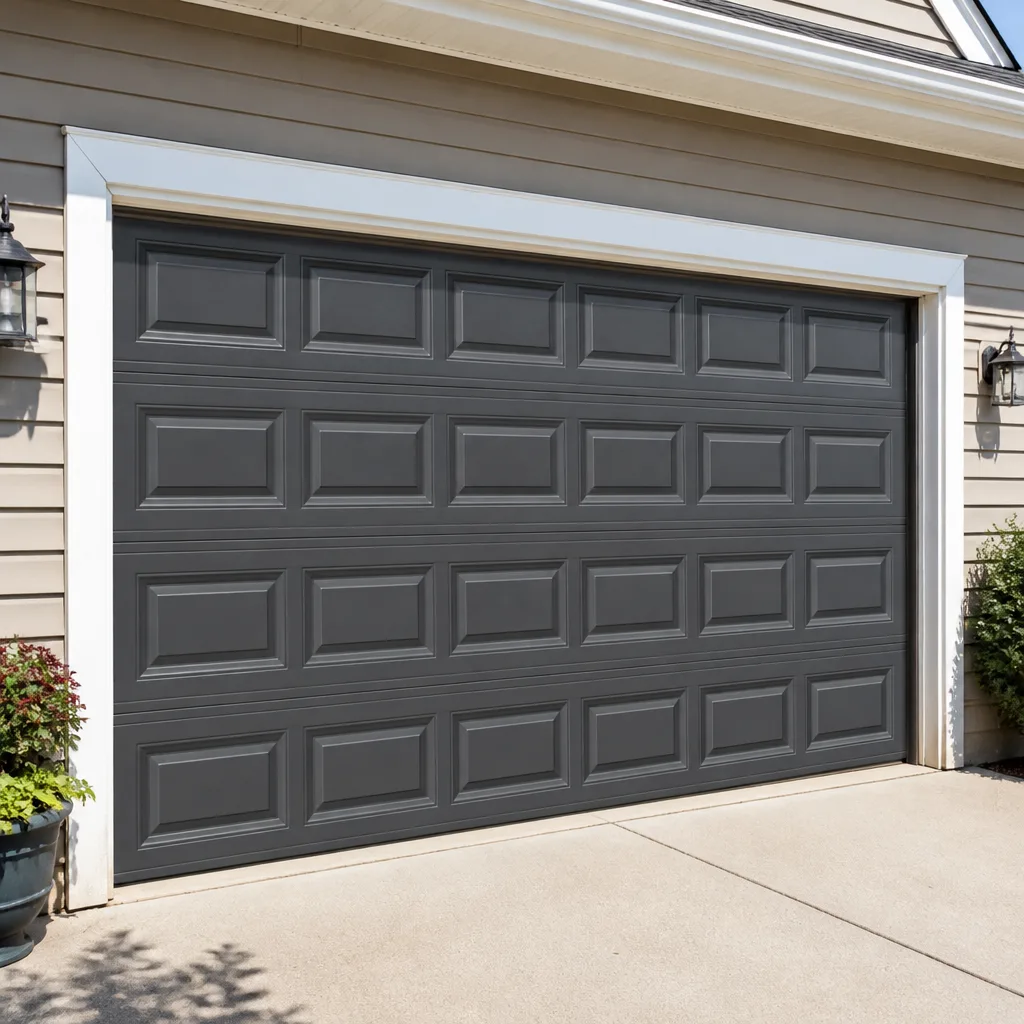 Raised-panel steel
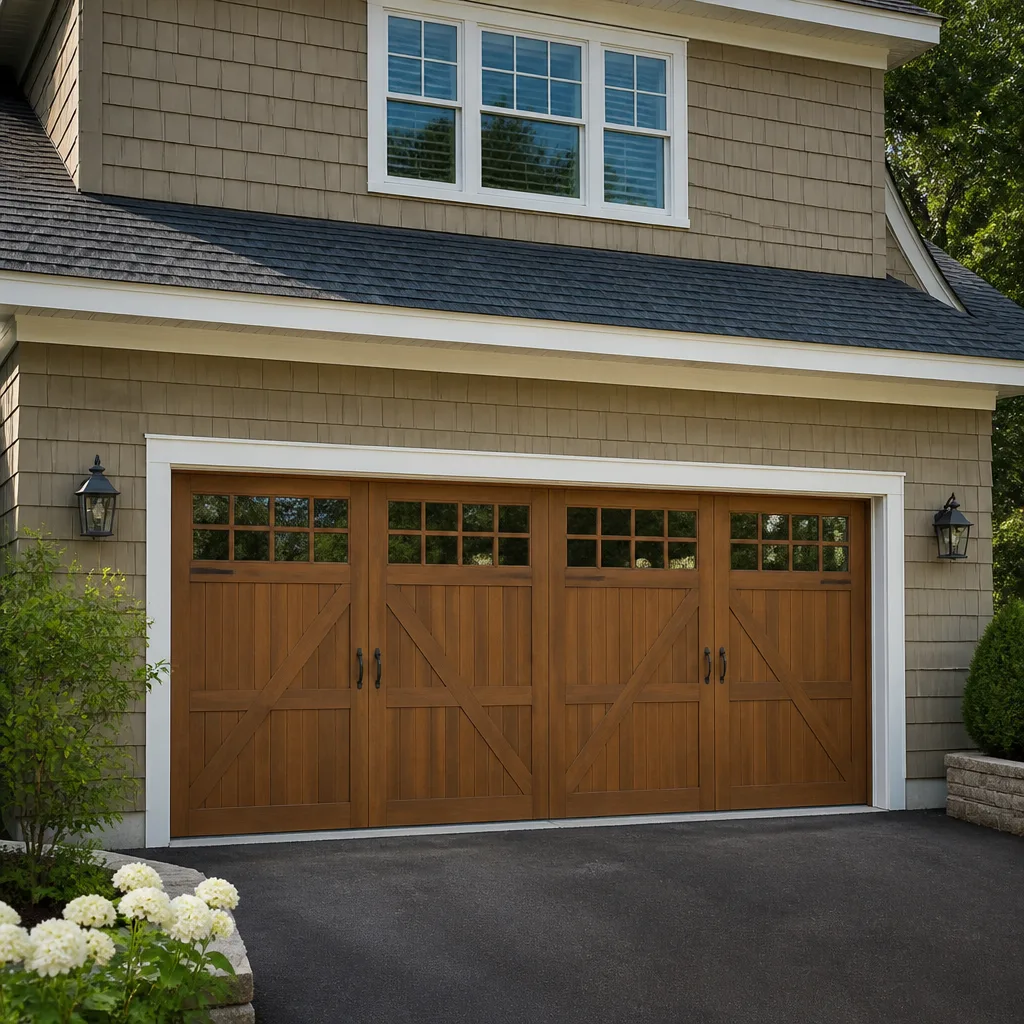 Carriage house
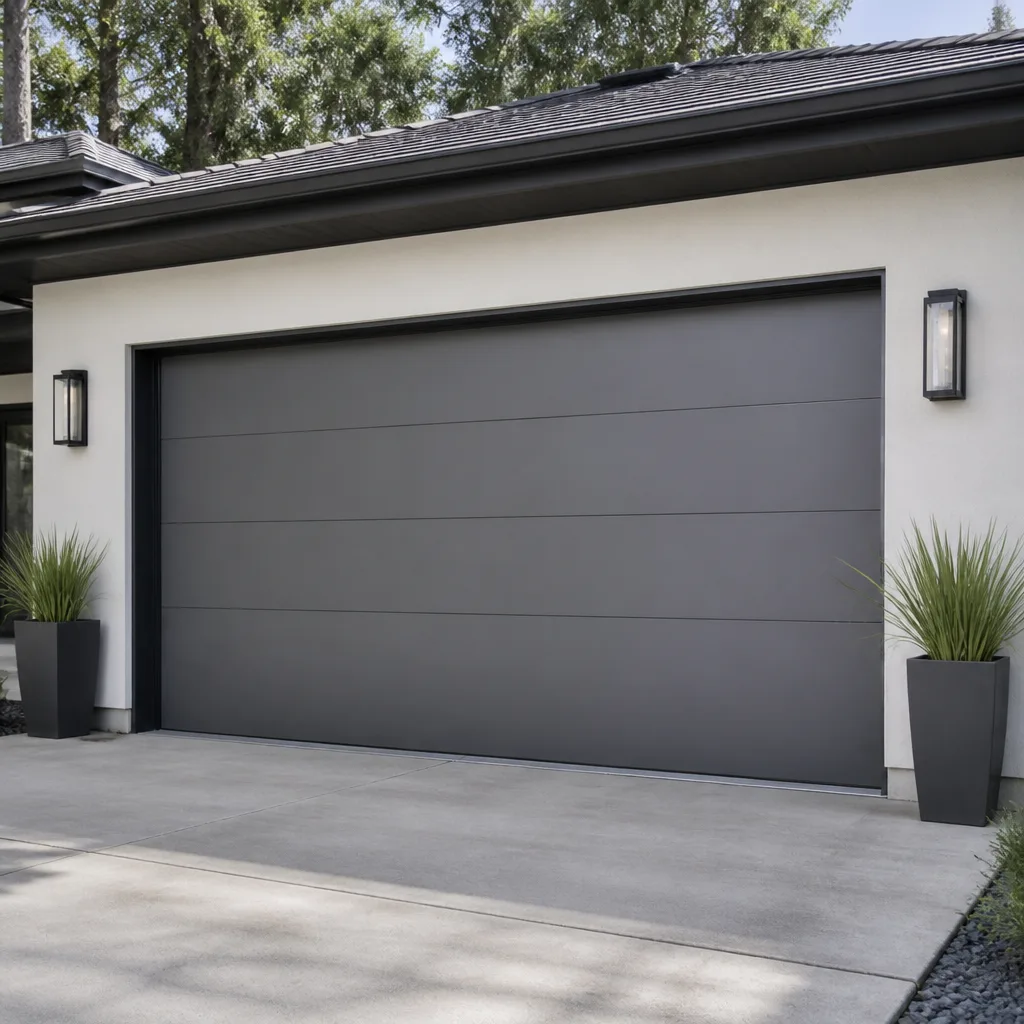 Modern flush
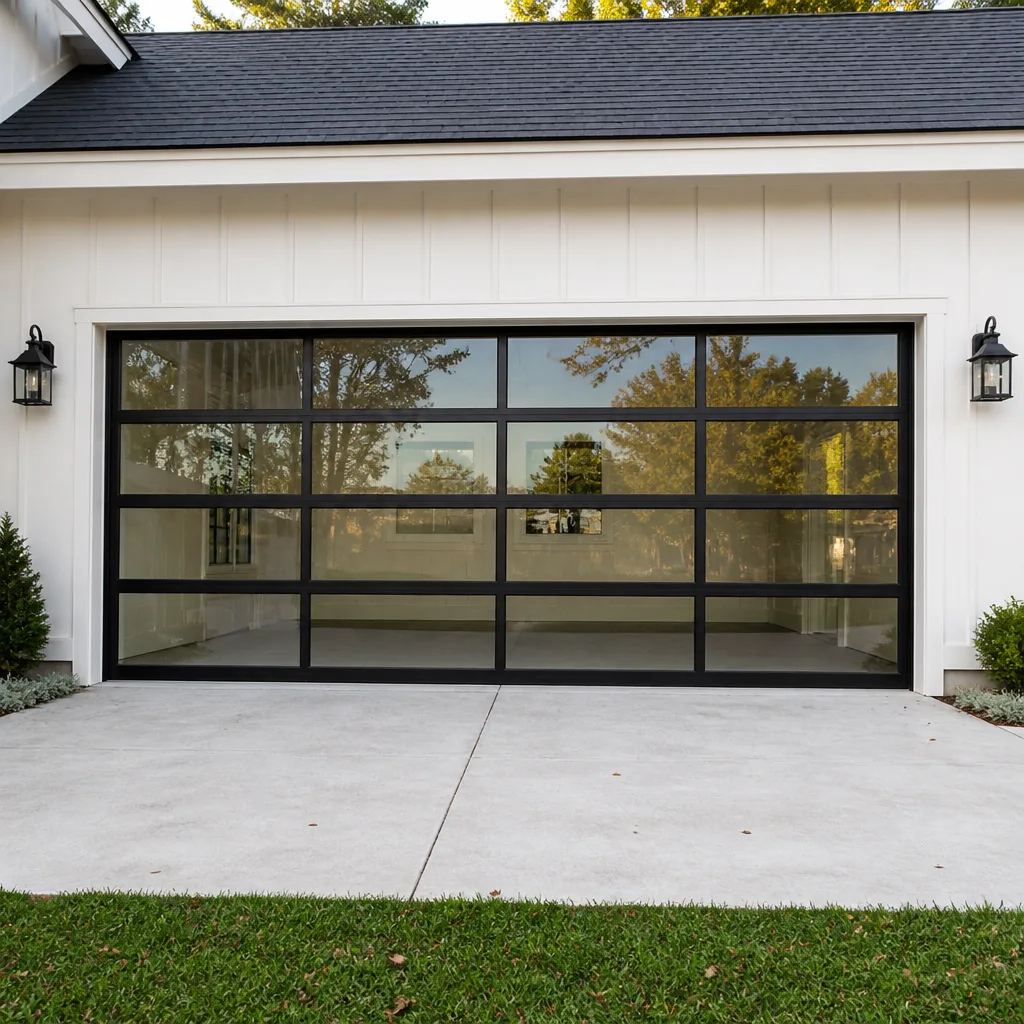 Full-view glass
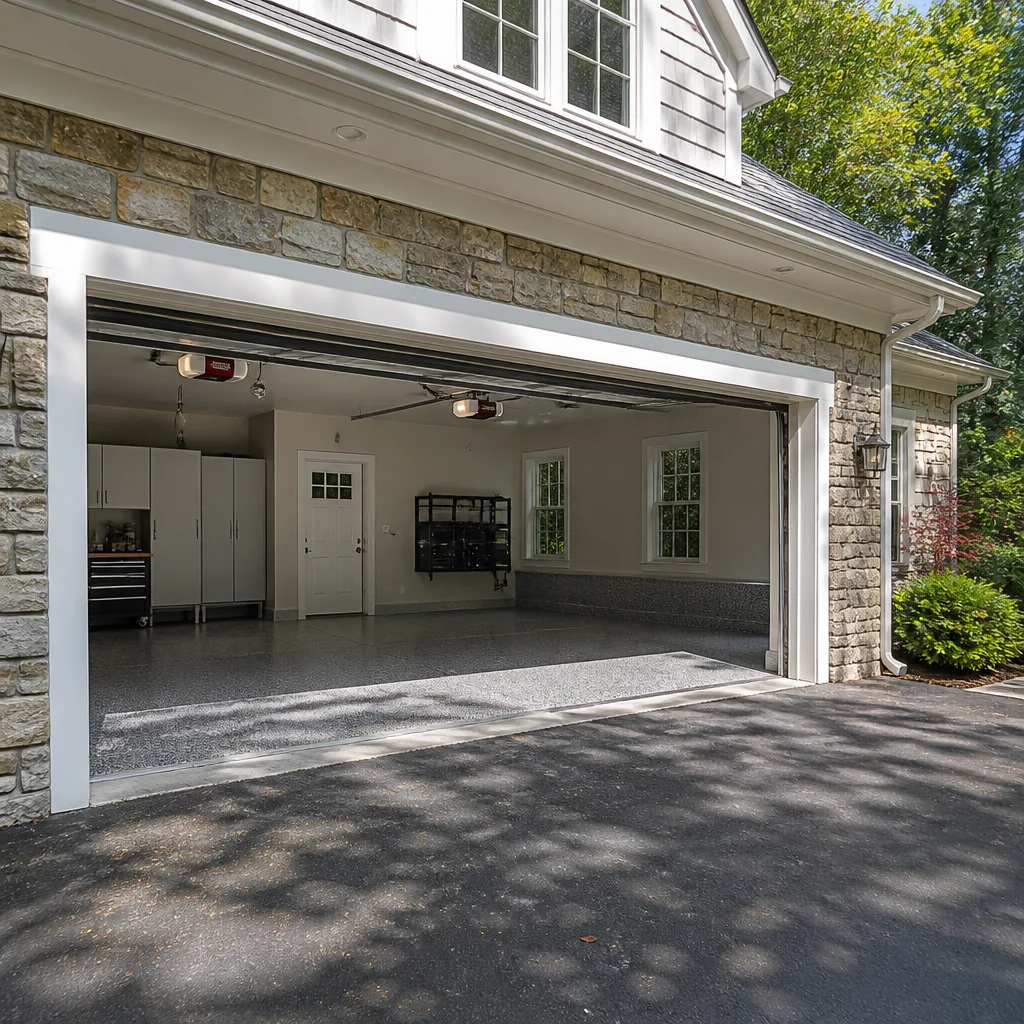 LiftMaster openers
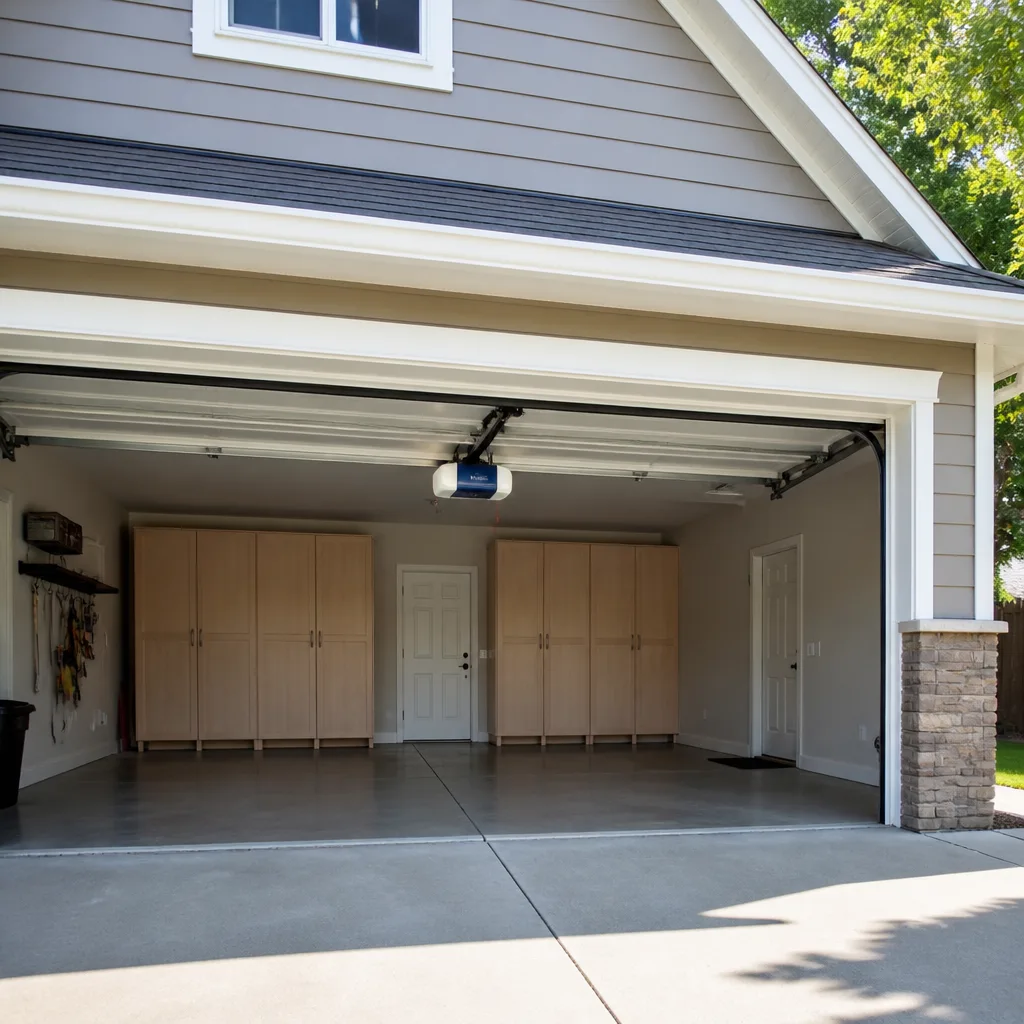 Chamberlain openers
Full 25-point door and opener safety check with every visit - springs, cables, rollers, tracks, and your LiftMaster or Chamberlain opener included
You get a price before we start. It does not change when the pro arrives.
Get your free estimateHow to Hire a Garage Door Contractor in Belair-Edison: A Step-by-Step Guide
Here’s the part most homeowners don’t learn until it’s too late: in Maryland, there’s no single licensing category called “garage door contractor.” That means anyone with a truck, a drill and a business card can hand you a quote for a spring replacement. Telling a real specialist apart from a generalist takes about five minutes and three specific questions, and most people never ask them. This guide walks you through the vetting framework we wish every Belair-Edison homeowner had before they signed anything: how to check a contractor’s registration, what to ask, which red flags matter, and how to compare quotes that look similar but aren’t.
Quick Answer
To hire a garage door contractor in Belair-Edison, verify the business is registered with the Maryland Home Improvement Commission (MHIC) and check its standing before you sign, ask three technical questions about the specific door and spring in your garage, and insist on a written, itemized estimate. A specialist should be able to name the brand of your door, explain spring cycle ratings, and quote labor separately from parts. If a contractor can’t do all three, keep looking.
Styles & brands we work with
- Raised-panel steel
- Carriage house
- Modern flush
- Full-view glass
- LiftMaster openers
- Chamberlain openers
Table of Contents
- What Maryland Actually Requires of a Garage Door Contractor
- How to Verify a Contractor’s Standing Before You Sign
- The Three Questions That Separate a Specialist from a Generalist
- How to Compare Quotes When Parts Aren’t the Same
- What a Written Estimate Should Include (and What’s Often Missing)
- Red Flags Specific to Garage Door Quotes
- Repair vs. Replace: How to Tell Which One Makes Sense
- Why Belair-Edison Homes Need a Contractor Who Knows the Housing Stock
What Maryland Actually Requires of a Garage Door Contractor
Maryland requires home improvement contractors to be licensed through the Maryland Home Improvement Commission, which sits under the Maryland Department of Labor. That license covers anyone performing home improvement work for compensation, and garage door repair and installation fall under that umbrella. If a company is doing this work in Belair-Edison, it should be able to produce an MHIC license number before you sign a contract.
What Maryland does not have is a separate, dedicated “garage door contractor” license. There’s no exam that certifies someone specifically knows how to size a torsion spring or balance a door against its track. The MHIC license confirms a business is registered and carries the required insurance, but it doesn’t confirm technical competence in garage doors specifically. That distinction is the whole reason this guide exists. The license tells you the business is legitimate. It doesn’t tell you the person holding the wrench has done this particular job hundreds of times.
A general handyman can legally hold an MHIC license and still not know the difference between a torsion and an extension spring system. So use the license as a floor, not a ceiling. It answers “is this a real business?” It doesn’t answer “does this business actually know garage doors?” That second question is the one you have to ask yourself.
For Belair-Edison homeowners, this matters because the neighborhood’s housing stock includes a lot of older rowhouses and detached garages where the hardware predates modern standards. A contractor who only works on new construction may not recognize the quirks of a system installed decades ago. A specialist with hands-on experience across the major brands, including Clopay and Amarr doors and Chamberlain and Genie openers, will spot those older systems and know how to work with them safely. You can read more about the technical side of Garage Door Repair Belair-Edison if you want the full picture of what a specialist covers, but the hiring decision starts here: license first, technical depth second.
How to Verify a Contractor’s Standing Before You Sign
Verification isn’t complicated, but it does take a few deliberate steps. The good news is that a legitimate contractor will not be bothered by any of them. If anything, the right company will welcome them.
- Ask for the MHIC license number in writing. Not verbally, not “it’s on the truck.” Get it in an email or on the written estimate. Then look it up directly on the Maryland Home Improvement Commission’s public license search. That search will show whether the license is active, expired, or has any disciplinary history.
- Confirm the business name matches the license. A common dodge is to quote under one company name and bill under another. Make sure the name on the estimate matches the name on the license.
- Ask for proof of insurance. The MHIC requires general liability coverage, but you want to see the certificate. This protects you if a technician damages your door, your track, or the frame around the opening.
- Check that the company has a verifiable physical presence and a phone number you can actually reach. A cell number and a first name is not a business you want handling a safety-critical spring repair on a system you rely on every day.
- Ask how long the technicians have been doing garage door work specifically. Not how long the company has been around, but how experienced the people doing the work are. Our own technicians have up to 12 years of experience in this trade, and we think that’s the right thing to ask about.
None of this takes more than ten minutes. If a contractor resists or deflects any of these questions, that’s your answer. Move on. Belair-Edison has too many options for you to spend your time convincing a reluctant contractor to prove they’re legitimate.
The Three Questions That Separate a Specialist from a Generalist
This is the part of the guide that matters most, and it’s the part most competitors skip. Anyone can say “we do garage doors.” These three questions force a contractor to demonstrate whether they actually do. A real specialist will answer them easily. A generalist will fumble.
Question 1: “What brand of door and opener is in my garage, and does that change how you diagnose a problem?”
A specialist will ask you to read the label or describe the door, then immediately tell you something specific. They might say that a Chamberlain opener with a particular sensor setup tends to give false obstruction readings when the sun hits the lens at a certain angle. They might mention that an older Clopay door with an extension spring system ages differently than a newer torsion setup. A generalist will say “we can handle any brand.” That answer tells you nothing. Brand familiarity is not a gimmick. It means the technician isn’t learning your door model on your dime. Our technicians work on Chamberlain, Genie, Clopay, Amarr and other widely installed brands, and that prior familiarity shows up in faster diagnosis.
Question 2: “Is my door a torsion or extension spring system, and how does that affect the repair?”
This is the question that exposes a generalist fastest. Torsion springs sit on a metal shaft above the door and handle heavier loads. Extension springs run alongside the tracks and are common on older and lighter doors. The repair process, the safety precautions and the parts involved all differ. A specialist will ask you to describe where the springs are, then answer with confidence. If a contractor says “springs are springs,” end the call. A good answer will also note that spring work is genuinely dangerous and that the technician will handle the tension safely rather than leave it to you.
Question 3: “Can you itemize the parts and labor separately on the estimate?”
A specialist will say yes without hesitation. A generalist will offer a single lump-sum number and explain that “it’s simpler that way.” It isn’t simpler for you. An itemized estimate lets you see what you’re paying for parts versus labor, and it lets you compare two contractors fairly. Read more on how to read a written estimate in the section below, and if you want to see what itemized garage door repair looks like when it’s done right, that’s the standard to hold everyone to.
Ask all three questions before you let a contractor anywhere near your door. The answers will tell you more in five minutes than an hour of browsing reviews will.
How to Compare Quotes When Parts Aren’t the Same
Here’s where a lot of homeowners get tripped up. Two quotes come in, and one is significantly cheaper. It’s tempting to go with the lower number. But if the two contractors are quoting different grades of parts, the prices aren’t actually comparable. You’re not comparing apples to apples. You’re comparing a part that will last a few years to one that will last much longer.
The clearest example is springs. Garage door springs are rated by cycle count, which is roughly how many open-and-close cycles they’re designed to survive. A residential-grade spring and a heavy-cycle spring can look identical on the outside, but they’re built to different tolerances and cost different amounts. A door that opens and closes a few times a day might get years out of a standard spring. A door used heavily, like one on a property manager’s rental where multiple people come and go, wears faster. The right spring depends on how the door is used, not just what fits.
When you compare quotes, ask each contractor the same four things:
- What grade of spring or part are you quoting, and what cycle rating does it carry?
- Is the price for one spring or a matched pair? (Most doors with two springs should have both replaced together, since a matched pair wears together. A price quoted for a single spring is not the same job as a price quoted for a pair.)
- Is labor itemized separately from parts?
- What happens if you find additional damage once the door is open? Is the price fixed, or does it change?
If one quote is dramatically lower than another, ask why. Sometimes the answer is legitimate, like a simpler door. Often the answer is a lower-grade part or a price that doesn’t include labor in the way you assumed. A written estimate should make all of this clear before you commit. The price should be quoted and agreed before any work starts, and the written estimate sets the final price. For more on what fair pricing looks like, including typical ranges, see our guide on the cost of repair, but the key hiring lesson is this: cheap is only cheap if the part and the work are equivalent.
What a Written Estimate Should Include (and What’s Often Missing)
A written estimate is your protection. It’s also the document that decides whether you and the contractor agree on what’s happening. A vague estimate is how disputes start. A complete one prevents them.
Here’s what should be on every garage door estimate you receive in Belair-Edison:
- The business name, MHIC license number and contact information at the top. This is the baseline, and if it’s missing, you’re not dealing with a business that’s set up to be accountable.
- A clear description of the problem and the proposed fix. Not “repair door” but “replace torsion spring, balance door, test opener.” Specific language.
- Parts and labor itemized separately. Part numbers or grades where relevant, labor lines that show what’s being done. This is how you know what you’re paying for.
- Spring cycle rating if springs are involved. If a contractor quotes a spring without a cycle rating, ask for one.
- Disposal and cleanup if old parts are being removed. It should say so.
- A stated total and a clear statement of whether the price is fixed or subject to change. If it can change, the estimate should explain under what circumstances.
- A signature line and a date. Both parties sign. This is a contract, not a brochure.
What’s often missing? Labor as a separate line. Cycle ratings. A clear statement that the price is final once agreed. And a written explanation of what happens if, once the technician opens the door, they find something else wrong. A good estimate will address that up front: additional work is quoted and agreed before it’s performed, or it doesn’t happen. That’s the standard to hold everyone to. If a contractor only gives you a text with a number on it, that’s not an estimate you can hold them to.
Red Flags Specific to Garage Door Quotes
Most hiring advice tells you to look for a professional-looking website and a friendly phone manner. That’s fine as far as it goes, but garage door quotes have their own specific traps. Here’s what to watch for.
Unusually low spring prices. A spring quote that’s far below what others in the area are charging usually means one of two things: a lower-grade spring that won’t last as long, or a price that doesn’t include everything it should. Ask what grade of spring and what cycle rating is being quoted before you take a bargain price seriously.
Refusal to itemize labor. If a contractor will only give a single number with no breakdown, you can’t tell whether you’re paying for a premium part or a premium price on a standard one. Insist on itemization. It’s not a difficult request, and a real specialist will have no problem with it.
Pressure to replace instead of repair. Sometimes replacement is the right answer, and a good contractor will tell you when. But if the first response to every problem is “you need a new door,” ask why. A bent track can often be straightened. A worn opener can often be repaired or replaced without touching the door. A spring is almost always repairable rather than a reason to replace the whole system. We tell homeowners the same thing we’d tell a neighbor: a contractor who recommends the repair that actually makes sense, rather than the bigger job, is the one to trust.
No written estimate before work starts. If someone shows up and starts working without a signed, written quote, that’s a serious problem. The price should be quoted and agreed before any work begins. No exceptions.
No MHIC license number. Already covered, but it bears repeating. This is the single easiest check you can do, and the single most telling one if it’s missing.
Inability to name the spring type. Covered above, but if a contractor can’t tell you whether you have torsion or extension springs just from a description of your door, they’re not a specialist.
No safety conversation. Garage door springs and cables are under high tension. A qualified contractor will bring up safety without being asked, and will tell you clearly not to attempt spring work yourself. If a contractor treats spring work as routine and safe for a homeowner to attempt, that’s a red flag on their judgment.
Repair vs. Replace: How to Tell Which One Makes Sense
The repair-or-replace question comes up on almost every job. A good contractor shouldn’t push one answer. They should explain the trade-offs and let you decide. Here’s how to think about it.
Repair usually makes sense when: the door itself is structurally sound, the panels are intact, the opener is functional or repairable, and the issue is localized to a spring, cable, roller or track. A broken spring on a ten-year-old door with good panels is almost always a repair, not a replacement. A single worn roller or a bent track is a quick fix.
Replacement usually makes sense when: the door has significant panel damage that can’t be repaired, the opener is old and failing and the door is nearing the end of its useful life anyway, or the door’s insulation or security features are out of step with what you need. A door that’s been repaired repeatedly for different problems may be costing you more over time than a new one would.
For Belair-Edison homeowners, the housing stock matters here. Many homes have older detached garages and rowhouse setups where the door was installed decades ago. That doesn’t automatically mean replacement, but it does mean the repair-vs-replace decision is worth a real conversation rather than a quick upsell. Our approach is simple: we’ll tell you which one actually makes sense. If repair is the right answer, we’ll say so. If replacement is the better long-term value, we’ll show you why. That honesty is worth more than a discount. If you’re weighing a full replacement, our garage door installation page covers what the process involves and what a written quote should include.
Why Belair-Edison Homes Need a Contractor Who Knows the Housing Stock
Belair-Edison is a neighborhood of rowhouses and detached garages, and the housing stock reflects that. Many of the homes here were built decades ago, which means the garage doors and openers you’ll find in them are often older than the contractors working on them. A door that was installed in the 1990s with an extension spring system is a different job than a door installed five years ago with a modern torsion setup. A contractor who only works on new construction may not have seen either.
That matters because older systems have quirks. Extension springs can fail more suddenly than torsion springs, and the hardware around them may not match current standards. Older openers from brands like Genie or Chamberlain sometimes have safety sensor setups that behave differently from modern ones. If a contractor doesn’t recognize what they’re looking at, they may diagnose the wrong problem or quote the wrong fix.
There’s also the practical matter of the weather. Belair-Edison gets real seasons, from humid summers to cold winters, and garage doors take a beating from both. Springs and cables work harder in temperature swings. Weatherstripping and seals degrade faster here than in milder climates. A contractor who works in Belair-Edison regularly will know what fails first and how to head it off. One who doesn’t may miss the signs.
You don’t need a contractor who only works in Belair-Edison, but you do need one who’s comfortable with the kinds of systems found here. When you’re vetting, ask about the age of the doors they work on most often, and whether they’ve handled extension spring systems and older openers. The answer will tell you a lot. If you want to talk through your specific setup, the local team behind garage door repair is a good place to start, and our garage door opener repair page goes deeper on openers specifically.
Common Mistakes to Avoid
- Taking a phone quote as final. A number given over the phone without anyone seeing the door is a guess, not an estimate. Insist on a written quote based on what’s actually in your garage before you commit. Belair-Edison’s varied housing stock means phone quotes are especially unreliable here.
- Comparing total prices without comparing parts. A cheaper quote that uses a lower-grade spring isn’t a better deal over time. Ask about grades and cycle ratings before you decide which quote is actually cheaper. The lowest number on the page is not the same as the best value.
- Skipping the MHIC check. It takes minutes and it’s the most basic legitimacy check available in Maryland. If the license number isn’t provided or doesn’t match the company name, walk away.
- Choosing a generalist for a spring repair. Springs are one of the most safety-critical parts of a garage door, and a generalist may not have the specific experience. Ask the three questions in this guide before you let anyone touch a spring.
- Letting work start without a signed, itemized estimate. The price should be agreed before any work begins. If a contractor starts without that, you’ve lost the ability to hold them to a price.
- Ignoring the safety conversation. If a contractor treats spring work as something you could do yourself, or doesn’t bring up the dangers of torsion and extension springs at all, that’s a sign they don’t take the work seriously enough.
- Paying for a replacement when a repair would do. A contractor who jumps straight to “you need a new door” without explaining why may be upselling. Get a second opinion if the recommendation feels too big for the problem.
See the difference
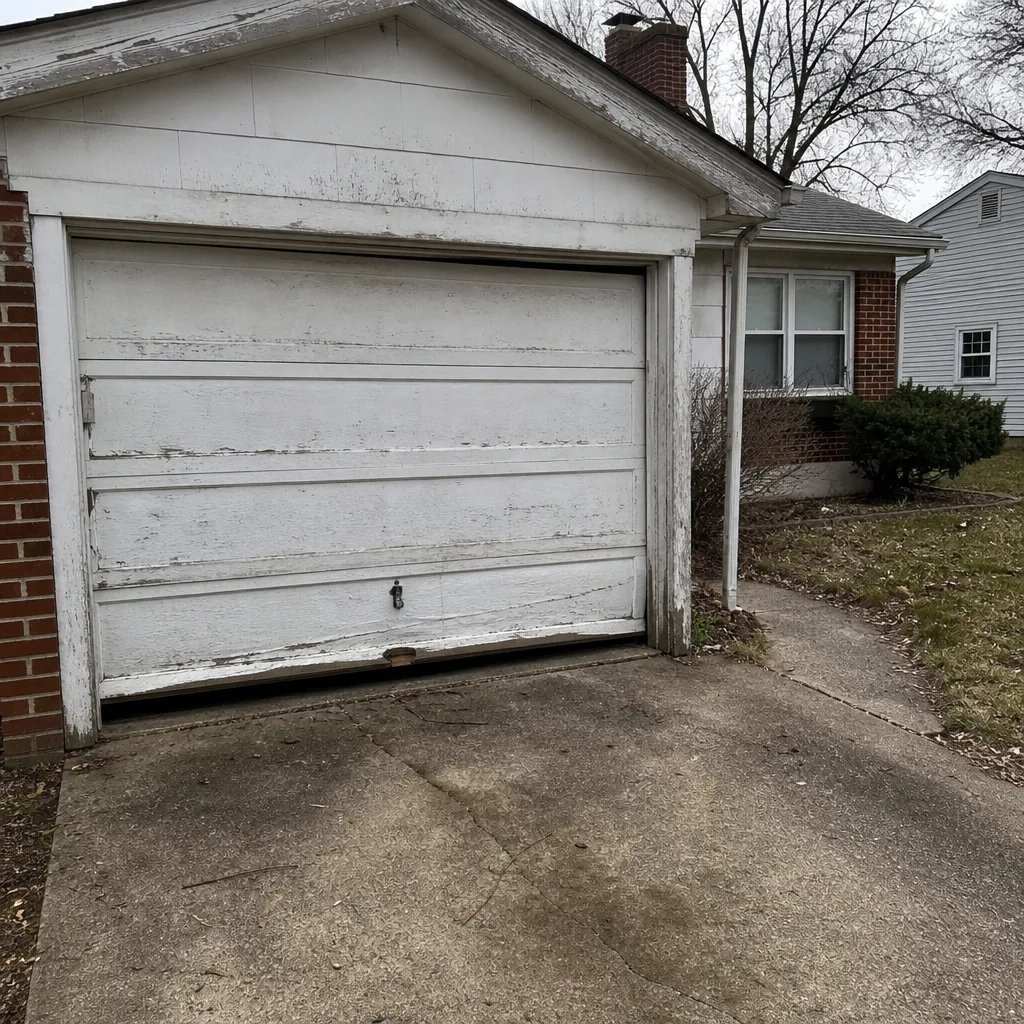 Before
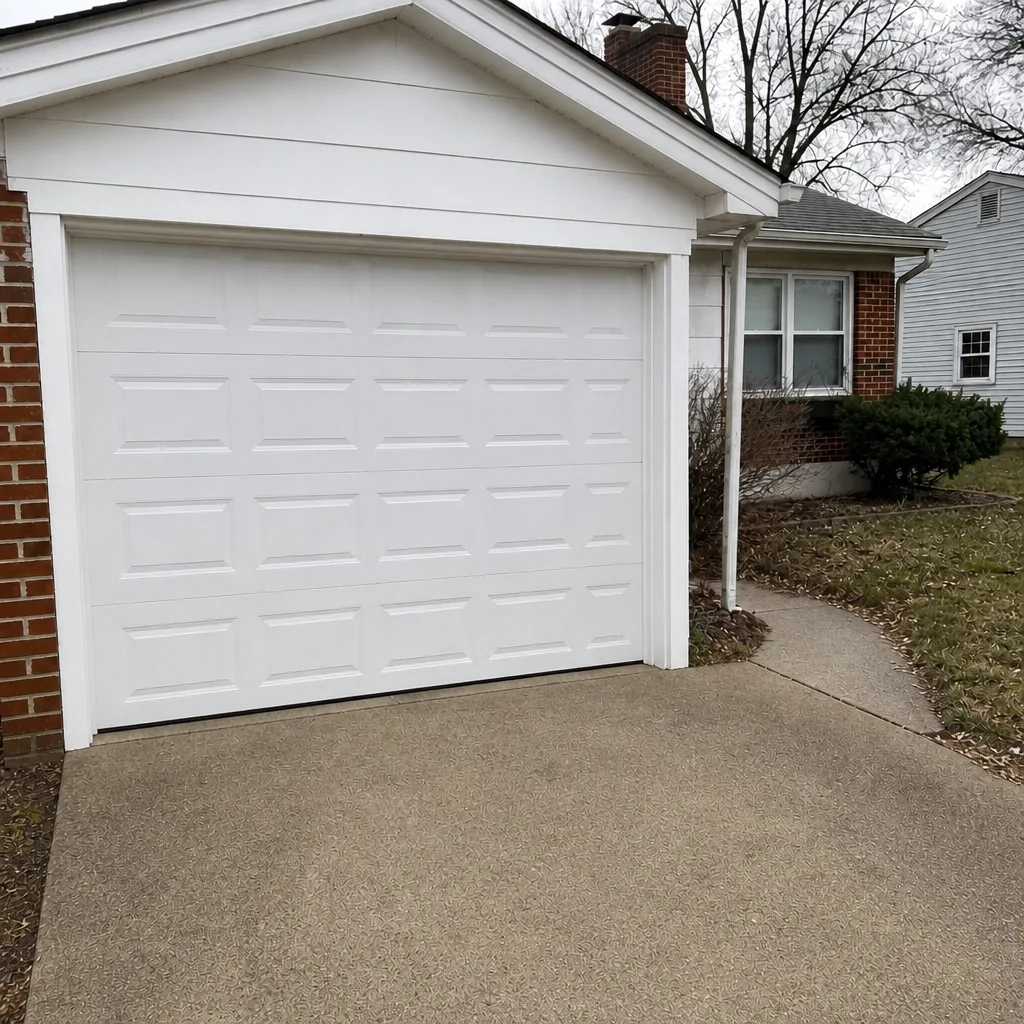 After
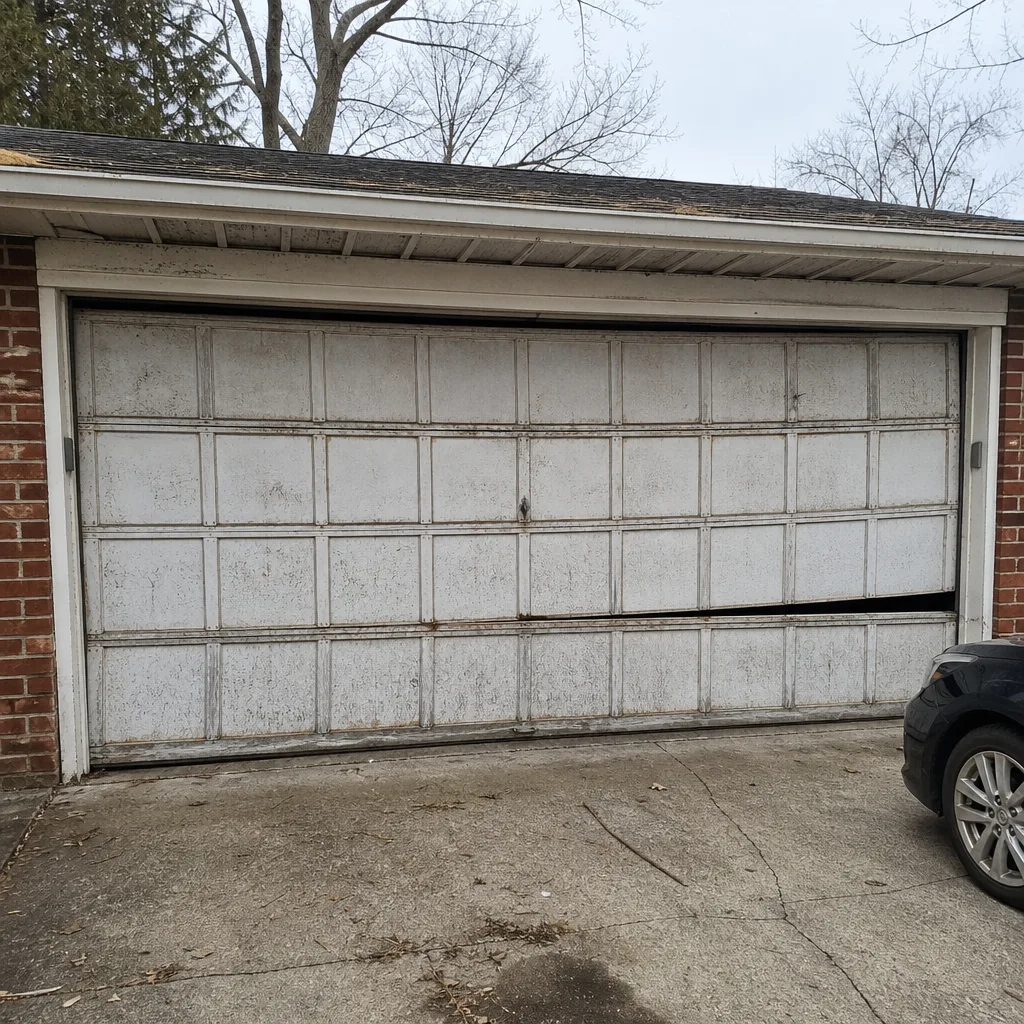 Before
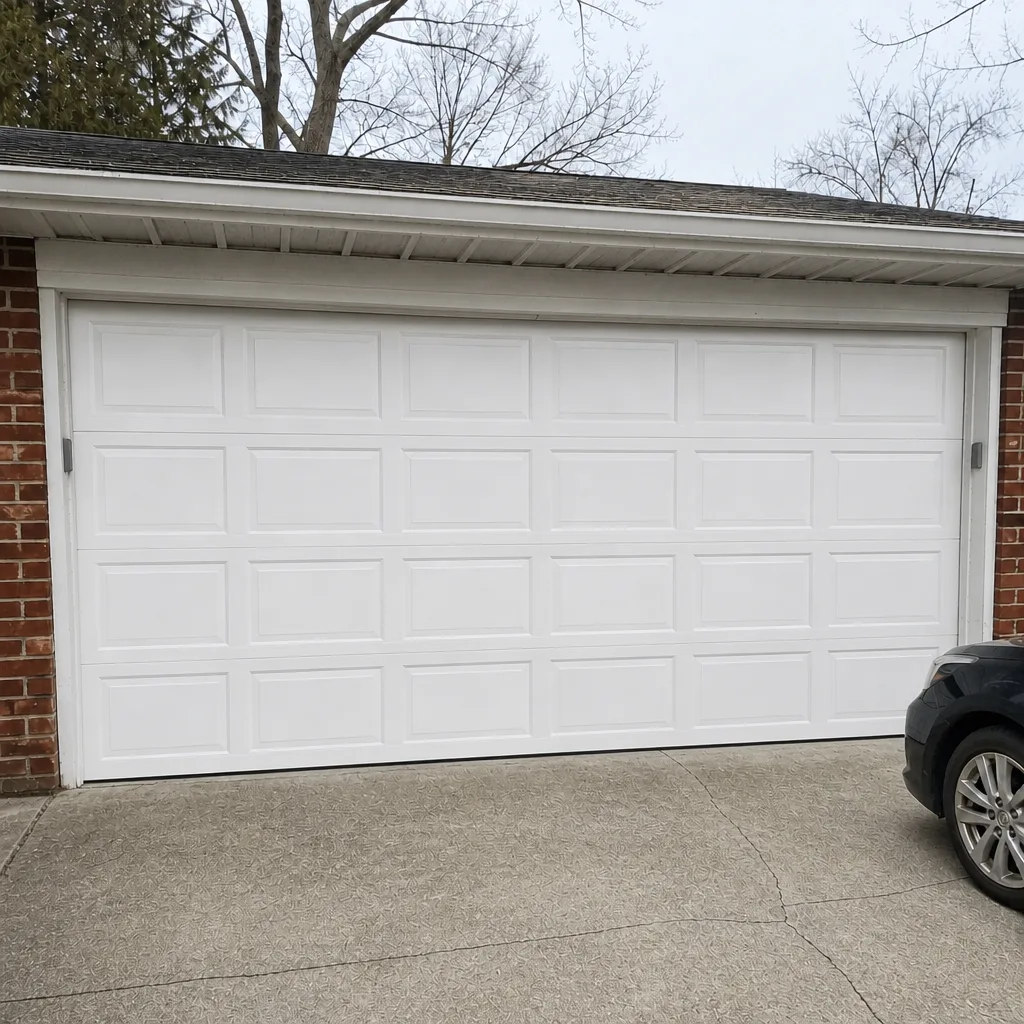 After
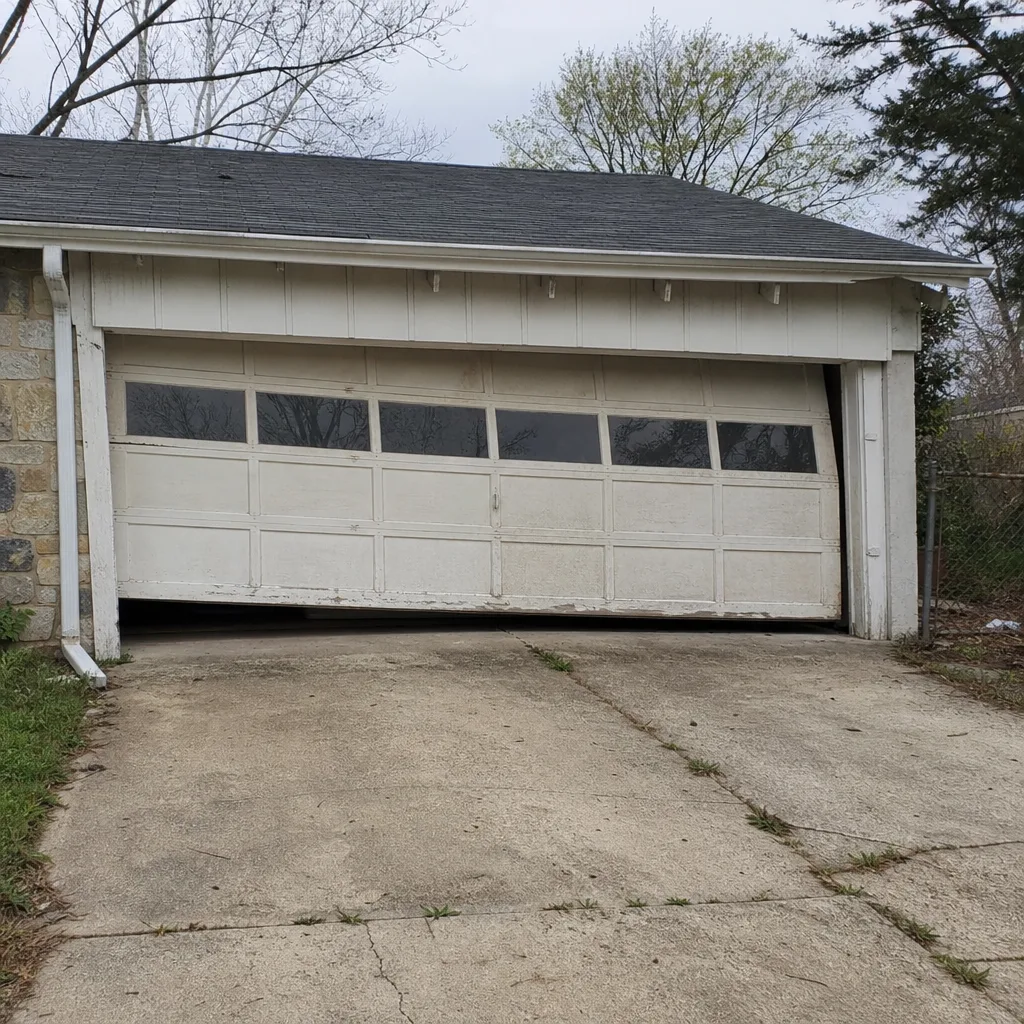 Before
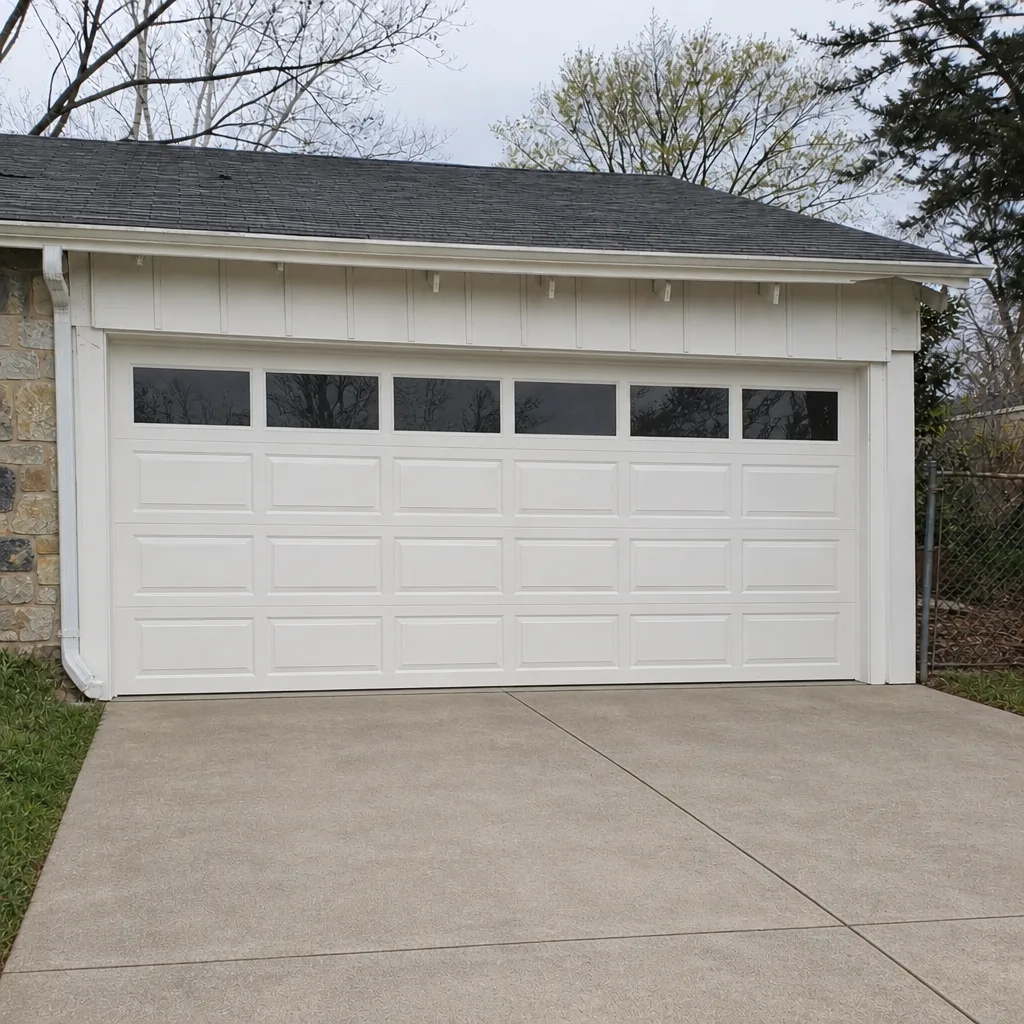 After
When to Call a Professional
Some garage door problems are cosmetic or slow-developing and can wait for a regular appointment. Others are genuine hazards or security issues that need attention now. The difference matters for Belair-Edison homeowners who rely on their doors daily.
Call a professional right away when a spring breaks (you’ll usually hear a loud snap and the door becomes very heavy or won’t open), when a cable has snapped or come loose, when a door is hanging off its tracks, when the door won’t close fully and leaves your home unsecured, or when the opener is making grinding or straining noises that weren’t there before. These aren’t problems to troubleshoot yourself. Springs and cables are under high tension and can cause serious injury if handled without training. A qualified contractor will know how to release tension safely.
For non-emergency issues, like a noisy door, a slow opener, or a remote that needs reprogramming, you can schedule a regular appointment. But even then, a specialist will diagnose faster. Garage Door Repair Belair-Edison offers free estimates in Belair-Edison, and our technicians have up to 12 years of experience in this trade. Call (855) 337-1760. We answer 24/7. Fast dispatch from 7am to 7pm, Sunday through Friday.
Frequently Asked Questions
In Maryland, a garage door contractor needs a Home Improvement Contractor license through the Maryland Home Improvement Commission (MHIC), which is part of the Maryland Department of Labor. You can verify any contractor’s license on the MHIC’s public database before you sign anything. There’s no separate “garage door contractor” license, so the MHIC license is the baseline check, not a guarantee of technical skill in garage doors specifically.
Ask three questions: what brand of door and opener is in your garage and how does it change the diagnosis, whether your door has torsion or extension springs, and whether they can itemize labor and parts separately. A specialist answers all three easily. A generalist will give vague answers like “we handle any brand” or “springs are springs.” If they can’t tell you the spring type from a description of your door, they’re not a specialist.
Often because they’re quoting a lower grade of parts, like a standard residential spring instead of a heavy-cycle one, or because the price doesn’t include everything you’d assume. Ask about spring cycle ratings and whether labor is itemized before you compare prices. A quote that’s far below the others in Belair-Edison is worth questioning, and a real specialist will explain the difference rather than just undercut the competition.
A written garage door estimate should include the business name and MHIC license number, a clear description of the problem and proposed fix, parts and labor itemized separately, spring cycle ratings if springs are involved, disposal and cleanup if old parts are removed, a stated total, and whether the price is fixed or subject to change. Both parties should sign and date it. If it only says “repair door: $X,” that’s not an estimate you can hold anyone to.
Most doors with two springs should have both replaced at the same time, because a matched pair wears at the same rate. Replacing only one spring often means the other fails soon after, and the door may not balance correctly. Our technicians will tell you which makes sense for your door, and a written estimate should state clearly whether the price is for one spring or a pair.
No. Garage door springs, especially torsion springs, are under high tension and can cause serious injury if the tension isn’t released properly. This is the one repair homeowners should never attempt themselves. A trained technician with the right tools and experience should handle anything involving springs or cables, and a good contractor will say so clearly. Our technicians have up to 12 years of experience with this specific work. Call (855) 337-1760 for a free estimate.
Not all of them, so it’s worth asking up front. A free estimate lets you compare quotes without paying for the privilege, and it’s a reasonable thing to expect. If a contractor wants to charge for a quote, ask what it includes. Some do, but many don’t, and it’s worth comparing.
Look at what’s actually being fixed versus what’s being replaced. A repair quote should cover the specific failed part. A replacement quote should include the new door, labor, and disposal of the old one. If the repair is a single spring on an otherwise sound door, repair usually makes more sense. If the door has significant panel damage or the opener is failing and the door is near the end of its life, replacement can be the better value. Ask the contractor to explain the trade-off rather than push one answer.
The Bottom Line
The biggest hiring mistake Belair-Edison homeowners make isn’t choosing the wrong company. It’s not knowing the questions that separate a specialist from a generalist until it’s too late. Maryland’s MHIC license confirms you’re dealing with a legitimate business, but it doesn’t confirm garage door expertise. Ask the three questions in this guide, insist on an itemized written estimate before any work starts, compare parts and cycle ratings rather than just total prices, and treat safety warnings as a sign of a contractor who knows what they’re doing. Our technicians have up to 12 years of experience across the major brands. Call (855) 337-1760 for a free estimate. We answer 24/7. Fast dispatch from 7am to 7pm, Sunday through Friday.
Written by the team at Garage Door Repair Belair-Edison.