
Last updated November 21, 2026
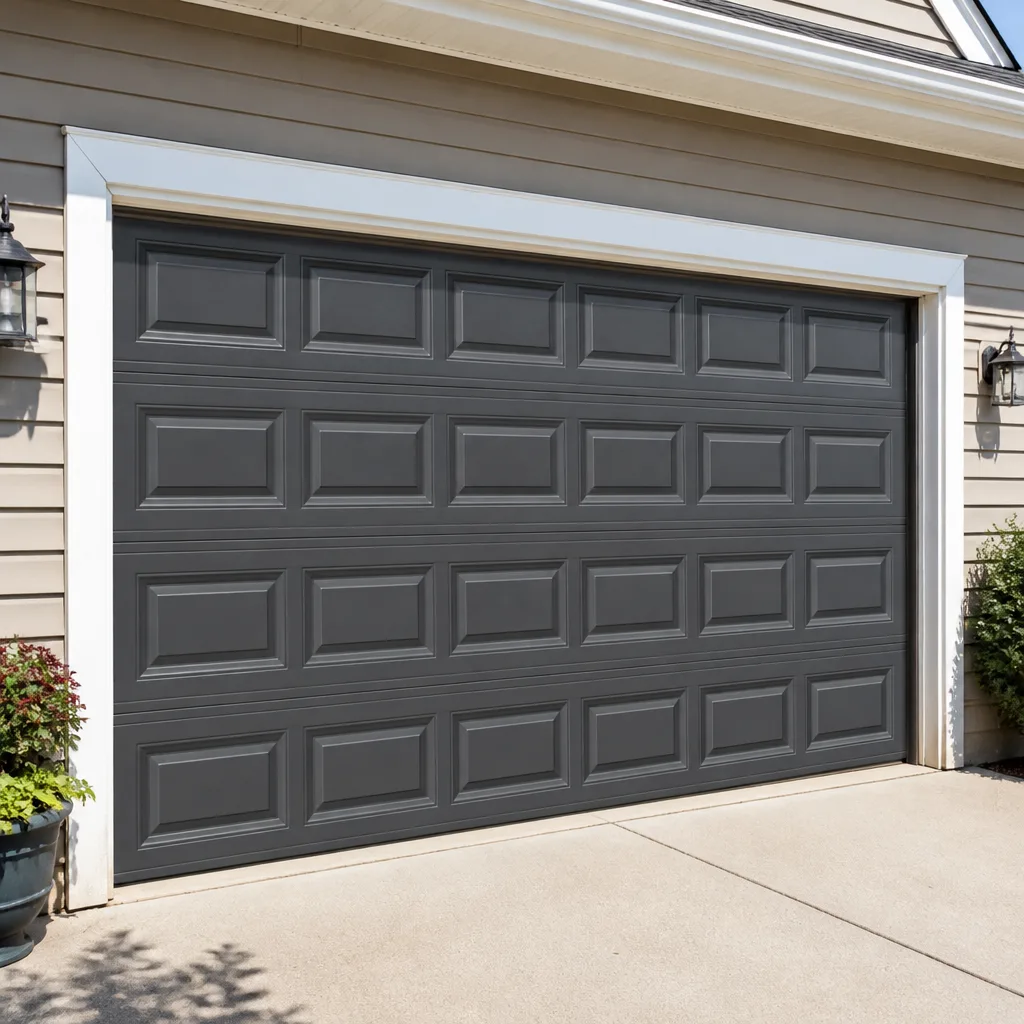 Raised-panel steel
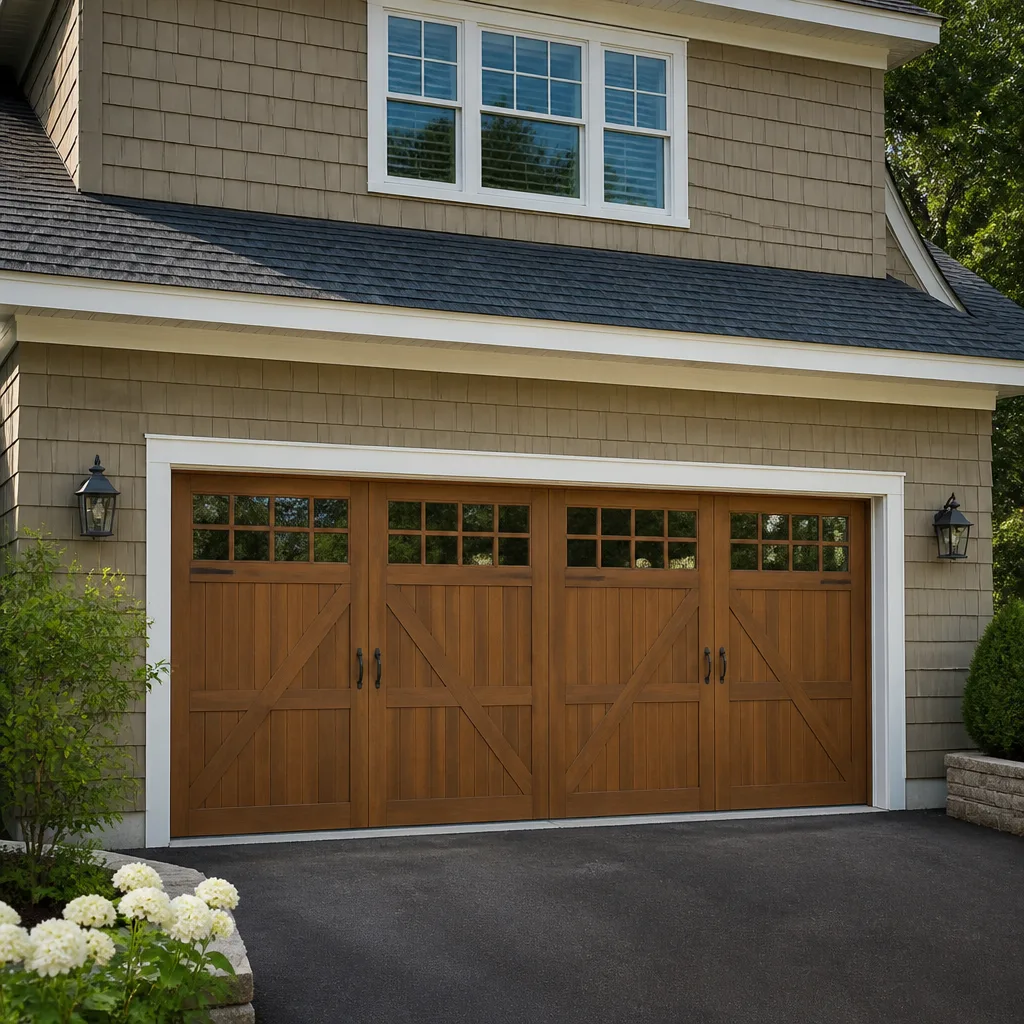 Carriage house
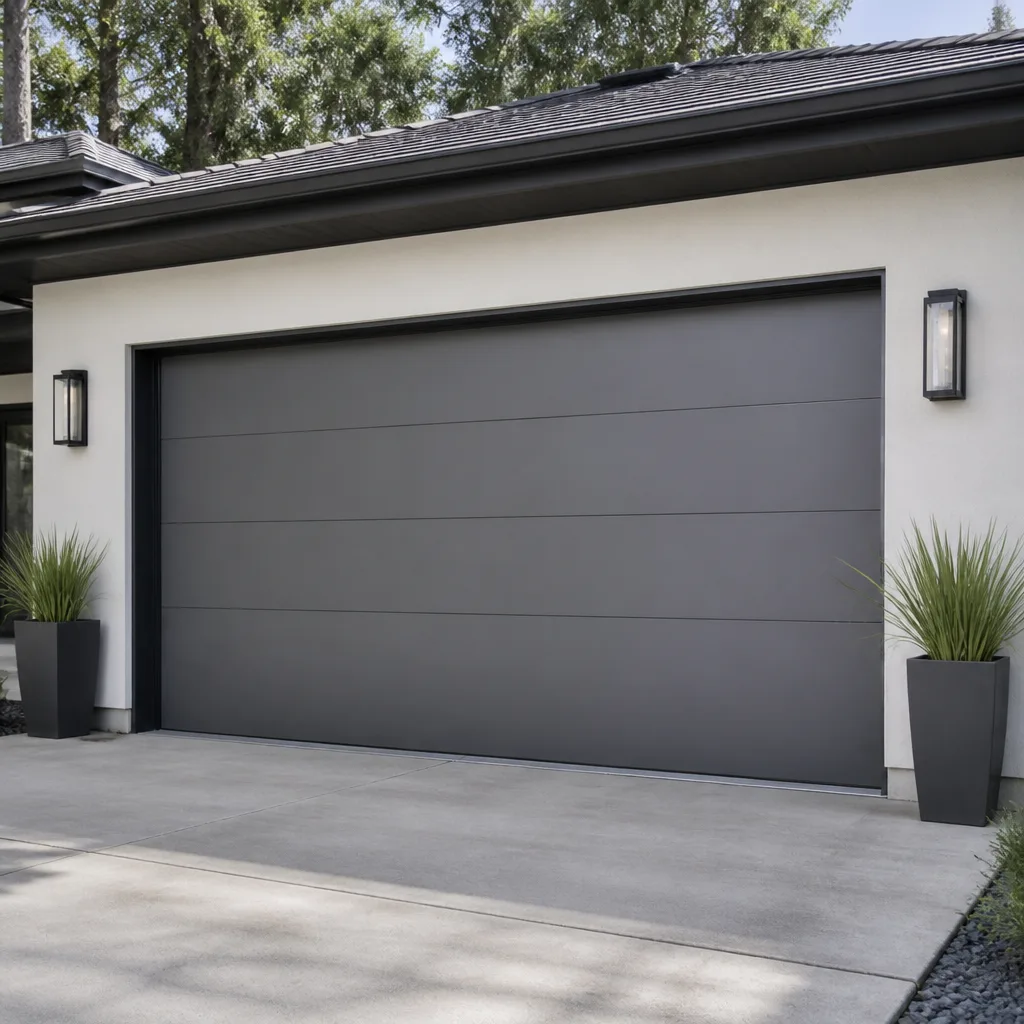 Modern flush
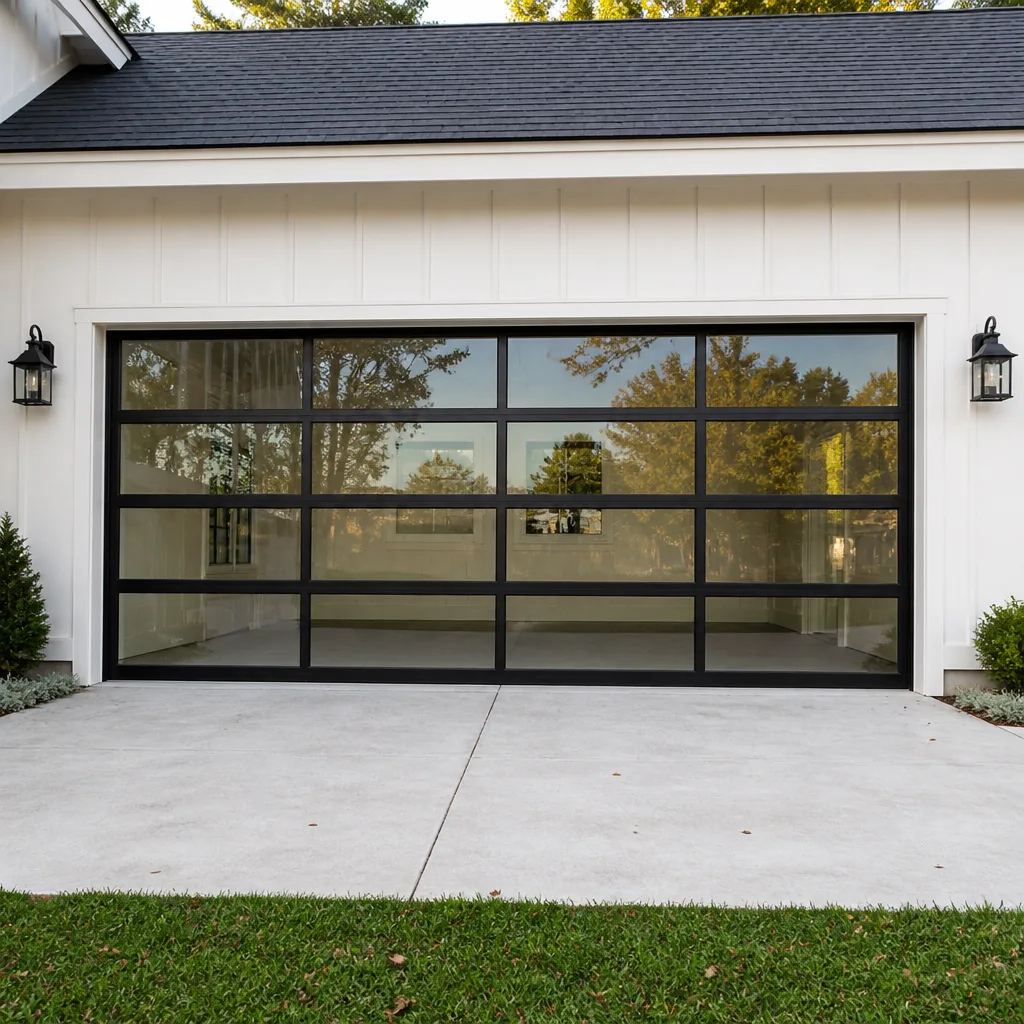 Full-view glass
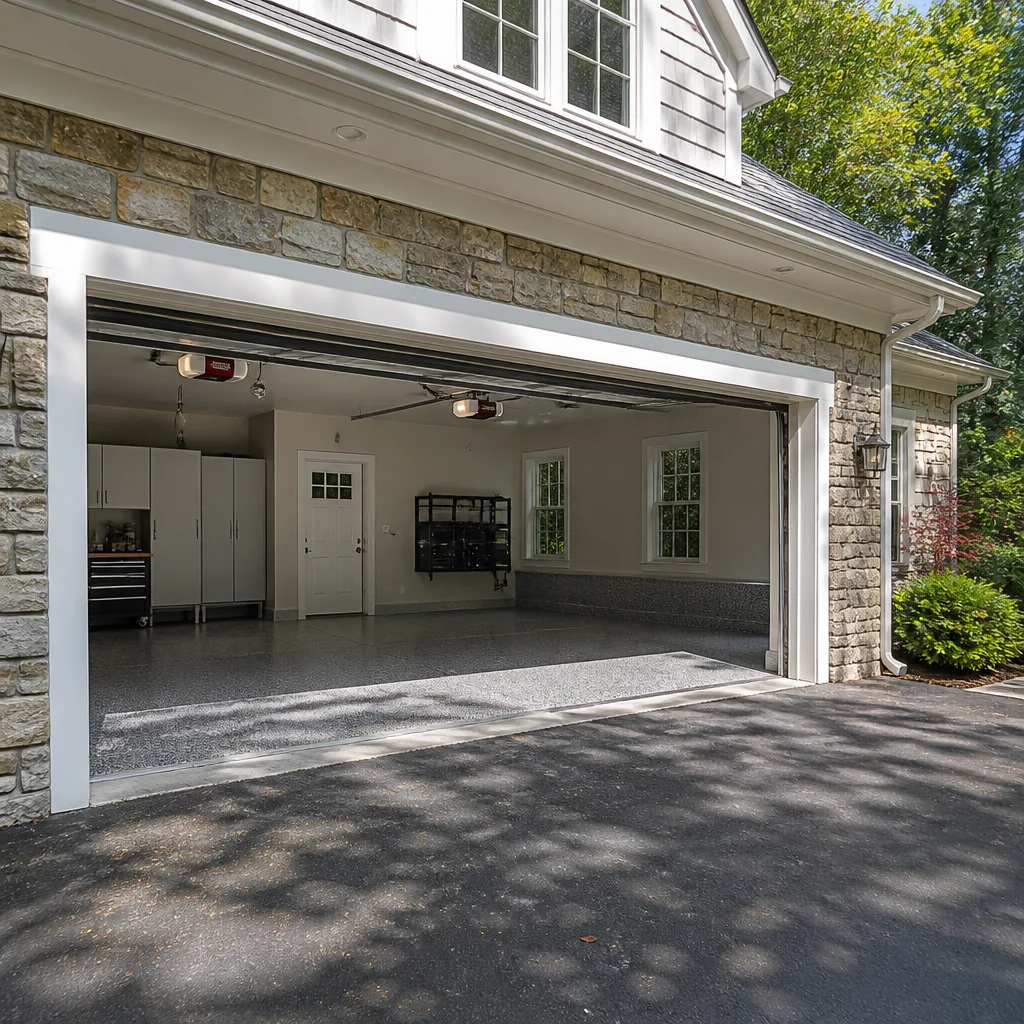 LiftMaster openers
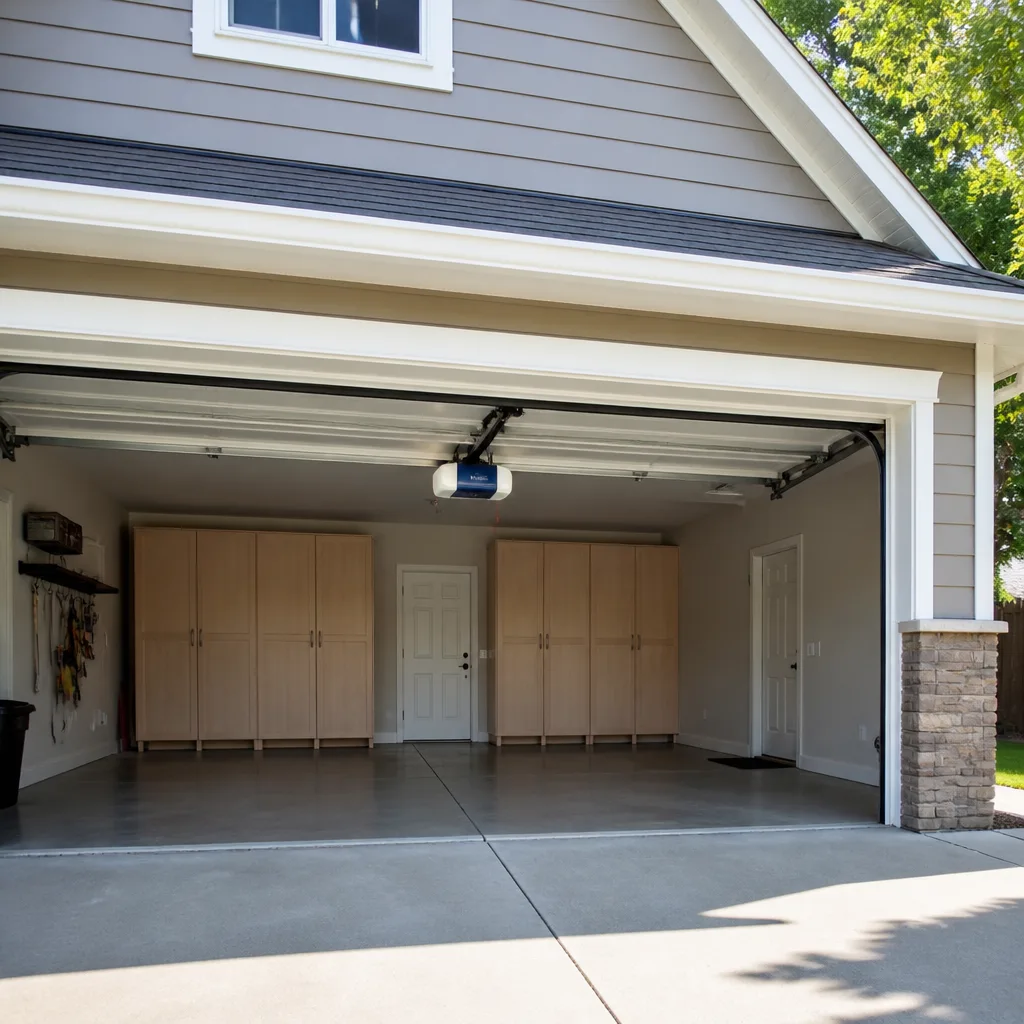 Chamberlain openers
Full 25-point door and opener safety check with every visit - springs, cables, rollers, tracks, and your LiftMaster or Chamberlain opener included
You get a price before we start. It does not change when the pro arrives.
Get your free estimateGarage Door Permits, Codes & Inspections in Belair-Edison, MD: What You Need to Know
The surprise usually arrives at the worst moment: a title search turns up a garage door replacement that was never permitted, and a closing that looked routine suddenly has a problem attached to it. Most homeowners in Belair-Edison assume two things that turn out to be wrong. First, that a garage door is too small a job to need a permit at all. Second, that Belair-Edison is Baltimore County. It isn’t. This guide clears both up: which office governs your address, when a permit is actually required under current Baltimore City rules, what an inspector looks at on an installation, and how an unpermitted door gets fixed if it’s already there.
Quick Answer
Belair-Edison sits inside Baltimore City, not Baltimore County, so residential garage door work here falls under the city’s permitting office and the Maryland building code the city enforces. A like-for-like garage door swap (same size, same opening, no structural change) is generally treated differently from a replacement that changes the opening or its framing, and the exact line between the two is something you confirm with the city’s building department before work starts. The permit itself is usually inexpensive; the expensive part is discovering years later that a permit was never pulled.
Styles & brands we work with
- Raised-panel steel
- Carriage house
- Modern flush
- Full-view glass
- LiftMaster openers
- Chamberlain openers
Table of Contents
- Which Jurisdiction Governs Belair-Edison?
- When Does a Garage Door Replacement Need a Permit?
- What Inspectors Actually Check on a Garage Door Installation
- How an Unpermitted Garage Door Shows Up in a Home Sale
- Who Pulls the Permit: Contractor or Homeowner?
- How the Permit Process Usually Runs, Step by Step
- Codes That Apply to Your Door and Opener
- What Permits and Inspections Typically Cost
Which Jurisdiction Governs Belair-Edison?
Belair-Edison is a Baltimore City neighborhood, and that single fact decides which office you deal with. The neighborhood sits in the northeast part of the city, bordered by Herring Run Park on one side and Erdman Avenue as a busy commercial spine on another. Its tree-lined streets of brick rowhouses are city addresses. Baltimore County begins a short drive away, and that proximity is exactly what causes confusion.
Here’s why the distinction matters for garage work. Baltimore City and Baltimore County each run their own permitting systems, with their own forms, their own fees and their own review steps. A contractor who works mostly in the county and files county paperwork for a city rowhouse has created a paper trail that doesn’t match the property. When that mismatch surfaces later, the homeowner is the one holding it.
A few practical points about the Belair-Edison setting:
- Rental density is high. Much of the neighborhood’s housing stock is owner-occupied rowhouses mixed with rentals, and landlords often inherit doors that were replaced under a previous owner with no documentation.
- The housing stock is older. Many garages and carports here sit behind or beside rowhouses built decades before insulated steel doors and torsion spring systems became standard, which means many openings have already been modified at least once.
- Detached and semi-detached garages exist. Not every door in Belair-Edison is on an attached rowhouse garage. Freestanding garages off rear alleys present their own framing and header questions.
When you’re unsure, the safe move is a phone call to the city’s building department with your block address in hand. Ask them to confirm which office has jurisdiction and what they require for a garage door replacement at that address. It takes a few minutes and it settles the question completely. For anything about the door itself rather than the paperwork, our team handles Garage Door Repair Belair-Edison and can tell you what’s involved before you ever file.
When Does a Garage Door Replacement Need a Permit?
The honest answer is: it depends on what exactly is being replaced, and only the city can give you a definitive ruling for your property. What we can do is lay out the distinction clearly so you know which questions to ask. The dividing line usually comes down to whether the work is a true like-for-like swap or a change to the opening itself.
Work that generally does not require a permit is the routine swap: a door of the same size and type comes out, a door of the same size and type goes in, the tracks and brackets stay where they are, no framing moves, no structural member is altered. This is the most common installation in Belair-Edison, and it’s what most homeowners picture.
Work that generally does require a permit and inspection is anything that touches the structure or changes the opening. That includes:
- Widening or shortening the opening
- Replacing or modifying the header above the opening
- Changing the type of door in a way that changes loads on the framing (a heavy carriage-style door replacing a light panel door, for example)
- Converting a carport or an enclosed structure into a garage
- Adding a garage door to a wall that previously had none
- Structural repairs to jambs, framing or the wall around the opening
A practical test: if a door comes out and a door goes back in and nothing about the wood, steel or concrete around it changes, you’re probably in the first category. If any part of the structure opens, closes, widens or shifts, you’re probably in the second. A permit decision made on that basis is still worth confirming with the city, because a mismatched permit is a much harder problem than a needless one.
A lot rides on the answer, and it’s one reason we’re always careful to ask what’s actually changing before a project begins. Our garage door installation work starts with a measure and a written scope that says plainly whether the opening is being altered. If it is, that’s your flag to talk to the city.
What Inspectors Actually Check on a Garage Door Installation
If your job does require a permit, the inspection is not a rubber stamp. The inspector comes out to verify that the finished installation is safe and meets code, and what they look at falls into a few consistent categories. Knowing them ahead of time removes most of the anxiety from the process.
- Opener safety reversal. The garage door opener must reverse when it meets an obstruction. The inspector tests this directly, often with a block of wood under the closing door. A door that fails this test has a genuinely dangerous feature: an opener that will keep pressing down on a person or pet.
- Photoelectric sensor alignment and height. The safety sensors at the bottom of the tracks must be mounted at the correct height and must be aligned so the beam is not blocked. The inspector will break the beam with a hand or a tool and confirm the door reverses.
- Spring containment. A torsion spring that fails under pressure releases a great deal of energy. Code requires the spring assembly to be restrained, which is why you’ll see containment hardware on modern torsion systems and why old open spring setups get flagged. The inspector checks that the containment is present and correctly installed.
- Header anchoring and attachment. The door’s tracks and opener rail attach to a header and surrounding framing. The inspector checks that anchors are secure and that the attachment points can carry the load the door puts on them.
- Manual release function. The emergency release must be reachable and must actually disconnect the opener from the door. If it doesn’t, the door can’t be opened by hand in a power outage.
- Door balance. A door that won’t stay put when lifted halfway is out of balance. That’s a load the opener shouldn’t be carrying, and inspectors will note it.
Notice that the list is almost entirely about safety and structural attachment, not aesthetics. The inspector isn’t grading your design choices. They’re confirming the door can’t hurt someone and won’t pull itself out of the wall. Belair-Edison’s older rowhouse garages sometimes need extra attention on header anchoring because decades of paint, patched framing and prior modifications can hide weak attachment points. That’s the kind of thing a proper installation sorts out before the inspector arrives. If you’re already having opener trouble on an existing door, our garage door opener repair service covers the safety reversal and sensor work that inspections focus on.
How an Unpermitted Garage Door Shows Up in a Home Sale
Here’s the scenario we see most often: a homeowner in Belair-Edison lists a rowhouse, the buyer’s agent orders a title search, and something about the garage comes back showing work that was never permitted or was never signed off. The buyer’s inspector usually catches it too. The title company flags it. Suddenly you have a closing contingency you didn’t plan for, in the middle of a transaction where every day costs money and attention.
Why does it come up at all? Permits create a public record. When a permit is pulled and closed, everyone knows the work was reviewed. When a permit isn’t pulled for a job that needed one, there’s an absence of record where there should be one. That absence is what shows up. A door replacement done twenty years ago can surface during a title search just as readily as one done last year, because the missing paperwork doesn’t age out.
Remediation usually involves a few steps:
- An as-built or after-the-fact permit application. The city’s building department handles these, and they typically require documentation of what was installed and a re-inspection of the work.
- A physical inspection. The same safety items get checked: opener reversal, sensor alignment, spring containment and header anchoring. If the installation was done properly, it usually passes.
- Corrective work, if needed. Where an inspection finds a real safety gap, it gets corrected before the permit can close. This can include replacing old non-containment springs, correcting sensor height, or re-anchoring a track that was attached with too little hardware.
- Closing the permit. Once the inspection passes, the permit is closed and the record exists. The transaction proceeds without the flag.
The frustrating part is that the fix is usually smaller than the problem it causes. A homeowner dealing with this during a sale has a short timeline and a buyer’s inspector watching every step. A homeowner who pulls a permit on the front end has already handled it. For the repair side of a door that’s failing an inspection check, our garage door repair team works with what’s already installed and can get a safety issue corrected and documented.
Who Pulls the Permit: Contractor or Homeowner?
In practice, the person doing the work is the person who pulls the permit, and for a garage door installation that’s almost always the installing contractor. But “in practice” and “legally liable” are two different things, and the homeowner should understand the difference clearly.
The permit is tied to the address, not to the person who filed the paper. When an unpermitted installation surfaces, the record shows the property, and the property owner is the party the city will contact. That’s why it’s worth confirming in writing that a permit has been pulled and that the permit is visible to you before work starts.
Some practical steps when you hire a garage door replacement in Belair-Edison:
- Ask, in writing, whether a permit is required for your job. A good contractor knows the threshold and knows which jurisdiction your address falls under. A contractor who can’t tell you whether Belair-Edison is city or county is a warning sign.
- Ask who is pulling the permit. If the answer is “we are,” ask for the permit number once it’s issued and keep it with your home records.
- Confirm the final inspection happens. A permit that’s never closed is only half a permit. The inspector’s sign-off on the completed work is the actual protection here.
- Keep the paper trail. Permit records belong in your home file alongside your appliance paperwork. A future buyer will ask for them, and their agent will ask for them.
- Ask for the written scope. The scope should state exactly what’s being replaced and whether the opening is changing. That’s the same document the permit office will ask about.
We’re clear on this when a project is quoted. The written estimate states the scope, the price, and whether the work involves a permit, so there’s no ambiguity later. Our technicians have up to 12 years of experience in this trade, and we’ve seen both sides of this: the clean paperwork and the escrow problem. The clean route is much less expensive to live through.
How the Permit Process Usually Runs, Step by Step
If you’ve never pulled a construction permit, the process sounds more intimidating than it is. Here’s the shape of it for a typical residential garage door project in Belair-Edison. Exact steps and forms vary by office, so treat this as the general flow and confirm the details with the city’s building department.
- Determine the scope in writing. Same size, same opening, same hardware locations, or a change to the opening? The answer decides whether you’re pulling a permit.
- Confirm with the city which office has jurisdiction. Here, that means the Baltimore City building department, because Belair-Edison is a city neighborhood.
- Submit the permit application. The installer typically files it, along with a description of the proposed work and any drawings the office requires. For a straightforward replacement, this is usually a short submission.
- Pay the permit fee. Residential garage permits are modest. The final cost depends on the scope, and the office will quote it.
- Install the door. With a permit on file, the install can go forward. The install itself is where the safety details (spring containment, opener reversal, sensor mounting, header anchoring) get built in.
- Call for the inspection. Once the door is installed, the installer or owner requests the final inspection. The inspector verifies the safety items listed earlier.
- Close the permit. When the inspection passes, the permit closes and the record is complete. Keep the final documentation.
The two most common places homeowners get tripped up are step one (calling it a like-for-like swap when it isn’t) and step six (forgetting to call for the inspection). Both are easy to avoid. Both are worth avoiding.
Codes That Apply to Your Door and Opener
The code follows the same base standard in Belair-Edison as it does across the region, but what matters for an inspection is how the standard is applied to the actual installation. The categories the inspector cares about don’t change from one brand to the next, even though the install details do.
Safety reverse and sensors. Every residential garage door opener installed today has to reverse when resistance is met, and has to have photoelectric sensors at the bottom of the door. Older openers that only reverse on pressure, without sensors, don’t meet that bar. If you’re wondering whether your 2005-era opener needs replacing, this is the item to focus on.
Torsion spring containment. Modern torsion spring systems carry containment hardware to prevent the spring from launching through the ceiling if it breaks. Old open-spring arrangements don’t have this and are flagged. This is a safety issue, and it’s one of the reasons spring replacement is a job to entrust to a technician who works on springs specifically, not a general handyman.
Header anchoring. The tracks and opener rail have to anchor into framing that can carry the load. On an older rowhouse garage, that often means adding blocking or replacing substandard anchors before the door goes on. It’s the unglamorous part of the job that separates a proper install from a quick one.
Brand-specific installation details. Codes don’t name brands, but install sequences do. A LiftMaster opener runs its safety test differently from a Chamberlain or Genie unit. An Amarr or Wayne Dalton door specifies its own anchor points. A Craftsman opener from the 1990s has its own quirks when its force settings are set. Being familiar with the equipment that’s already in the garage is why a technician who knows the brand can spot trouble before the inspection does.
Emergency service matters here too. A garage door that fails closed is a security problem, and a door that fails open is a weather problem. When the door won’t cooperate, call (855) 337-1760. We answer 24/7. Fast dispatch from 7am to 7pm, Sunday through Friday.
What Permits and Inspections Typically Cost
A residential garage door permit in Baltimore City is usually a modest fee, typically well under $50 for a straightforward replacement, with the exact amount set by the city’s fee schedule. The installation cost is the larger number, and it varies with door size, insulation level and whether the opening needs work.
| Item | Typical range (estimate) | Notes |
|---|---|---|
| Residential garage door permit (Baltimore City) | Under $50 in most cases | Exact fee set by the city’s fee schedule |
| Single-car garage door replacement (like-for-like) | $900 – $1,800 | Door only, no structural change |
| Double-car garage door replacement (like-for-like) | $1,500 – $3,200 | Door only, no structural change |
| Opening modification or structural work | Quoted separately after measure | Scope and price agreed in writing first |
| Spring repair (one spring) | $180 – $340 | Matched pair usually replaced together, roughly twice this |
Those installation ranges are typical estimates, not quotes. The written estimate for your door sets the final price, and nothing starts until the scope and price are agreed. A job that requires a permit costs a little more overall than one that doesn’t, but the difference is small compared to the cost of sorting out an unpermitted installation later. If you want a written number for a replacement, call (855) 337-1760 for a free estimate.
Common Mistakes to Avoid
- Assuming Belair-Edison is Baltimore County. It’s Baltimore City. Filing the wrong jurisdiction’s paperwork creates a record that doesn’t match the property, and that discrepancy can sit dormant for years before it matters.
- Treating every replacement as “like for like.” A door that’s the same size but hangs differently, or a swap that widens the opening, isn’t a like-for-like job. If any part of the structure around the door changes, confirm the permit requirement with the city before work begins.
- Not confirming the permit in writing. A verbal “we’ll handle it” is not a permit. Get the permit number once it’s issued and keep it with your home records.
- Skipping the final inspection. An open permit can also flag during a title search. If the permit was pulled, make sure it’s closed.
- Letting an older opener ride. Openers installed before safety sensors became standard can fail an inspection on safety reversal alone. Replacing a safety-critical opener is cheaper than reopening a closed sale.
- Assuming the brand tells you everything. A door from Amarr, Wayne Dalton or Raynor has its own anchor requirements, and an installer who hasn’t worked on that specific line can miss them. Ask who’s actually installing the door you’re buying.
- Ignoring the springs. Old open-spring systems without containment get flagged in an inspection. If you’re already pulling a permit for other work, it’s the moment to correct the springs too.
See the difference
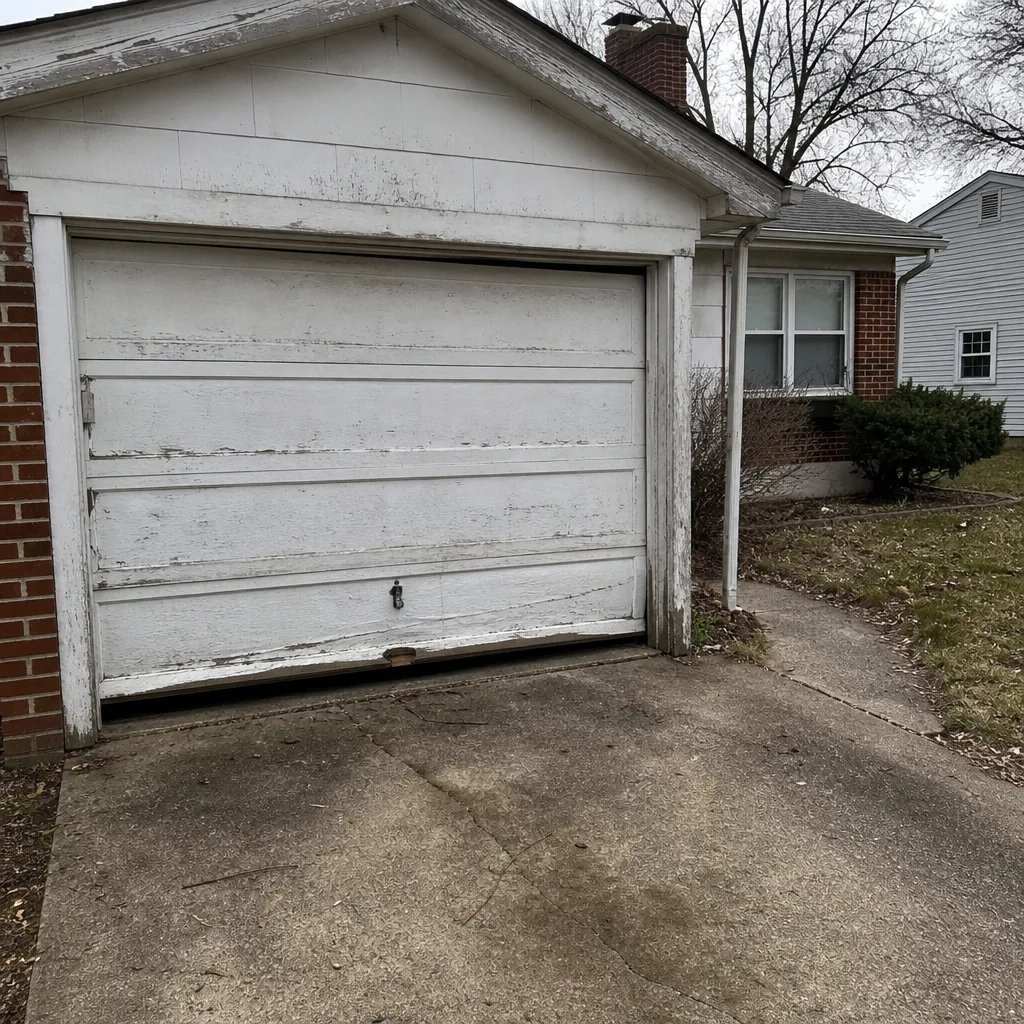 Before
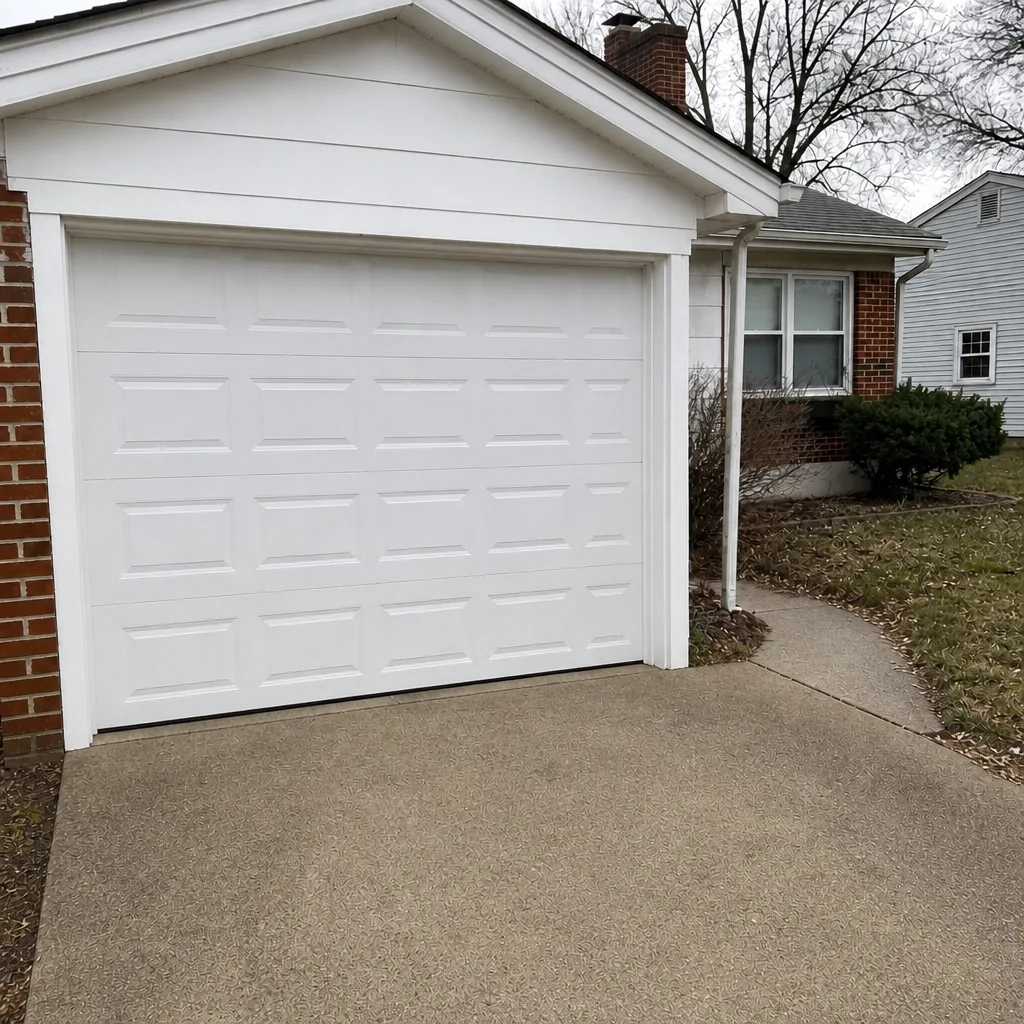 After
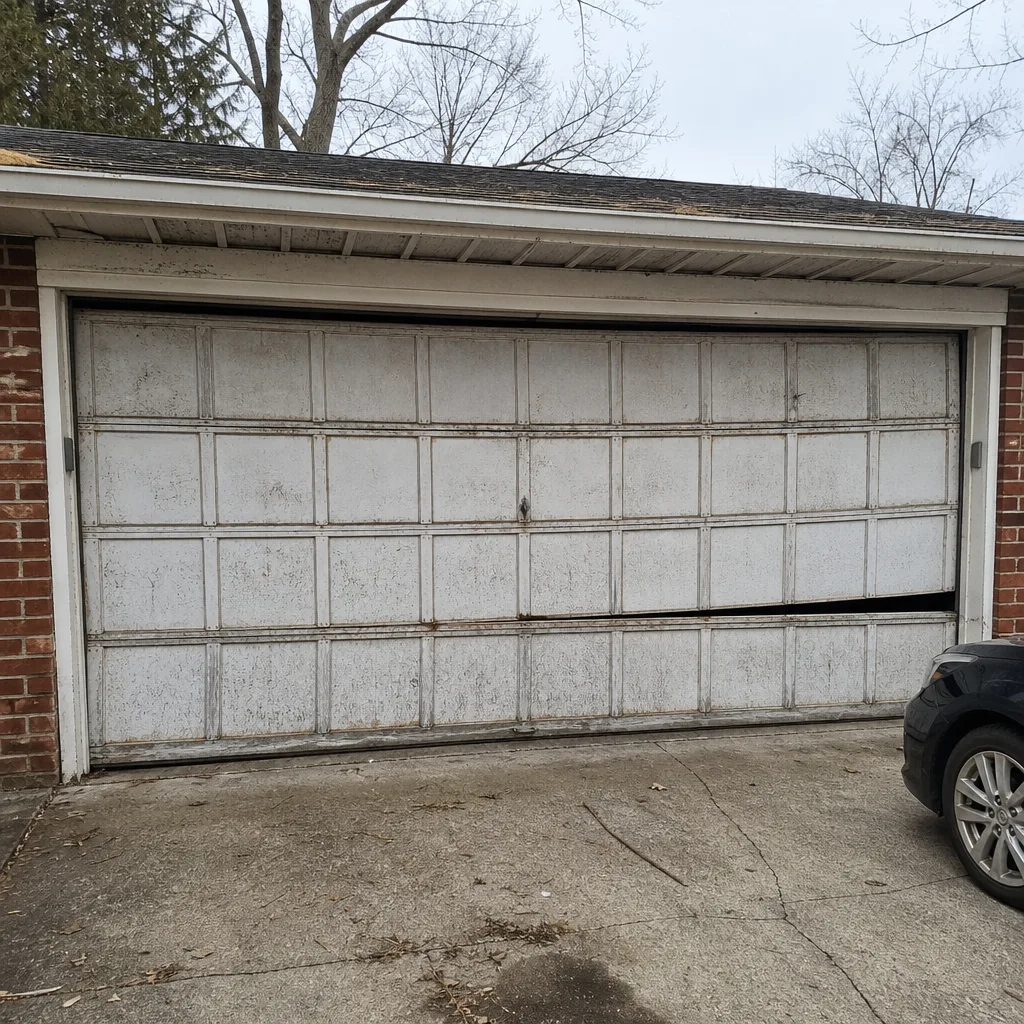 Before
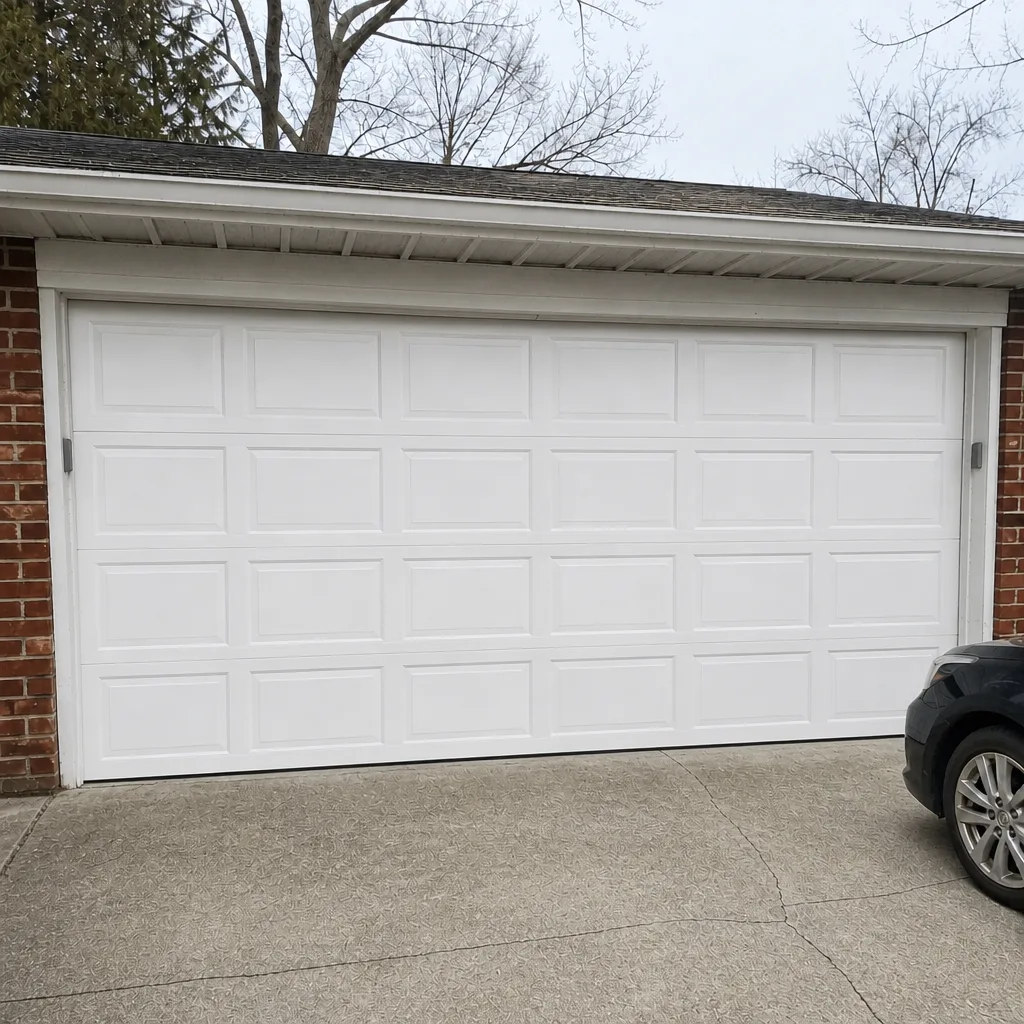 After
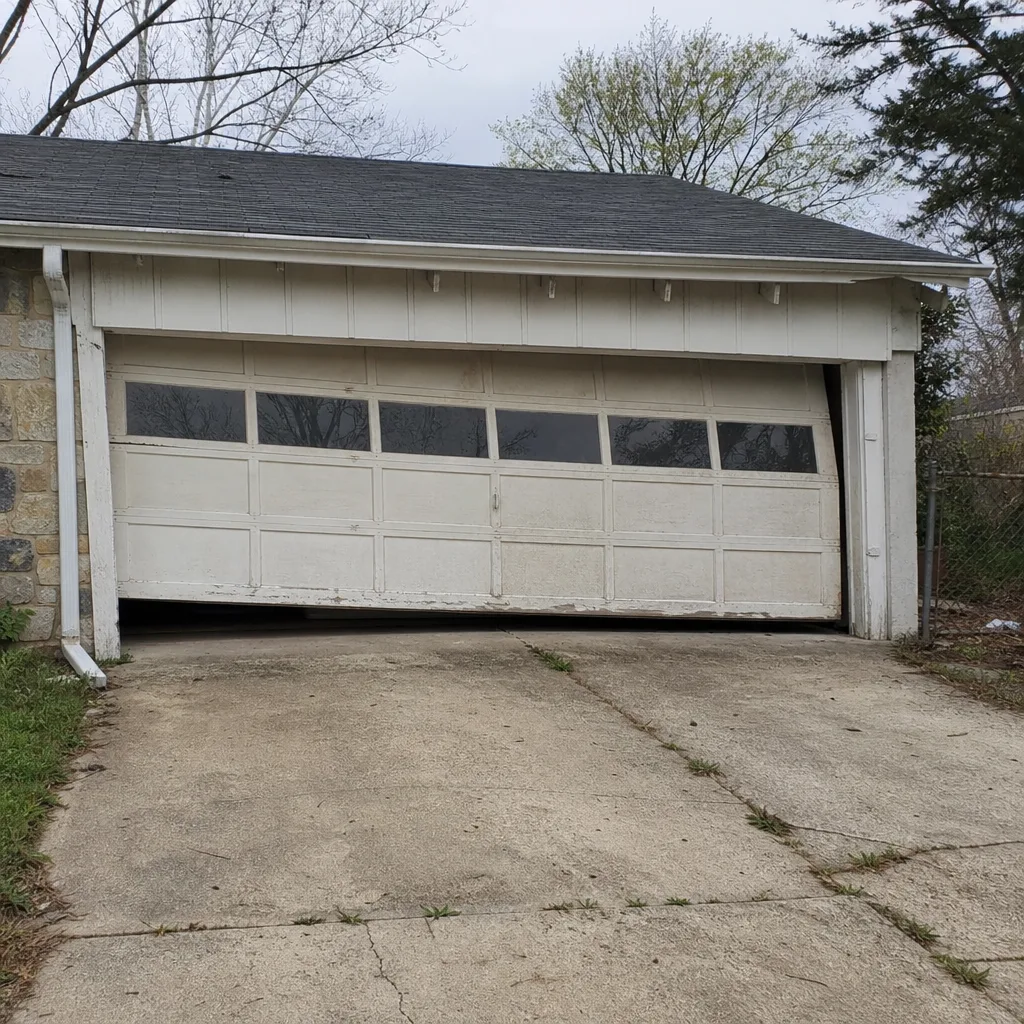 Before
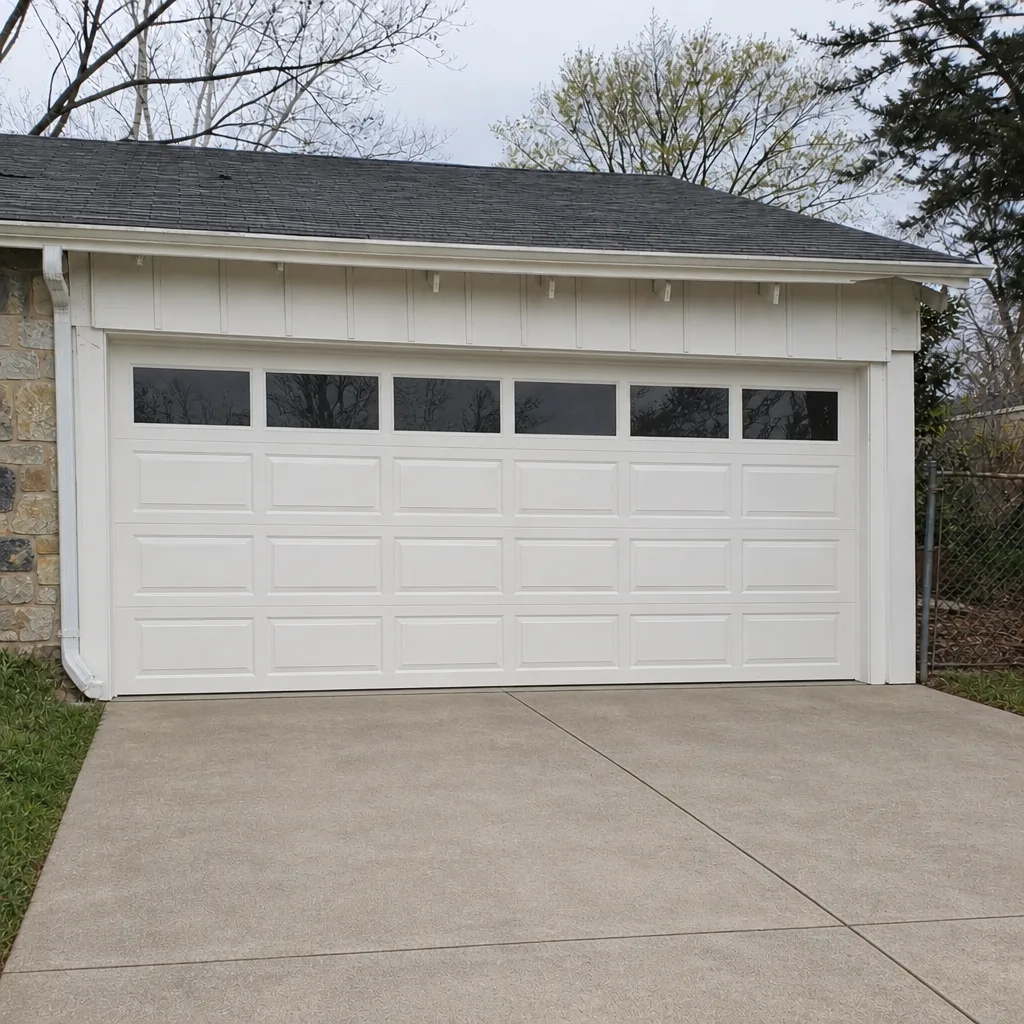 After
When to Call a Professional
Garage door work sits in a category where the safety stakes are real. High-tension springs and cables store a lot of energy, and an untrained hand on a torsion system is a genuine hazard. Same with opener safety reversal: a home test won’t catch a door that will fail an inspector’s block test. If you’re sorting out permit questions on an existing installation, or you’ve just been handed an inspection report that flags containment or anchoring, call a professional who works on the equipment already in your garage. Garage Door Repair Belair-Edison offers free estimates in Belair-Edison and works on LiftMaster, Chamberlain, Amarr, Wayne Dalton and other widely installed lines, so you’re not paying for someone to learn your door on your dime. Call (855) 337-1760 and we’ll give you a straight answer on scope, cost and whether a permit is needed.
Frequently Asked Questions
It depends on the scope. A like-for-like replacement (same size, same opening, no structural change) is generally treated differently from a job that modifies framing or changes the opening, and the exact threshold is something you confirm with the Baltimore City building department. Because Belair-Edison is a Baltimore City neighborhood, the city’s office governs your address. Call (855) 337-1760 for an exact quote on your replacement – estimates are free.
Belair-Edison is in Baltimore City. That’s the deciding fact for permitting: the city’s building department governs residential garage work at these addresses, not the county. Confirm the jurisdiction for your specific address with the city before you file anything. Call (855) 337-1760 if you want help working out what your scope involves.
An inspector checks the safety-critical parts of the install: opener safety reversal, photoelectric sensor alignment and height, torsion spring containment, header anchoring and attachment, manual release function, and door balance. It’s a safety and structural check, not a cosmetic one. If a flag comes up on your door, call (855) 337-1760 and the estimate for correcting it is free.
Typically under $50 for a straightforward residential replacement, with the exact amount set by the city’s fee schedule. The permit is usually the smallest line item in the project. For the installation cost that goes with it, call (855) 337-1760 for a free written estimate.
Often, yes. A title search can reveal the absence of a permit record for a replacement that needed one, and the buyer’s inspector frequently catches it too. Remediation is usually handled through an after-the-fact permit application and a re-inspection, which takes longer during a closing than before one. Call (855) 337-1760 if you need the physical work corrected to pass that inspection – estimates are free.
The property owner is the party the city contacts, because the permit is tied to the address. The installing contractor is typically responsible for pulling the permit, so having the permit confirmed in writing before work starts is the homeowner’s main protection. Call (855) 337-1760 to talk through your scope and what the paperwork should cover.
The Bottom Line
Belair-Edison is Baltimore City, so the city’s building department governs your garage door permit, not the county. Like-for-like replacements usually sit in a different category than work that changes the opening, and the exact line is one phone call to the city away. The inspection that follows a permitted installation is a safety check: opener reversal, sensor height, spring containment and header anchoring. An unpermitted door may not cost much to fix, but it surfaces at the worst possible moment, during escrow, when every day has a price. If you’re weighing a replacement, get a written scope and a straight answer on whether your job needs a permit.
For a free estimate on a replacement, a senior inspection issue or a door that’s simply failing its safety checks, call Garage Door Repair Belair-Edison at (855) 337-1760. We answer 24/7. Fast dispatch from 7am to 7pm, Sunday through Friday, and we’re closed on Saturday.
Written by the team at Garage Door Repair Belair-Edison.