
Last updated November 21, 2026
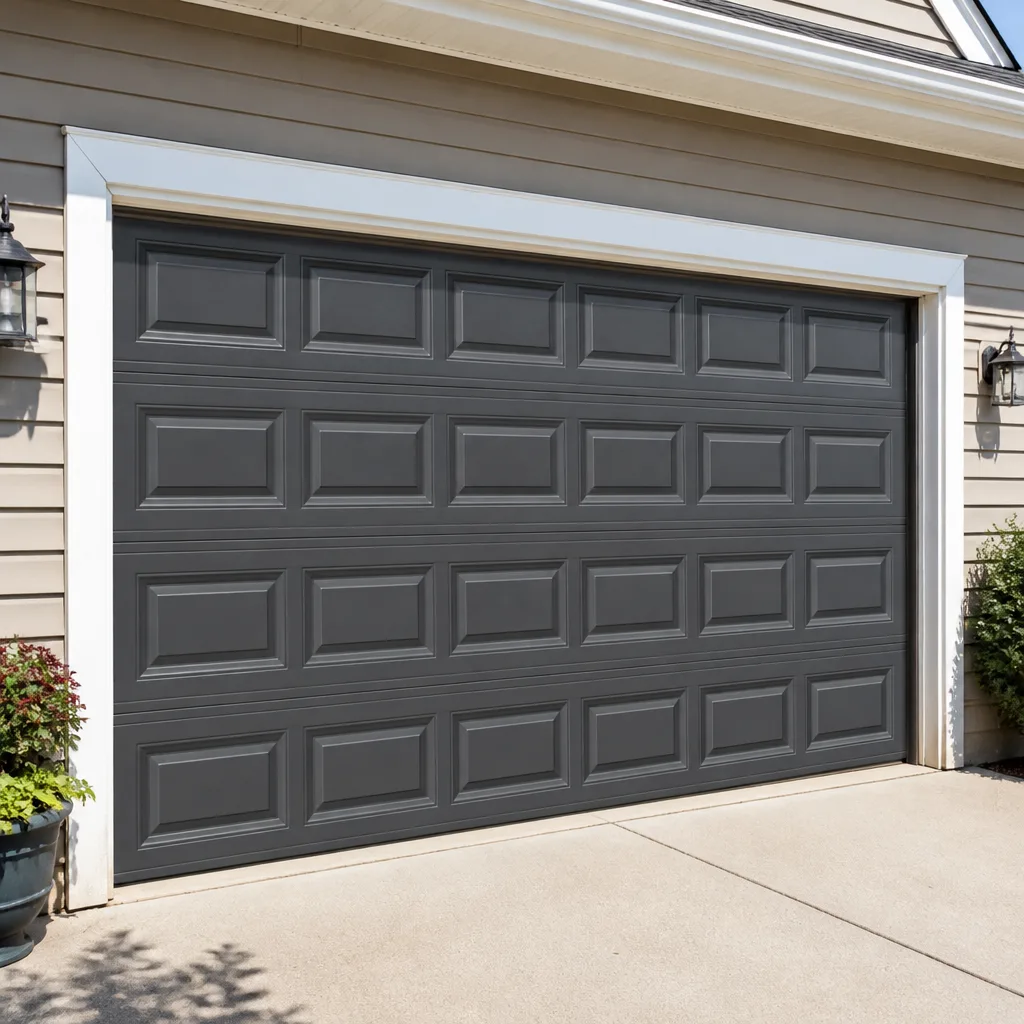 Raised-panel steel
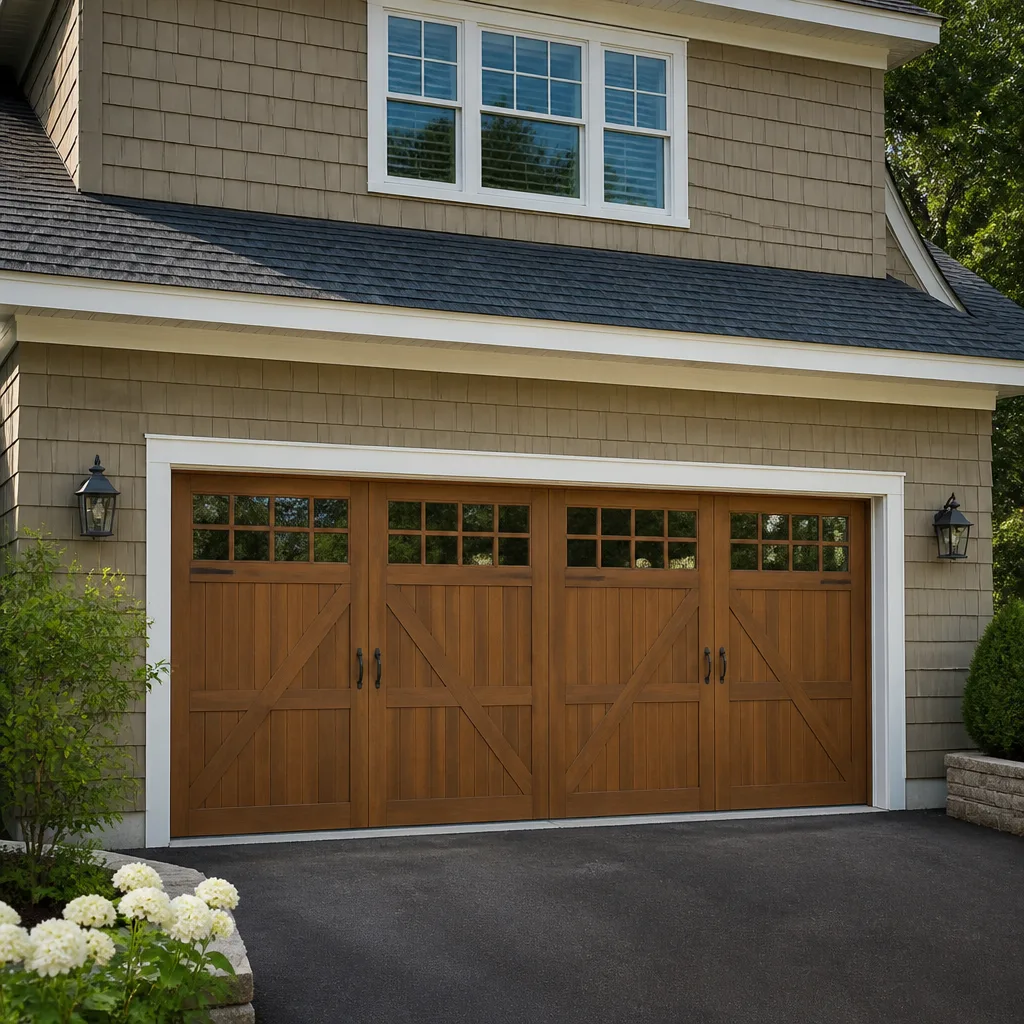 Carriage house
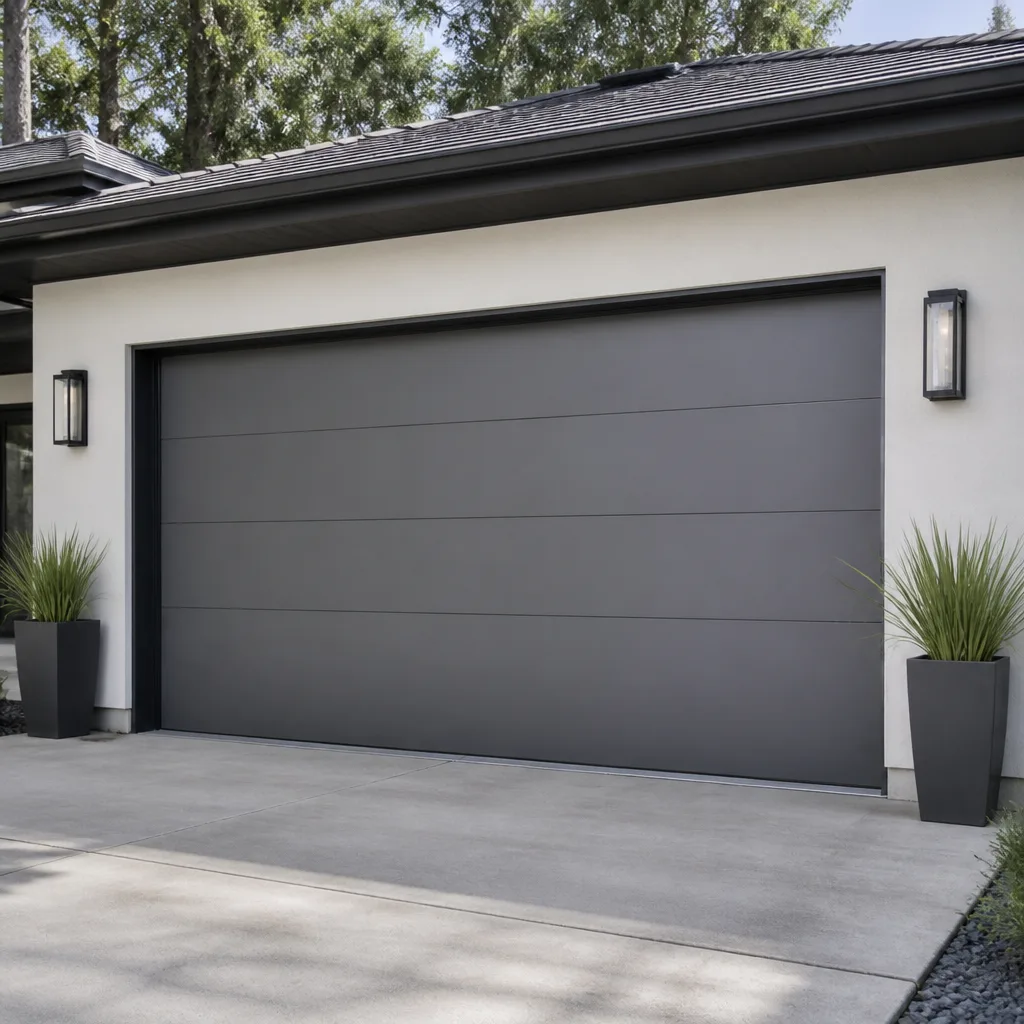 Modern flush
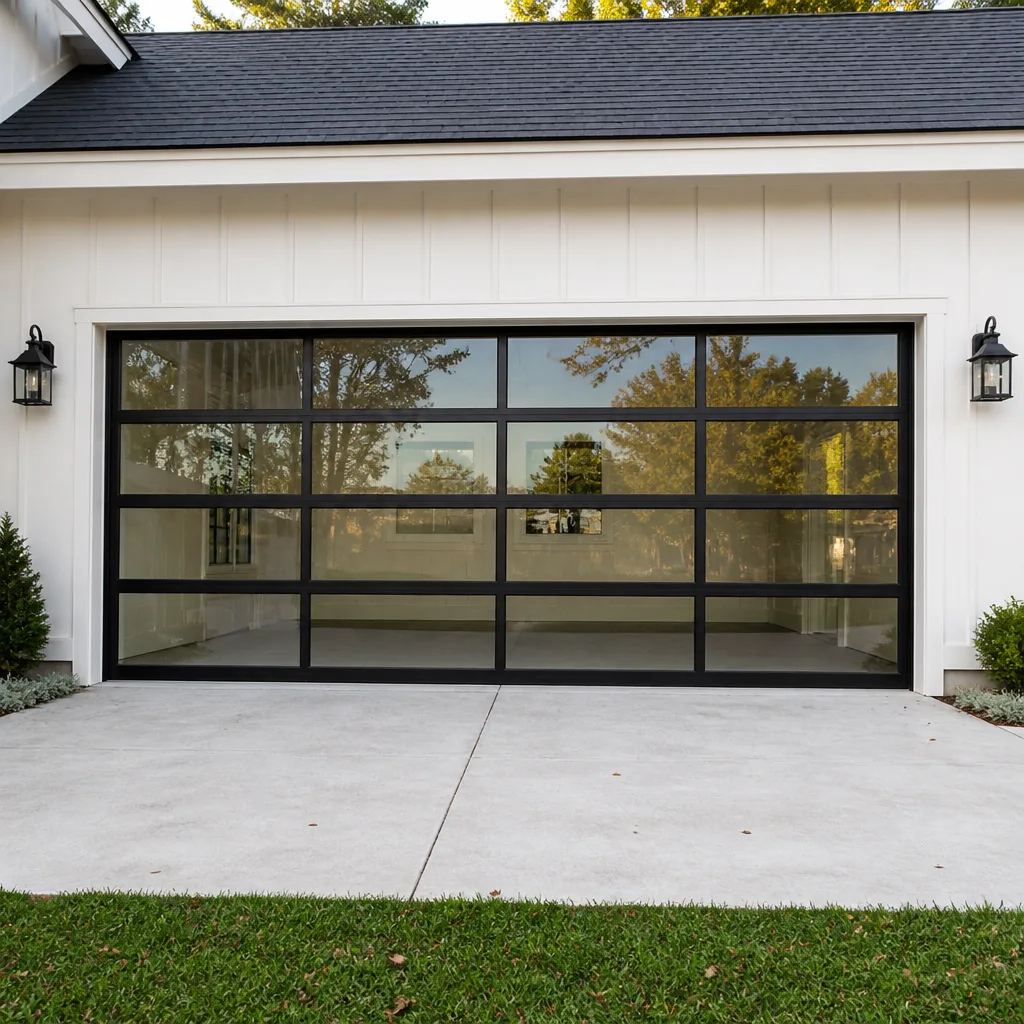 Full-view glass
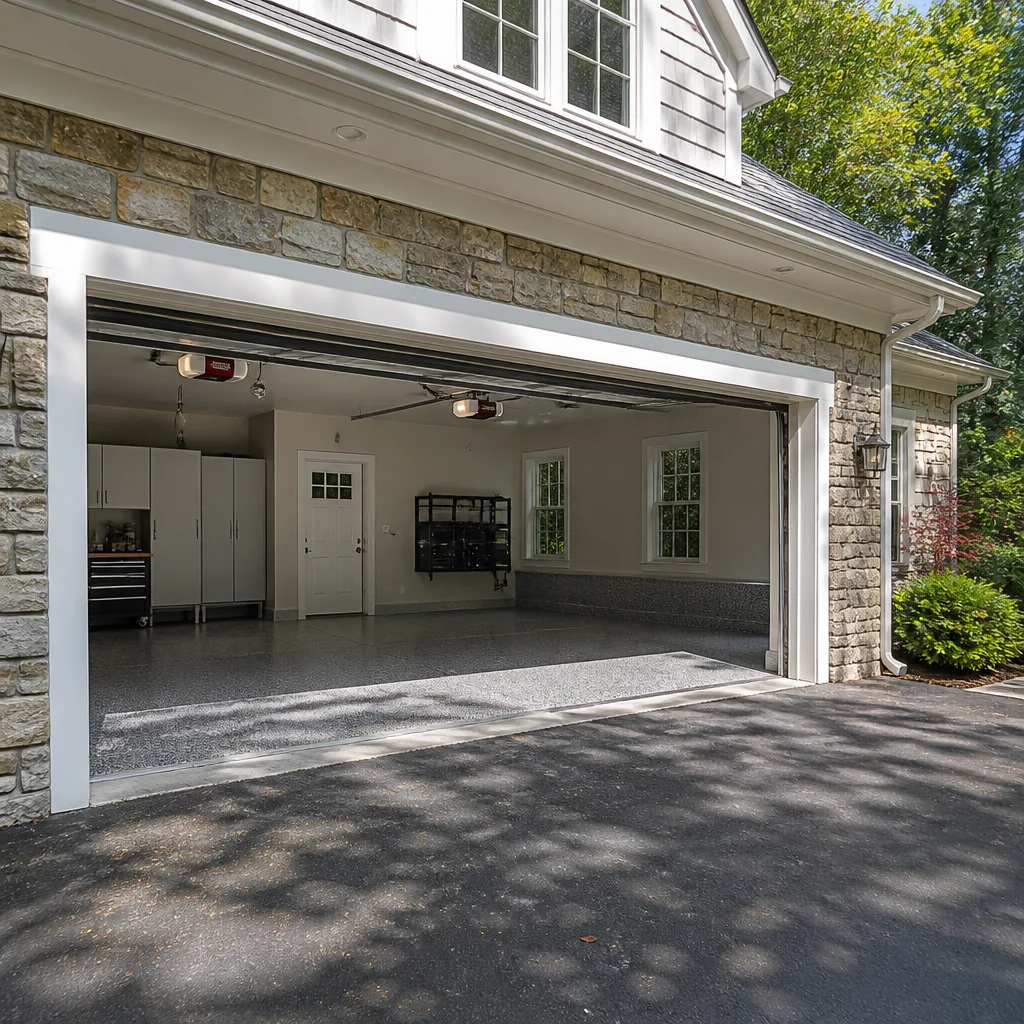 LiftMaster openers
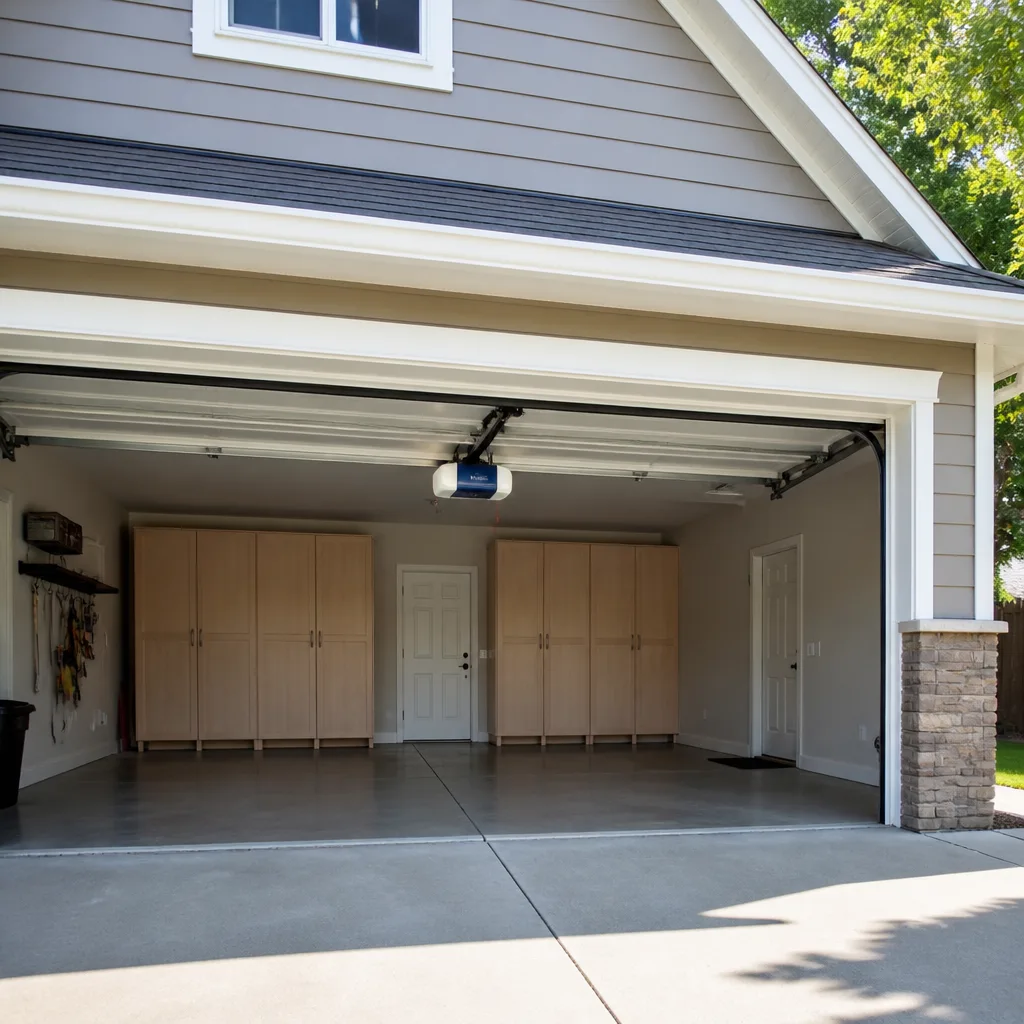 Chamberlain openers
Full 25-point door and opener safety check with every visit - springs, cables, rollers, tracks, and your LiftMaster or Chamberlain opener included
You get a price before we start. It does not change when the pro arrives.
Get your free estimateSeasonal Garage Door Care for Belair-Edison: Year-Round Homeowner’s Guide
Most garage door failures don’t come out of nowhere. They’re scheduled, and the schedule is written by the weather. In Belair-Edison, that schedule runs on a temperature swing that takes us from single-digit cold in January to mid-90s heat by July. The two weeks after the first hard freeze and the two weeks after the first real heat wave are when the phone rings hardest, and both windows are predictable well in advance. What follows is a season-by-season map of the stress each transition puts on your door and opener, plus a simple log you can keep to catch slow deterioration before it turns into a repair. It’s written from Belair-Edison, for the brick rowhouses and detached garages that make up most of this neighborhood.
Quick Answer
Garage door maintenance in Belair-Edison should follow the temperature, not the calendar. Check and recalibrate your opener’s force and travel settings before the first freeze and again before the first heat wave, inspect weather stripping and hardware at the fall moisture transition, and load-test springs, cables and rollers in spring once the door gets heavier use. A half hour at each transition prevents most of the calls a door generates all year.
Styles & brands we work with
- Raised-panel steel
- Carriage house
- Modern flush
- Full-view glass
- LiftMaster openers
- Chamberlain openers
Table of Contents
- Why Temperature Swings Drive Garage Door Failures
- Winter: Cold Contraction and Opener Force Drift
- Summer: Heat, Thermal Expansion and UV Wear
- Fall: Baltimore’s Leaf and Moisture Season
- Spring: What Winter Left Behind
- Building a Simple Seasonal Log
- Brand-Specific Notes for Belair-Edison Doors
Why Temperature Swings Drive Garage Door Failures
Everything on a garage door is under tension or under load, and both change with temperature. Steel tracks expand slightly in heat and contract in cold. Springs change their resistance as the metal’s temperature moves. The rubber seals around the perimeter stiffen in January and soften in July. Even the wood or steel framing of a Belair-Edison garage can shift a fraction of an inch between seasons, which throws a door slightly out of square and makes it drag where it used to glide.
The opener is where this becomes obvious. Modern openers from Genie and others use force settings – a limit on how much resistance the motor will push through before it reverses or stops. Those settings are calibrated to a door’s weight and drag at a given temperature. When the temperature moves 40 or 50 degrees, the door’s effective resistance changes, and a setting that was perfect in October can be marginal by January. A door that reverses for no reason, or stops halfway and blinks a diagnostic code, is often just telling you its force setting has drifted out of range.
This is why maintenance mapped to the calendar misses the point. A checklist that says “lubricate in spring” doesn’t address the fact that the stressful moment for your opener is the two weeks after the first hard freeze, not April. The sections below follow the actual stress windows for a Belair-Edison door.
Winter: Cold Contraction and Opener Force Drift
The first hard freeze is the single biggest trigger for garage door trouble in Belair-Edison. Overnight temperatures in the teens contract the door’s metal components, stiffen every rubber seal, and thicken the lubricant on rollers and hinges. The net effect is a door that’s harder to move, and an opener that was tuned for milder weather now working against more resistance than it expects.
The most important winter task happens before the freeze, and it’s the one most homeowners skip: checking that the safety reverse works correctly. Every opener manufactured since 1993 has a safety reverse feature, and it needs to be tested with the door’s actual resistance in mind. Here’s the sequence:
- With the door closed, pull the emergency release so the door is disconnected from the opener.
- Lift the door by hand to about waist height and let go. A properly balanced door should stay roughly where you release it, not crash down or float up.
- Reconnect the door and run it through a full open and close cycle.
- Place a solid object like a 2×4 flat on the floor in the door’s path and close the door. It should reverse on contact with the object, not crush it.
- If the door doesn’t reverse, or reverses inconsistently, the force setting needs adjusting. Consult your opener’s manual – the procedure differs between Genie, LiftMaster and Chamberlain units – or have it checked before the cold sets in.
While you’re at it, wipe a light film of garage-door-specific lubricant on the hinges, rollers and the torsion bar (not the tracks – those stay dry). Fresh lubricant stays pliable longer in cold than old, thickened grease. If your door has a Wayne Dalton TorqueMaster spring system, the balance check above is especially worth doing: the enclosed spring design is reliable, but it hides problems you’d otherwise see on an exposed spring.
Summer: Heat, Thermal Expansion and UV Wear
Summer in Belair-Edison brings 90-plus degree afternoons, and that heat does its own kind of damage. Steel panels expand and can bow slightly, especially on doors with a wide, flat panel design. If a door has a dent or a spot where panels have been pushed, that expansion can make the bow worse and cause the door to bind in the tracks. You’ll notice it as a door that rattles or scrapes on one side.
The bottom seal is the other summer casualty. That thick rubber or vinyl astragal seal along the bottom edge takes direct sun on a south- or west-facing garage and degrades faster than the rest of the door. When it hardens and cracks, you lose the weather seal, and water, insects and cold air all find their way in. Replacing a bottom seal is a modest job, but leaving it is what turns into a wet floor and rusted hardware by fall.
Paint and finish take a beating too. UV exposure fades and chalks painted steel over time, and on Clopay and Amarr steel doors, the factory finish holds up well but is not indestructible. A wash and a coat of car wax on painted steel in late spring slows the fade and makes the door easier to clean. It’s the least glamorous maintenance on this list and one of the most effective.
One more summer note: heat can mask a failing spring. A spring near the end of its life may still lift a door in July because warm metal is more flexible, then fail outright the first cold morning in October. If a door feels heavier than it used to, don’t wait for the temperature to tell you – have it checked.
Fall: Baltimore’s Leaf and Moisture Season
Baltimore’s fall is wet, and the leaves are relentless. For a garage door, the moisture is the real issue. Water that pools at the threshold, driven in by wind or sitting on a poorly graded driveway, works its way under the bottom seal and into the hardware at the base of the door. That’s where rust starts.
Fall prep in Belair-Edison comes down to three checks:
- Threshold and bottom seal condition. Run your hand along the bottom seal with the door closed. It should be pliable and make full contact with the floor. Any gap, tear or hardened section lets water in. Check that the concrete threshold isn’t cracked or crumbled – a failing threshold under a good seal still leaks.
- Weather stripping gaps. Look at the sides and top of the door frame. The vinyl or brush weather stripping should touch the door face all the way around with no daylight showing. Gaps along the top are easy to miss and let in both water and cold air.
- Rust-prone hardware. Hinges, rollers, the bottom bracket and any exposed fasteners are where rust appears first. A light coat of lubricant on these parts before the wet season is cheap insurance. If you see orange-brown staining on the paint below a hinge, that hinge is already rusting.
Clear leaves and debris from the tracks and the area around the threshold too. Wet leaves packed into the bottom of a track will hold moisture against the metal all winter and make the door drag every time it moves.
Spring: What Winter Left Behind
Spring is when a Belair-Edison door wakes up, and it’s also when the damage winter did becomes visible. The tricky part is that a lot of it stays hidden until the door’s load increases with warmer, heavier use. Springs, cables and rollers that survived the winter quietly may not survive a season of daily opening and closing at higher weight.
This is the season for a real load check, and it’s also the season to be careful. Garage door springs and the cables they tension are under enormous force. A torsion spring can be wound to hundreds of pounds of tension, and a torsion or extension spring that lets go is genuinely dangerous. We don’t recommend homeowners adjust, wind or release springs or cables themselves – that’s work for a trained technician, and it’s exactly the kind of job a general handyman shouldn’t take on either.
What you can do in spring is a load check and visual inspection:
- Disconnect the opener and lift the door by hand. It should feel balanced, not heavy on one side or the other.
- Look at the springs. On an exposed torsion spring, a visible gap or a winding that looks uneven means it has failed or is failing. On extension springs, look for stretched coils or missing safety cables – every extension spring should have a cable running through its center.
- Inspect the cables for fraying, kinks or slack on one side.
- Roll the door up and down once by hand and listen for grinding, squealing or a thump at any point in the travel.
- Check that all rollers are seated in the tracks and none are cracked or flat-spotted.
If the door won’t stay up on its own, or feels noticeably heavier than it used to, that’s your cue to stop and call. A heavy door usually means a spring has lost tension or failed, and continuing to run it through the opener puts load on the motor and the cables that they weren’t designed to carry.
Building a Simple Seasonal Log
Most garage door problems announce themselves long before they fail – just quietly, over months. A written log turns those whispers into a pattern you can act on. It doesn’t need to be elaborate. A notebook or a note on your phone works fine. What matters is doing it at the same four points each year: before the first freeze, after the hottest stretch, at the fall moisture transition, and in early spring.
Here’s a simple template to copy:
- Date: (write it down – the value of a log is in the comparison)
- Outside temperature when checked: (so you know what conditions the door was working in)
- Hand-lift balance: does the door stay at waist height when released? Yes / No / Notes
- Safety reverse test result: reverses on the 2×4? Yes / No
- Noise on travel: quiet / grinding / squealing / thump (note where in the travel)
- Bottom seal condition: pliable / starting to harden / cracked
- Visible rust: none / spots (note where)
- Weather stripping gaps: none / present (note where)
- Anything new: any change from last check
After two or three cycles, you’ll have a record of how your door behaves across a full year in Belair-Edison’s climate. A door that was quiet in October and grinds in April is telling you something specific – usually a roller or hinge that’s worn, or a spring that’s given up. The log means you catch it as a modest repair instead of a weekend emergency.
Brand-Specific Notes for Belair-Edison Doors
Belair-Edison’s housing stock means we see a wide spread of door brands, and knowing the quirks of what’s already installed is part of how we work. We’re factory-familiar with Genie, LiftMaster, Chamberlain, Clopay, Amarr, Wayne Dalton, Craftsman and Raynor equipment, and have up to 12 years of hands-on experience with these systems.
A few brand-specific things worth knowing as you do your seasonal checks. Clopay and Amarr steel doors typically have a factory finish that holds up well to Baltimore’s swings, but the bottom seal and side weather stripping still wear on their own schedule – check those regardless of how good the paint still looks. Wayne Dalton’s TorqueMaster spring system encloses the torsion spring in a tube, which protects it from debris but also hides wear; the hand-lift balance check is the most reliable way to know if it’s still doing its job. Genie openers have their own diagnostic code patterns, so when a door stops and the opener’s light blinks, that pattern is the first thing to read before anything else.
Brand familiarity matters because it changes how a repair goes. A technician who already knows your opener’s force-setting procedure or your door’s spring system doesn’t spend the first visit learning your equipment. That’s the point of working with a garage door specialist rather than a generalist. If you need Garage Door Repair Belair-Edison, the team already knows the brands in this neighborhood. If a repair has reached the end of its useful life, we also handle full garage door installation, so you don’t need a different contractor to finish the job.
Common Mistakes to Avoid
- Waiting for the first freeze to test the safety reverse. By then the door is already stiff and the opener is already struggling. Test it in fall, before the cold sets in.
- Oiling the tracks. Lubricant on the tracks attracts grit and makes rollers slide instead of roll. Keep tracks clean and dry; lubricate hinges, rollers and springs.
- Ignoring a door that reverses for no reason. An intermittent reversal is usually a force setting or travel limit out of adjustment. It’s an easy fix early and a stuck door later.
- Adjusting springs or cables yourself. Torsion and extension springs are under serious tension. This is not a homeowner job, and it’s not a general handyman job either – it’s a safety-critical repair for a trained technician.
- Letting the bottom seal go through a wet Baltimore fall. A hardened or cracked seal lets water under the door all season, and rusted bottom brackets are the usual result.
- Skipping the hand-lift balance check. It’s the single fastest way to know whether your springs are still doing their job, and it costs nothing but a couple of minutes.
- Not keeping any record. Without a log, a slow change looks like normal. With one, you can see it and fix it before it becomes a failure.
See the difference
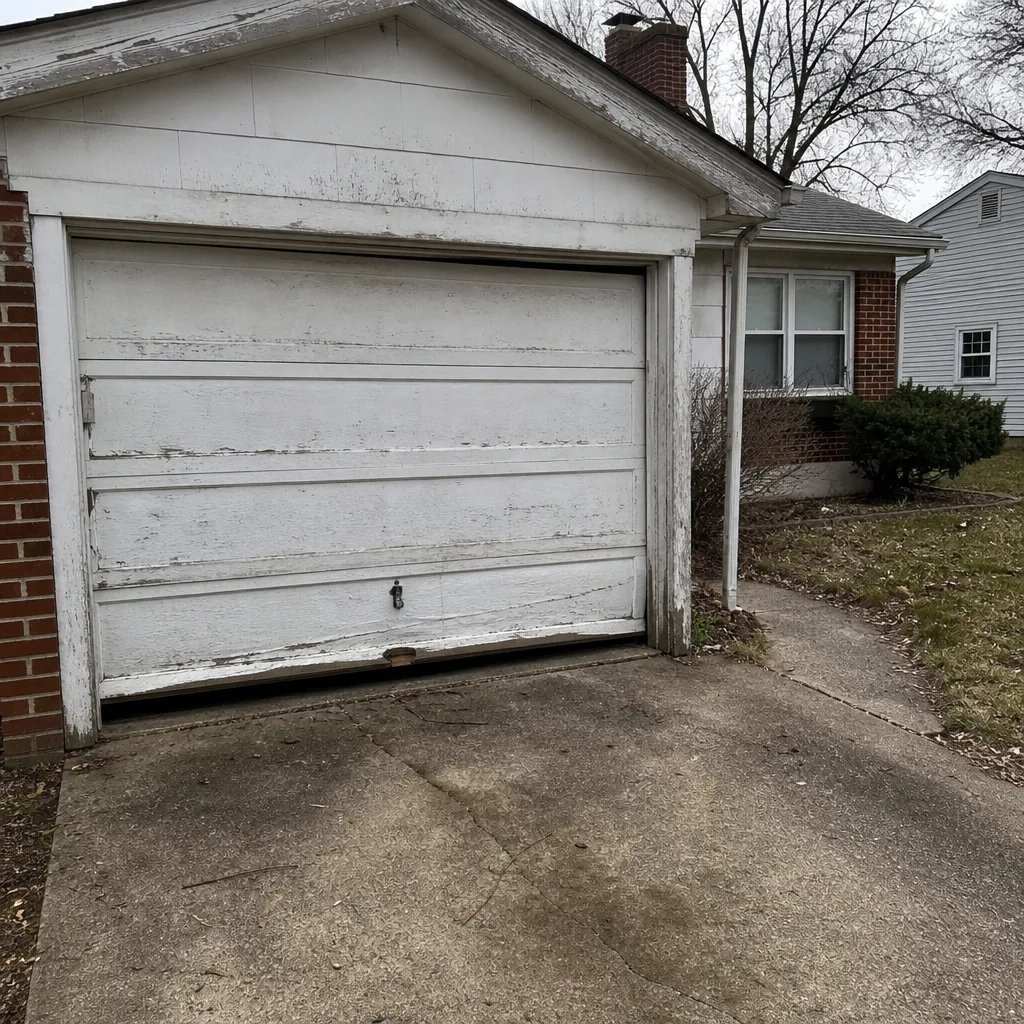 Before
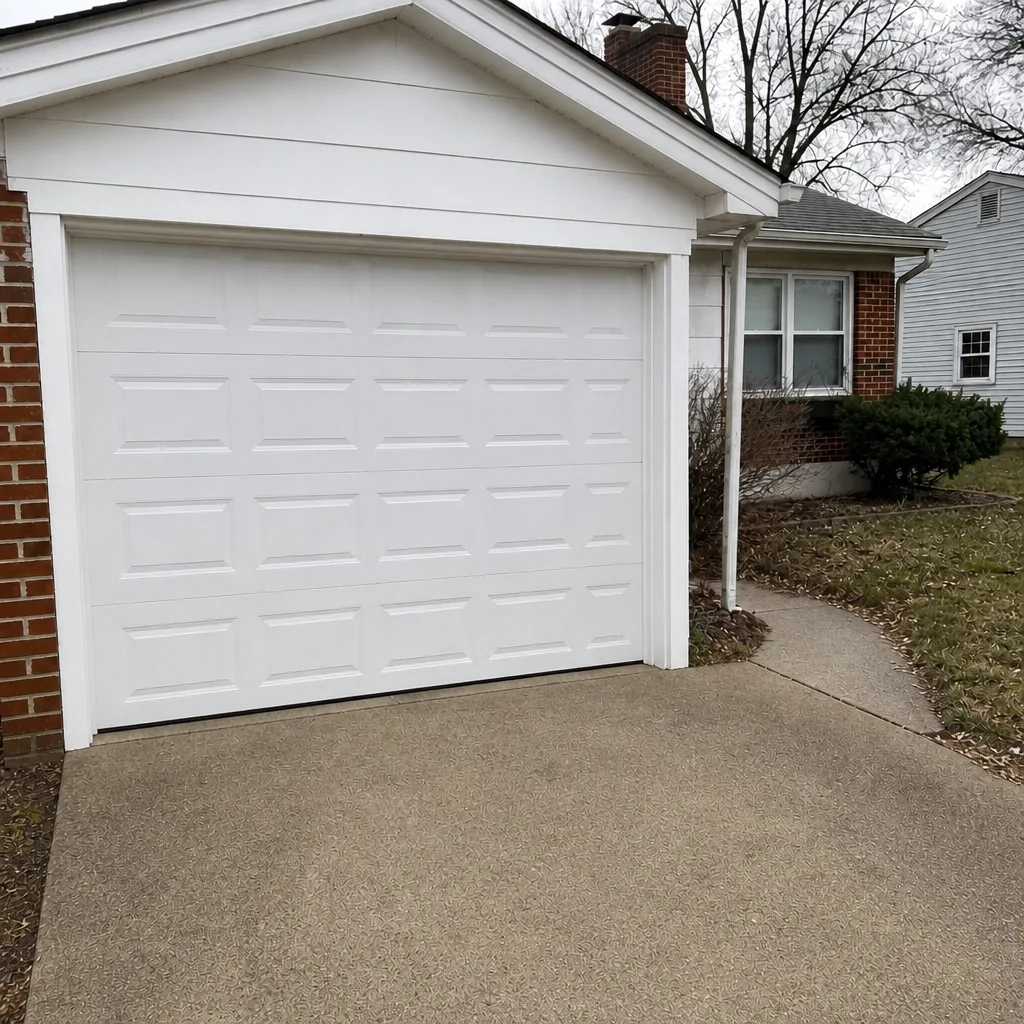 After
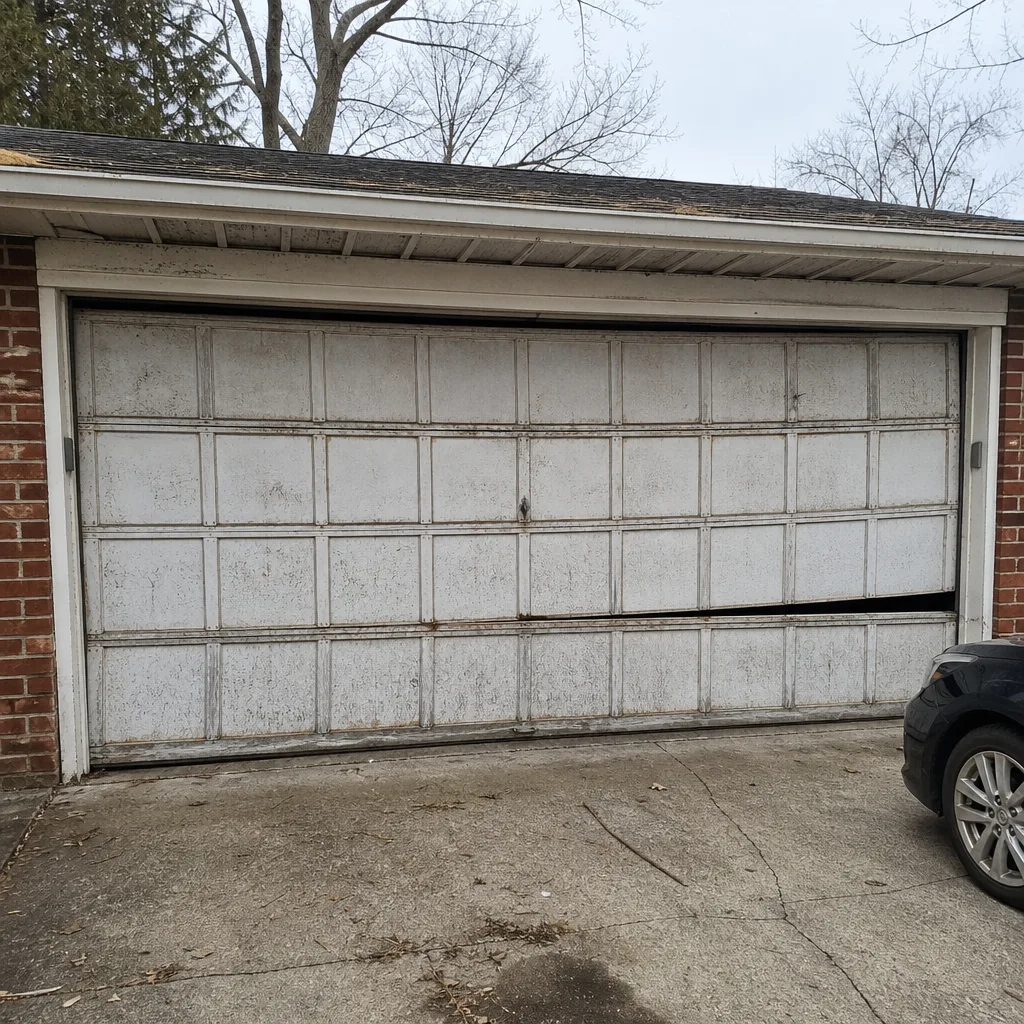 Before
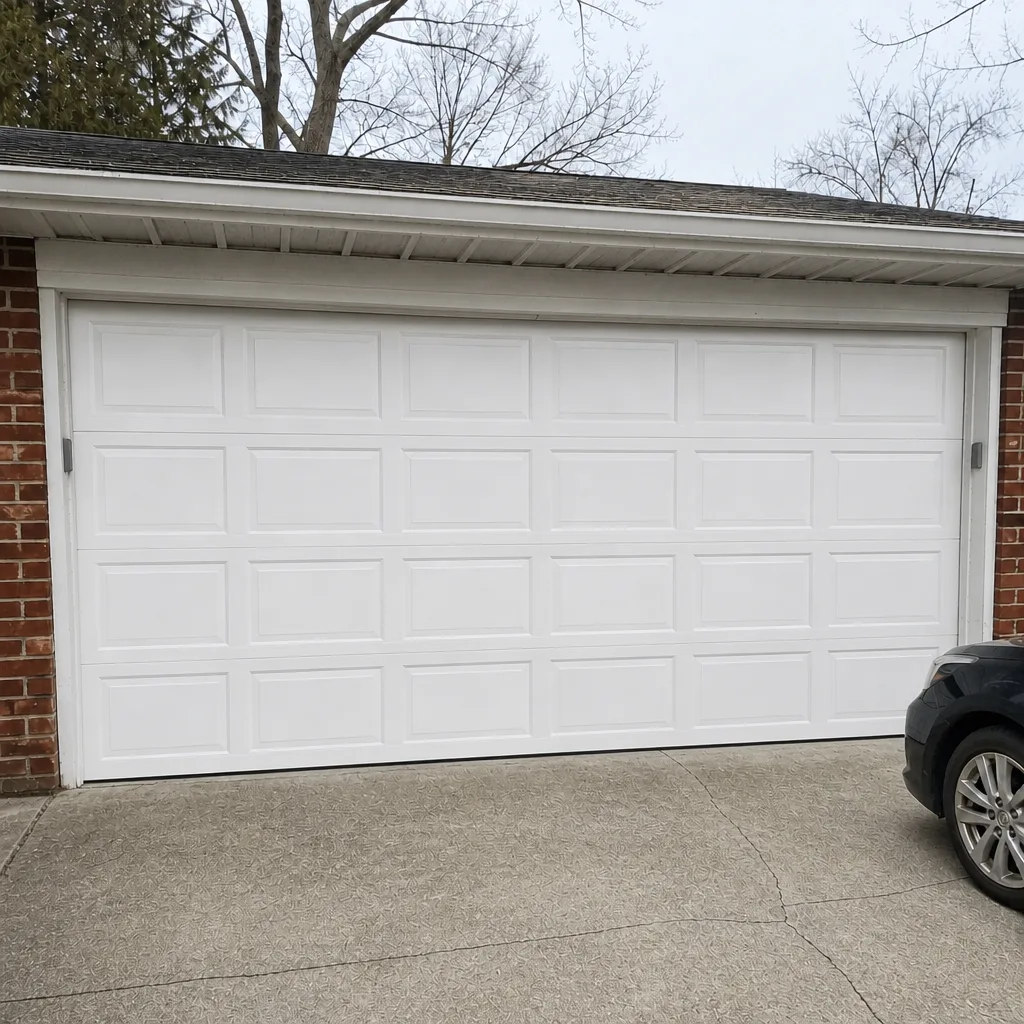 After
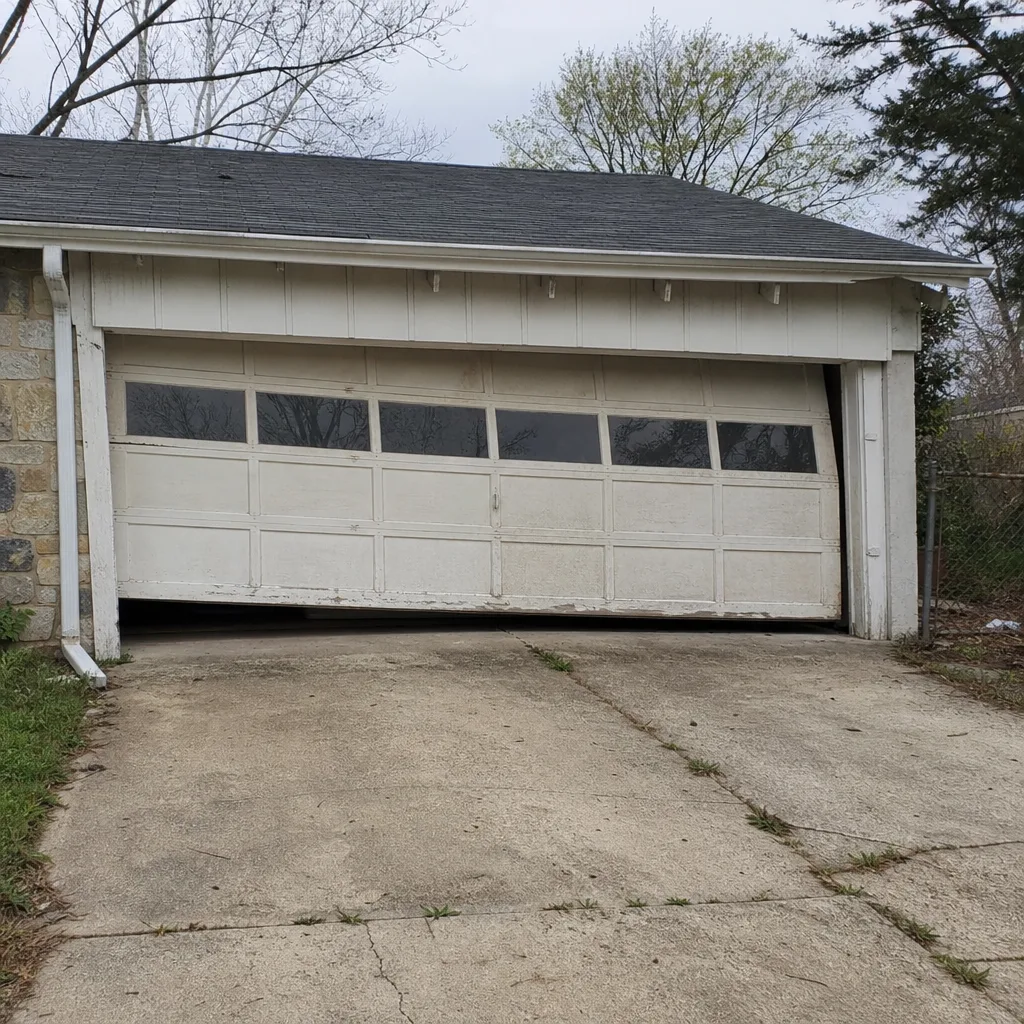 Before
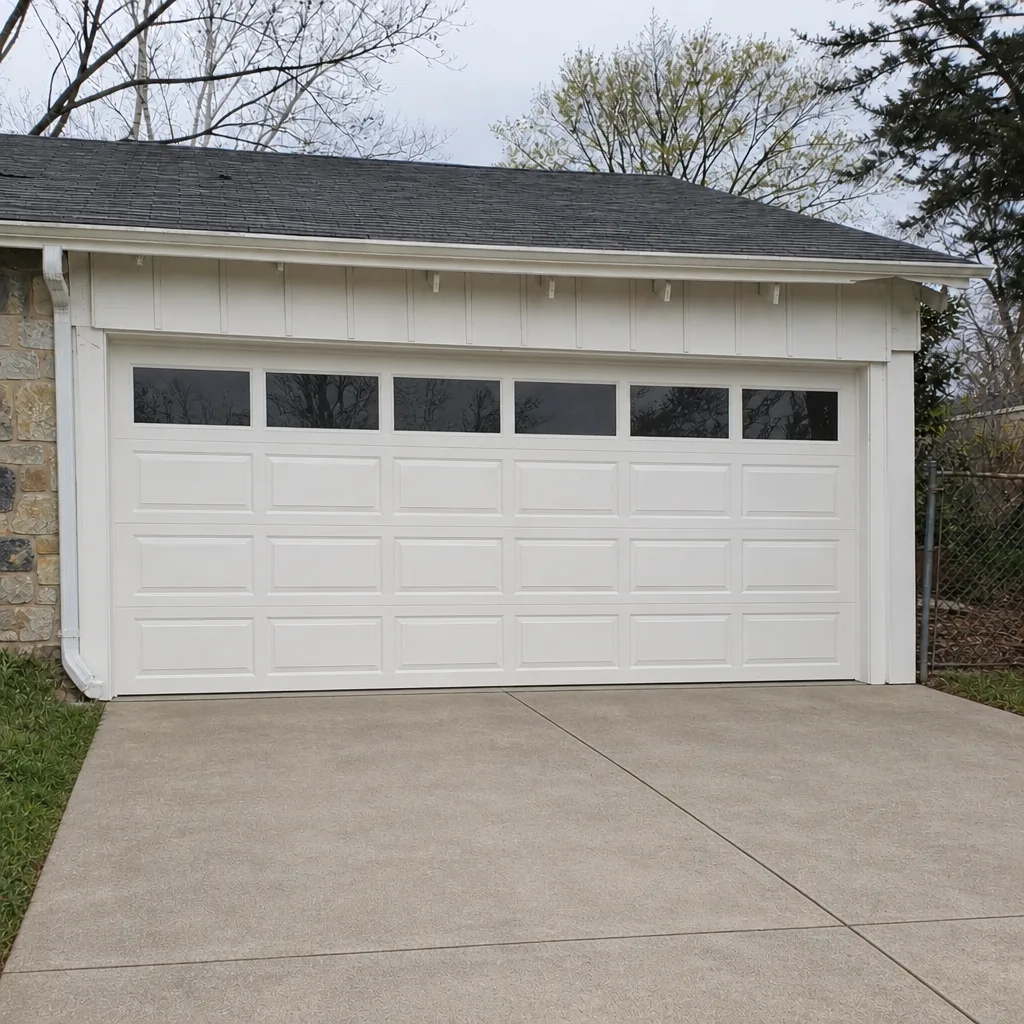 After
When to Call a Professional
Some seasonal tasks are yours: the hand-lift check, cleaning tracks, inspecting seals and keeping your log. Others belong to a trained technician, and it’s worth knowing where that line is. Call a professional if the door won’t stay up when you release it by hand, if you see a gap in a torsion spring or a stretched extension spring, if a cable looks frayed or slack, if the door binds in one spot or comes off the tracks, if the opener reverses inconsistently after adjusting force, or if the door makes a loud bang and then won’t lift. Any of these point to spring, cable, roller or opener trouble that needs proper diagnosis. Garage Door Repair Belair-Edison offers free estimates in Belair-Edison – call (855) 337-1760. We also handle garage door repair and garage door opener repair across the neighborhood.
Frequently Asked Questions
Check it at four points a year: before the first freeze, after the hottest stretch of summer, at the fall moisture transition, and in early spring. Belair-Edison’s temperature swings from mid-teens to mid-90s create specific stress windows at each transition, so timing the checks to the weather catches problems when they’re still small.
Cold weather contracts the door’s metal, stiffens its seals and thickens lubricant, which raises the door’s resistance. Your opener’s force setting was calibrated for milder conditions, so it interprets the extra resistance as an obstruction and reverses. Testing and adjusting the force setting before the first freeze usually prevents it. If it keeps happening after adjustment, call (855) 337-1760 for a diagnosis.
No. Torsion and extension springs are under hundreds of pounds of tension, and adjusting or releasing them without training can cause serious injury. Leave spring and cable work to a trained technician, and use the hand-lift balance check only to tell you whether the door needs attention.
Test the safety reverse with a 2×4 in the door’s path, do a hand-lift balance check, apply fresh lubricant to hinges, rollers and the torsion bar (not the tracks), and inspect the bottom seal and weather stripping for gaps. These four checks address the cold-weather failures we see most often in Belair-Edison.
The door will feel extremely heavy when you lift it by hand and won’t stay up when released. On an exposed torsion spring you may see a visible gap in the coil. On extension springs, look for stretched or missing safety cables. If the door makes a loud bang and then won’t lift, the spring has likely failed – call (855) 337-1760 and keep the door closed until a technician arrives.
The written estimate sets the price, and we quote and agree it before any work starts. Seasonal maintenance checks are a good way to catch small issues before they become repairs, and estimates are free – call (855) 337-1760 for an exact quote.
The Bottom Line
Garage door care in Belair-Edison works best when it follows the weather, not an arbitrary checklist. Recalibrate your opener’s force settings before the first freeze and again before the first heat wave, inspect seals and hardware at the fall moisture transition, and load-test springs, cables and rollers in spring once the door’s use picks up. Keep a simple log so you can see slow changes coming. And where springs and cables are involved, know when to stop and call a trained technician. A few minutes at each seasonal transition does more for your door than any single repair.
Call (855) 337-1760 for a free estimate. We answer 24/7. Fast dispatch from 7am to 7pm, Sunday through Friday, closed Saturday.
Written by the team at Garage Door Repair Belair-Edison.