
Last updated November 21, 2026
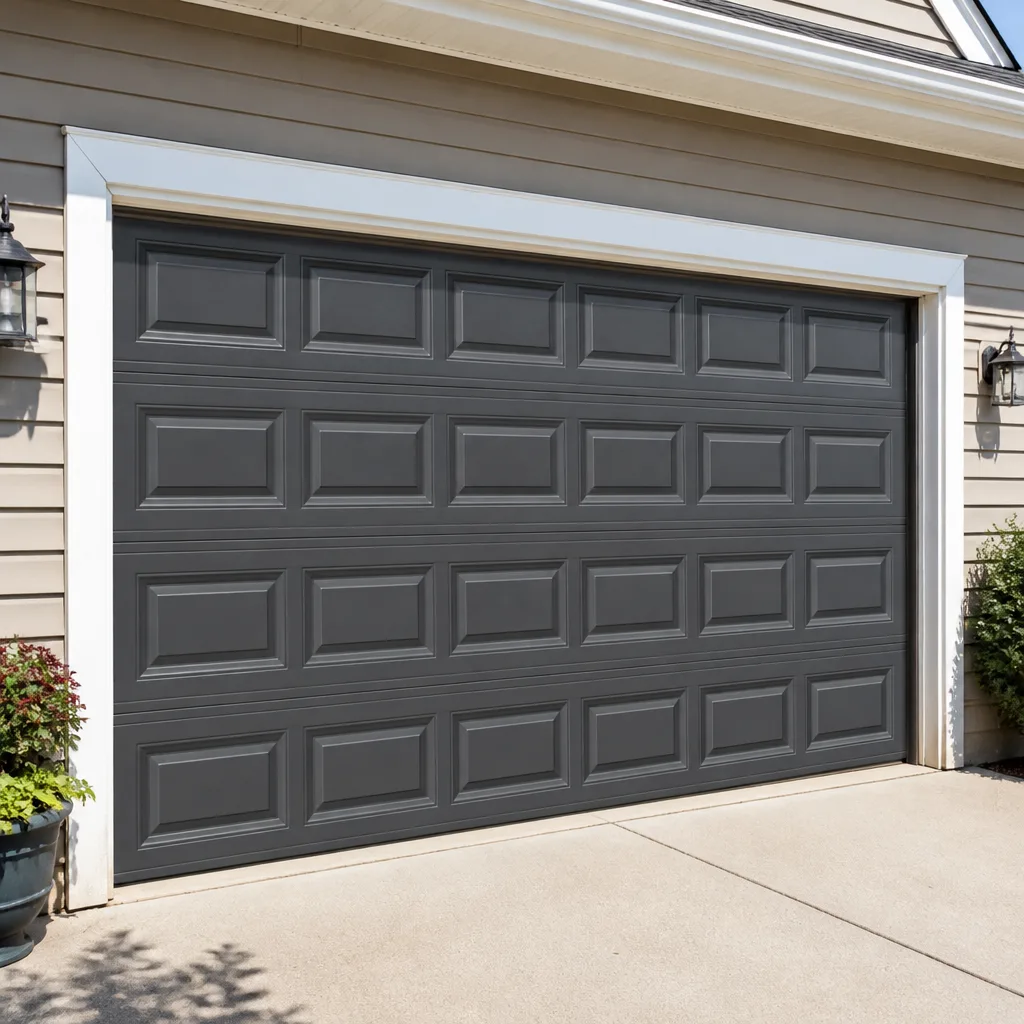 Raised-panel steel
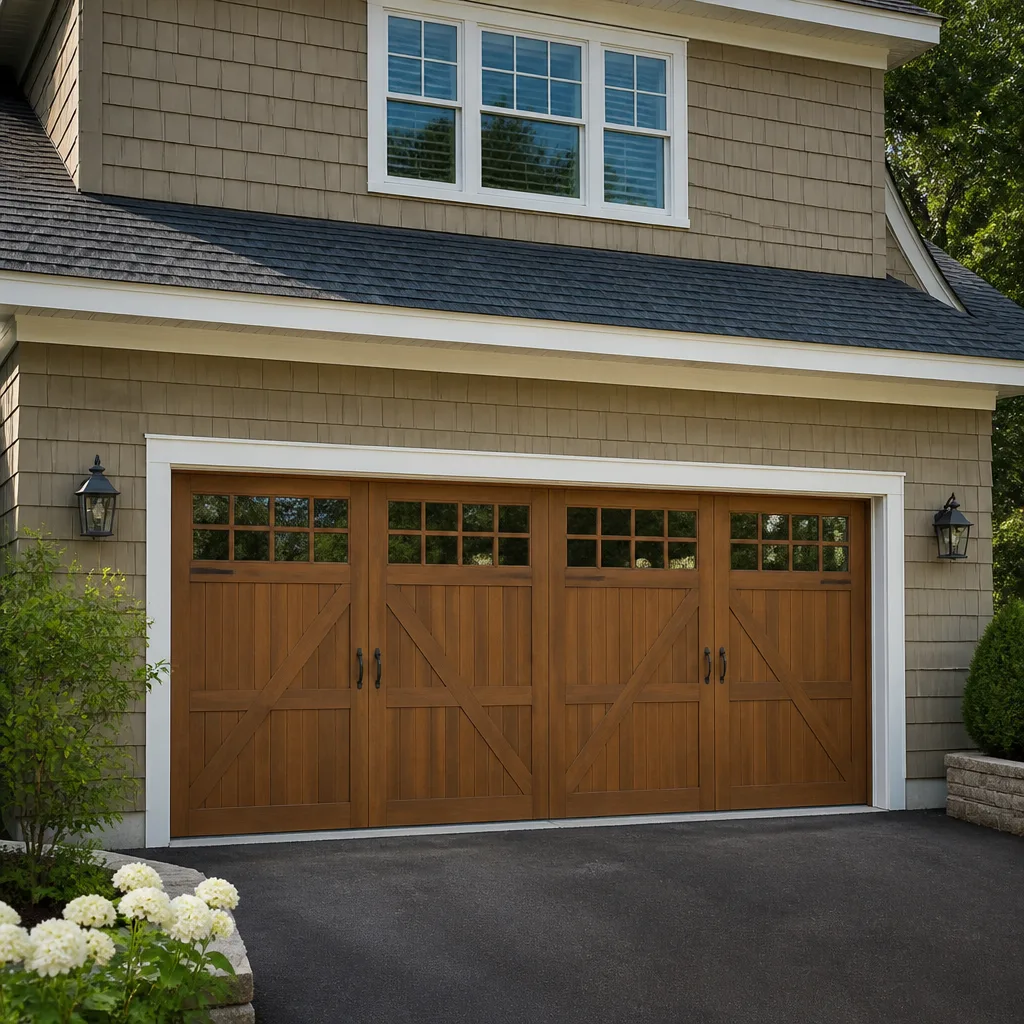 Carriage house
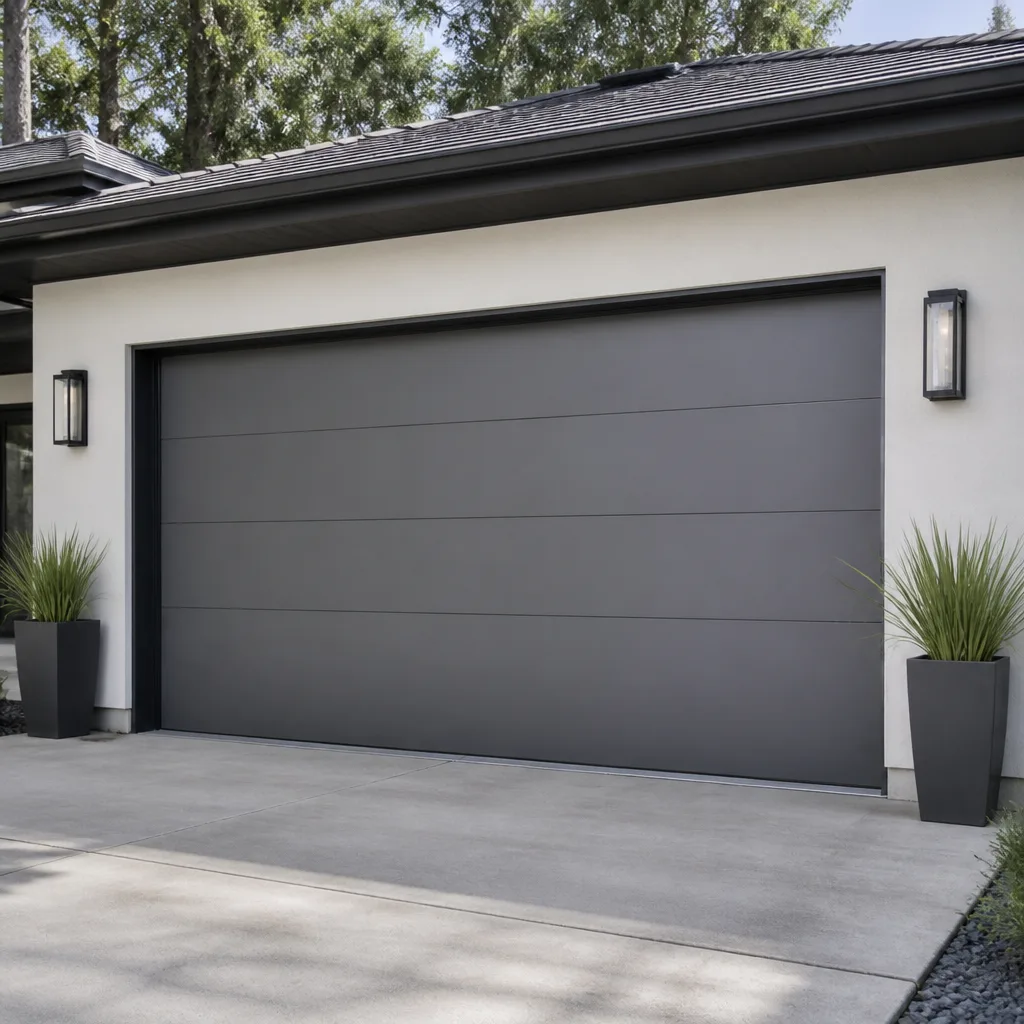 Modern flush
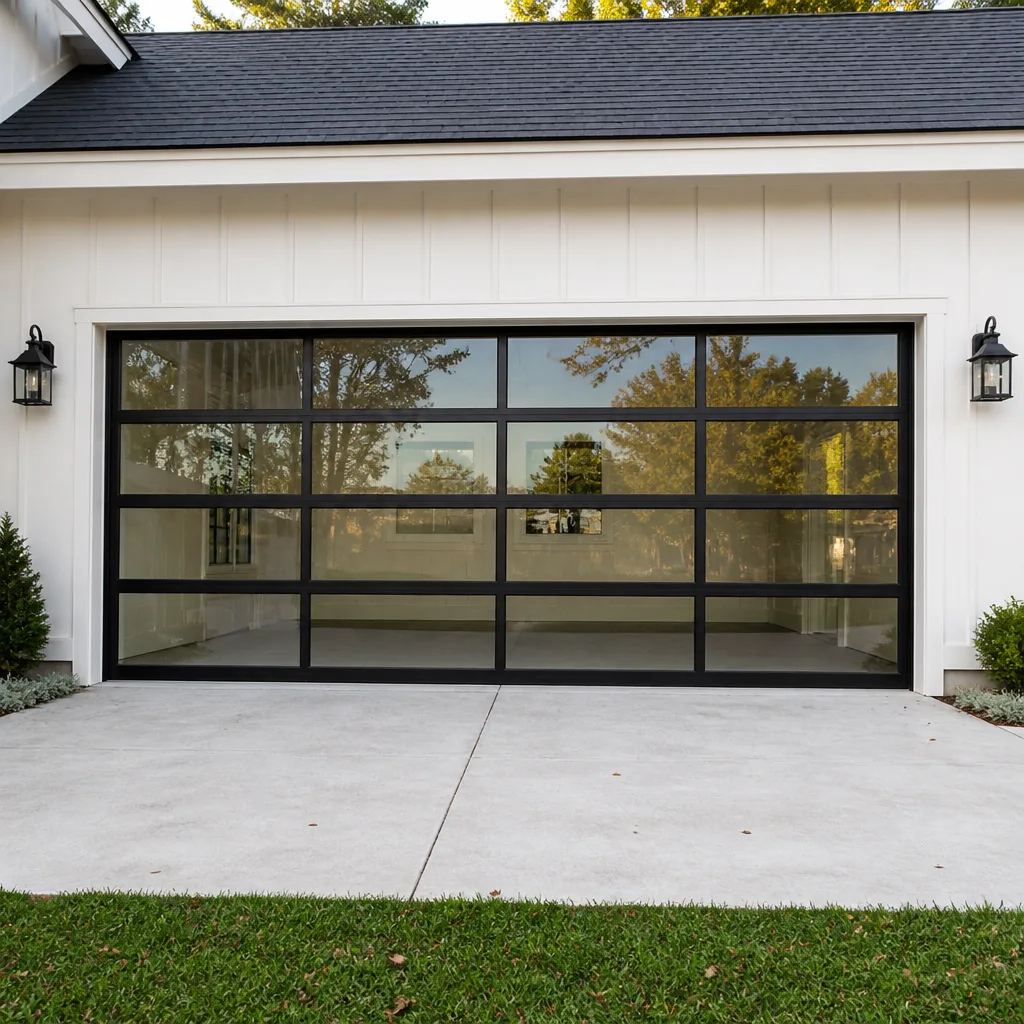 Full-view glass
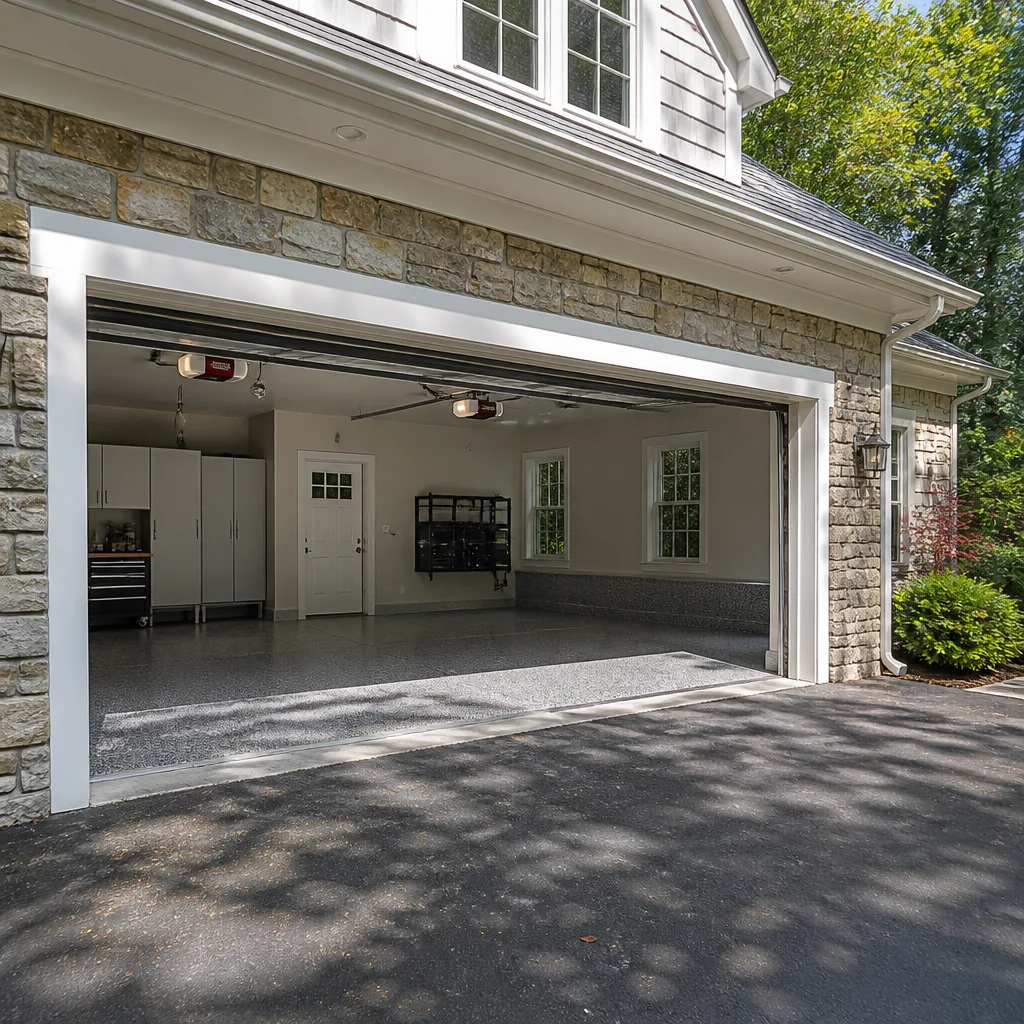 LiftMaster openers
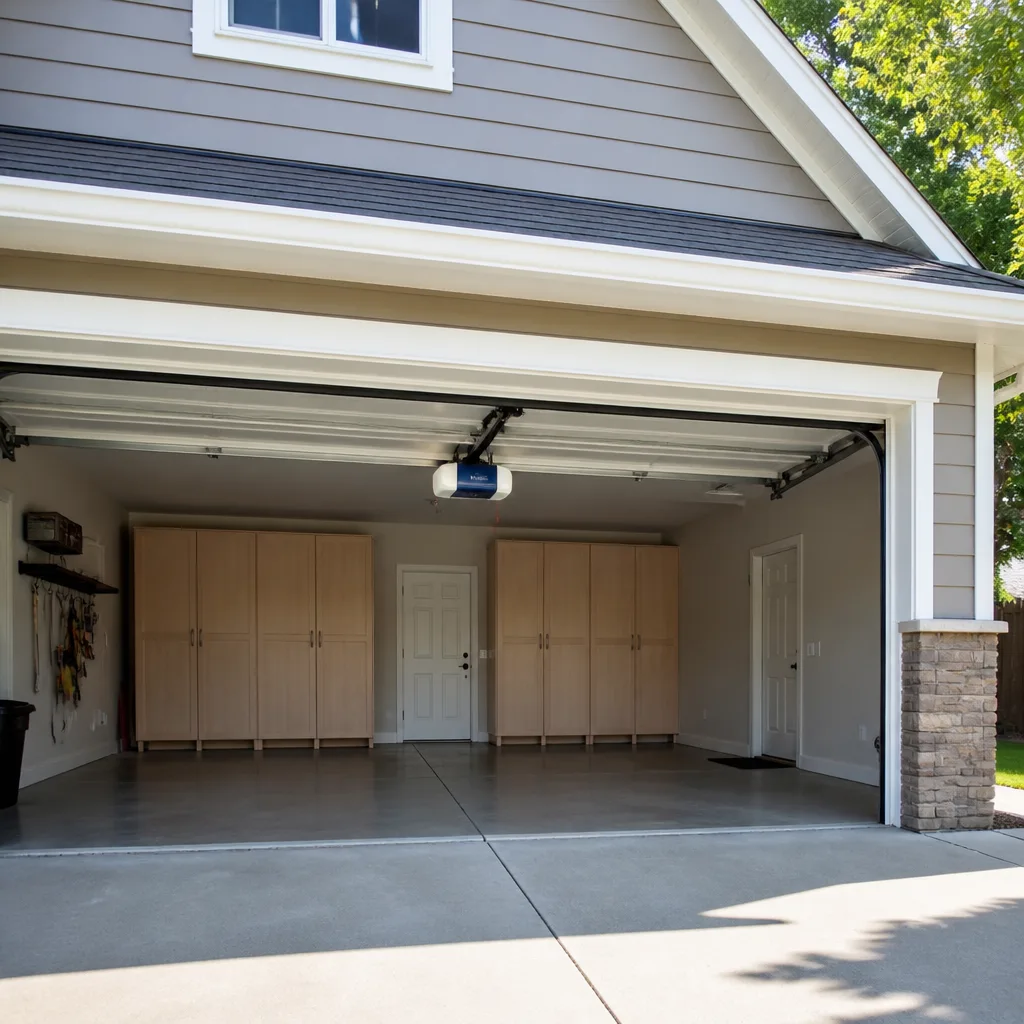 Chamberlain openers
Full 25-point door and opener safety check with every visit - springs, cables, rollers, tracks, and your LiftMaster or Chamberlain opener included
You get a price before we start. It does not change when the pro arrives.
Get your free estimateGarage Door Warning Signs: A Belair-Edison Homeowner’s Reference Guide
A snapped torsion spring feels sudden. It almost never is. The door was telling you for weeks – most homeowners just didn’t know what to listen for. The grinding that started on a Tuesday, the half-inch gap that showed up along one side, the bottom roller that started squealing every time the door came down: each of those is a message from a specific part, and each one comes with a different deadline. In Belair-Edison, where a lot of the housing stock is older and the weather swings hard between humid summers and freezing winters, those messages show up earlier and louder than most people expect. This guide teaches you to read them, rank them by urgency, and know which ones you can wait on and which ones you can’t.
Quick Answer
The main garage door warning signs are unusual noises (grinding, popping, squealing), a door that moves unevenly or stops halfway, bent or rusted tracks, frayed cables, visible spring gaps, and a door that won’t stay up on its own. Any sign involving a spring or a cable is safety-critical and shouldn’t wait. Most other issues are adjustments that should still be handled soon, before they wear out the opener or the door itself.
Styles & brands we work with
- Raised-panel steel
- Carriage house
- Modern flush
- Full-view glass
- LiftMaster openers
- Chamberlain openers
Table of Contents
- The Noise Map: What Each Sound Tells You
- Visual Warning Signs on Springs, Cables, and Rollers
- The Slow-on-One-Side Problem
- Nuisance Adjustment vs. Safety-Critical Repair
- Warning Signs Specific to Older Belair-Edison Homes
- Opener Warning Signs You Shouldn’t Ignore
- A Monthly Inspection Routine You Can Actually Keep
- Symptom-to-Cause Matrix
The Noise Map: What Each Sound Tells You
Sound is the earliest warning system a garage door has, and it’s the one most people tune out. A door in good working order makes a low, steady hum from the opener and very little else. Anything sharp, rhythmic, or new is information. Here’s how we map the common ones.
- Grinding or a metallic scrape: usually the rollers binding in the track or the torsion hardware running dry. It’s a wear signal, not an emergency, but it accelerates damage to the track if it’s ignored for months. A grinding sound from the opener itself, though, points to a gear or bearing problem inside the motor housing.
- Popping or a single loud bang: a pop at the start of a cycle often means a spring is winding unevenly, or a cable has jumped its drum. A single sharp bang followed by the door feeling weightless is the classic sound of a torsion spring breaking. That one is safety-critical.
- Squealing: nearly always friction – dry rollers, a dry hinge, or a roller that’s lost its bearing. It’s a nuisance in the short run and a wear multiplier in the long run.
- Rattling: loose hinge bolts, a loose panel, or a track that’s worked free of its fasteners. Rattling is easy to fix when it’s caught early and annoying when it isn’t.
The key is that the noise doesn’t have to be loud to matter. A quiet grinding that shows up every cycle is more diagnostic than a loud squeal that only happens when the weather is cold. If you’re hearing a new sound on a door you’ve had for years, that’s your cue – call us and we can talk you through what it likely is before anything gets worse. We answer the phone 24/7 at (855) 337-1760.
Visual Warning Signs on Springs, Cables, and Rollers
You don’t have to be a technician to see most of these. You just have to know where to look and what a normal part looks like compared to a failing one. A quick monthly look costs nothing and catches the big failures before they happen.
Springs
Torsion springs sit on the shaft above the door. A healthy spring is a clean coil. What you’re looking for:
- A visible gap between coils – the spring is separating, and it’s on its way out.
- A stretch at the middle of a torsion spring where the coils splay apart. That’s the spring losing tension.
- Fresh rust streaks on the spring, especially at the ends where the winding cone sits. Rust erodes the wire diameter and shortens the spring’s life.
- On extension springs (the ones running alongside the track on older doors), a broken spring appears as a hanging coil. If there’s no safety cable running through the coil, the door is one failure away from a spring flying loose. That cable is a small part with a big job.
Cables
Cables run from the bottom brackets up to the drums at the top of the shaft. A healthy cable is straight, taut, and free of kinks. Watch for fraying strands, a cable that’s visibly slack on one side, or a cable sitting askew on its drum. A frayed cable is a load-bearing part failing; it should be replaced, not tightened.
Rollers
Rollers should be round, quiet, and turning freely. Flats, cracks, or a roller that wobbles in its stem all mean replacement. Worn rollers cause the door to drag, which puts extra load on the opener and the springs. On Belair-Edison doors that spend more time open in the summer, UV and heat aging makes them crack sooner than you’d expect.
None of these require you to touch the part. Just look, note what you see, and call us.
For help with any of these, our team handles Garage Door Repair Belair-Edison and we’re happy to walk through a symptom with you over the phone before we come out.
The Slow-on-One-Side Problem
Here’s the one that fools a lot of homeowners. A door that rises crooked, or sags on one side, or stops an inch lower on the left than the right, gets blamed on the opener. It almost never is. The opener pushes the door up evenly by pulling the center of the door along a rail; it doesn’t move the door’s left side and right side separately. When the door travels unevenly, the problem is almost always in the mechanical parts – a stretched or worn extension spring, a failing torsion spring on one side, a cable that’s jumped a drum, or a track that’s out of plumb.
Why it matters:
- The opener takes the abuse. An uneven door forces the motor to work against the imbalance every cycle, which shortens the life of the gear, the capacitor, and the drive train.
- The door twists. A panel that was never designed to flex starts to bow. Panel warping is expensive to fix and often not fixable.
- The imbalance gets worse. A tired spring doesn’t recover on its own. The gap between the two sides opens up over weeks.
- It’s a symptom of something that will fail. A cable about to snap or a spring that’s lost most of its tension both present as uneven travel before they let go completely.
If your door has started moving unevenly, in our experience the right move is a same-visit diagnosis, not a new opener. We work on the brand already in your garage – Genie, Chamberlain, LiftMaster, Clopay, Amarr, Wayne Dalton, Craftsman, Raynor – so we already know what the equipment is likely doing when we arrive. If the opener itself is the culprit, our garage door opener repair team can handle it. Either way, we diagnose before we quote.
Nuisance Adjustment vs. Safety-Critical Repair
The single most useful skill in this guide is telling the difference between “this needs attention” and “this shouldn’t wait.” Not every symptom is an emergency. But a few symptoms are, and mistaking one for the other is how people get hurt or end up with a bigger repair than they needed.
Nuisance adjustments (handle soon, not tonight)
- Rattling hinges or loose bolts on the door panels.
- A squealing roller or a dry hinge.
- An opener light that flickers or a remote that’s flaky.
- A door that reverses on contact with the ground too quickly (safety reverse is working, just tuned tight).
- A photo-eye that’s misaligned and reversing the door.
- A track that’s slightly out of level but the door still runs smoothly.
Safety-critical (call now)
- A broken torsion spring – the door is now dead weight, and trying to open it manually can bring it down hard. Never stand under it.
- A frayed, slack, or jumped cable – the next movement could snap it.
- A door that won’t stay up when you let go of the handle halfway (springs have failed).
- A door that won’t reverse on contact with an object (safety reverse has failed).
- A visibly bent track that the rollers are running into.
- A door hanging crooked with the bottom panel off the ground on one side.
We want to be direct about this: springs and cables are the two parts of a garage door system that carry dangerous stored energy. A torsion spring under tension can cause serious injury when it releases unexpectedly, and that’s why we don’t walk homeowners through DIY spring work. What we do instead is diagnose it fast, quote the repair in writing before we touch anything, and get the door back into working order the same visit for the vast majority of cases. If you’re not sure which category your issue falls into, call (855) 337-1760 and tell us what you’re seeing.
Warning Signs Specific to Older Belair-Edison Homes
Belair-Edison has a lot of housing built between the 1920s and the 1960s, and a lot of it has been re-fitted with attached garages over the years. That age shows up in predictable ways on the door hardware, and it’s worth knowing what to look for if your home falls into that group.
Wood panel swelling
Old wooden garage doors expand and contract with the seasons. In a Baltimore summer, the wood absorbs moisture, the panels swell, and the door starts to bind on one side. In the winter, the wood shrinks and the door develops gaps. If you see a section that stays bowed after the weather dries out, that panel is beyond normal seasonal movement and the door is now working harder than it should. Left alone, the binding wears out the rollers and stresses the springs.
Offset track gaps
Older installations sometimes have the track mounted with spacers or into a wood frame, and over decades the wood frame shifts. The result is a track that isn’t perfectly parallel to its mate on the other side, and you get rollers wanting to jump the rail. If you can see daylight between the roller and the track surface, or the door clunks when it hits a specific spot, the track is off. This is repairable, and catching it early saves the roller and the door.
Rusted bottom brackets
The bottom corners of the door are where moisture collects. On older doors, the bottom bracket – the metal plate the cable attaches to – can rust through. That’s a load-bearing part failing. Look for visible rust bubbling under the paint at the bottom corners, or a bottom bracket that looks thinner at the edges than in the middle. If you see it, don’t operate the door. The cable is holding by less than it appears.
Weather seal breakdown
The rubber or vinyl seal along the bottom edge of the door is the first line of defense against drafts and water. In older Belair-Edison homes, that seal is often original and has gone brittle. A cracked or hardened seal lets water pool against the bottom of the door, which is what accelerates the bracket rust described above. Replacing the seal is one of the cheapest long-term protections you can make on an older door, and it can usually be done the same visit as other service.
If you’re looking at a door that’s showing several of these at once, our team can help you decide whether a garage door repair or a full replacement is the right call. We’ll tell you which one actually makes sense for the door in front of us, not which one is more convenient for us.
Opener Warning Signs You Shouldn’t Ignore
The opener is the part of the system most likely to fail without a loud bang. It gives you quieter signals instead, and they’re worth knowing. Our technicians have up to 12 years of experience and see the same patterns across brand lines – the specifics differ, but the failure sequence doesn’t.
- Slow response from the remote or wall switch. If you have to hold the button down or press it twice, the issue is usually the wall console, the remote battery, or a loose antenna wire. That’s a nuisance. If it’s slow every time from every source, the opener’s control board may be failing.
- The door reverses before it hits the floor. This is the safety reverse system working overtime. The photo-eyes at the base of the track may be blocked or misaligned, or the force limit has drifted. Either way, the door isn’t fully functioning and it’s not protecting the space.
- The door reverses immediately after starting up. Usually the safety reverse is tripping on something. Sometimes it’s the force setting being too low. Both are diagnosable.
- Grinding inside the motor housing. This is the opener’s gear wearing out. It’s not an emergency, but the opener is on the way out and repairs to the motor are usually a stopgap.
- The opener runs but the door doesn’t move. Could be a stripped gear, a broken drive belt or chain, or a disconnected trolley. Do not force the door; the mechanism is jammed and forcing it can bend the rail or snap a cable.
- The opener hums and shuts off. Often the capacitor or motor is overheating. If it’s happening more than once, get it looked at. A Cape-style opener fault on a Clopay or Amarr door usually traces back to load, not the door itself.
If you suspect the opener rather than the door, our garage door opener repair service covers the major residential brands. We diagnose before we recommend replacement, because most opener faults are repairable.
A Monthly Inspection Routine You Can Actually Keep
A “monthly inspection” sounds like homework. It isn’t, if you know what you’re doing and it takes five minutes. Here’s the routine we walk people through.
- Listen before you look. Stand outside and cycle the door once. Note anything new: grind, pop, squeal, rattle. Compare to last month.
- Watch the travel. Watch the door go up and down. Does either side lag? Does it stop straight? Is the bottom panel level with the floor?
- Look at the springs. From the ground, both torsion springs should look the same and should not have a gap. Extension springs should have a safety cable running through the coil.
- Check the cables. Look for fraying along the length and for any cable that’s jumped the drum at the top.
- Test the safety reverse. Lay a 2×4 flat on the ground under the middle of the door and cycle it closed. It should reverse on contact. If it doesn’t, don’t ignore it.
- Test the photo-eye. Wave an object across the beam near the ground at each side. The door should reverse when the beam is broken.
- Look at the bottom corners. Rust bubbling, a bracket that looks thinner, or a weather seal that’s cracked and stiff all belong on the list.
Write it down or take a photo once a month. The value isn’t in the inspection itself – it’s in the comparison. A rusted bracket you’ve seen for three years isn’t news. A rusted bracket that appeared since last month is. That comparison is what lets you tell a nuisance from something that shouldn’t wait until next spring.
If the routine turns up anything you’re not comfortable interpreting, that’s a fine reason to call. We’re happy to talk it through – (855) 337-1760, and we answer 24/7.
Symptom-to-Cause Matrix
Here’s the reference table we’d hand you if you were standing in front of us. Use it to get a rough read on what part is likely involved and how soon to act. It’s not a diagnosis – a technician’s eyes on the door beat any list – but it’s a good starting point.
- Loud bang, then door won’t lift: torsion spring failure. Safety-critical. Don’t operate manually. Call now.
- Door lifts a few inches and stops: torsion spring or extension spring issue, or a disconnected trolley. Safety-critical. Call now.
- Grinding at the track: dry or worn rollers, or a track that’s out of line. Nuisance-to-urgent. Schedule service.
- Squealing on each cycle: dry hinges, dry rollers, or lost bearings. Nuisance. Service when convenient.
- Rattling: loose hinge bolts or panels. Nuisance. Tighten or schedule.
- Door crooked, one side lagging: cable, spring, or track. Treat as safety-critical until diagnosed.
- Door reverses on contact: safety reverse working, force setting tight. Nuisance. Schedule adjustment.
- Door won’t reverse on contact: safety reverse failed. Safety-critical. Call now.
- Photo-eye reverses the door: misaligned or dirty eye. Nuisance. Adjust or clean.
- Remote slow or needs repeat presses: battery, wall console, or antenna. Nuisance.
- Opener hums and shuts off: capacitor, motor, or gear. Urgent. Schedule service.
- Door won’t stay open halfway: spring has lost tension. Safety-critical. Don’t leave the door in that position unattended – call and get it addressed.
For anything in the “safety-critical” column, don’t test it from underneath, don’t try to force it into place, and don’t open it manually to drive out. Call (855) 337-1760 and we’ll get you scheduled. For everything in “nuisance,” you’ve still got time, but the smart move is to book it before the wear turns into a bigger repair.
Common Mistakes to Avoid
- Assuming every uneven door needs a new opener. Nine times out of ten, the opener is the victim, not the cause. Diagnose the door before you replace the motor, or you’ll pay for an opener and still have a crooked door.
- Running the door after a spring pops. A door with a failed spring is dead weight on the opener and the cables. Every cycle after the break accelerates the damage, and it can bring the door down on a person. Stop and call.
- Testing the safety reverse with your hand. This is the mistake we see most often. Use a 2×4 or a rolled towel on the ground. Your arm shouldn’t be in the door’s path under any circumstances.
- Ignoring a slow, quiet grinding. Loud noises get attention; quiet ones get ignored. A grinding that shows up every cycle is often the earlier warning, and it’s cheaper to fix now than after the track wears through a roller.
- Waiting on old wooden doors through a Baltimore summer. Wood swells in humidity. A door that binds in July but seems fine in October is telling you something about its clearance, and it needs adjustment before the next humid season, not after.
- Treating a rusted bottom bracket as cosmetic. A rusty bracket holds the cable. When it fails, the cable goes slack and the door drops on that side. Rust, bubbling paint, or a bracket that looks thin needs a look.
- Skipping the inspection because the door “seems fine.” A garage door that cycles twice a day, every day, wears gradually. The monthly check costs five minutes and catches the failures that don’t announce themselves.
If any of these describe your door right now, we’d rather hear from you early than late. Our team is happy to look at a door that’s a couple of months past due on maintenance – that’s the whole point of this guide.
See the difference
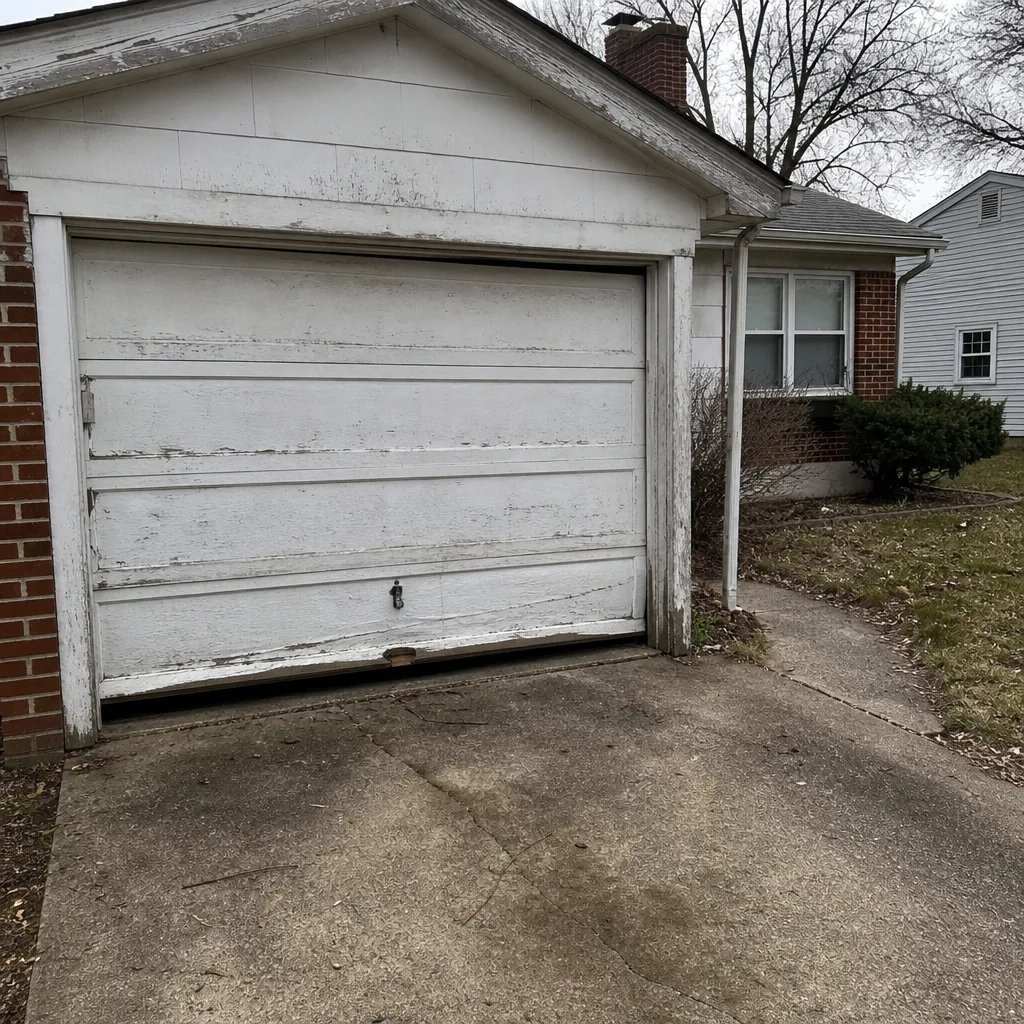 Before
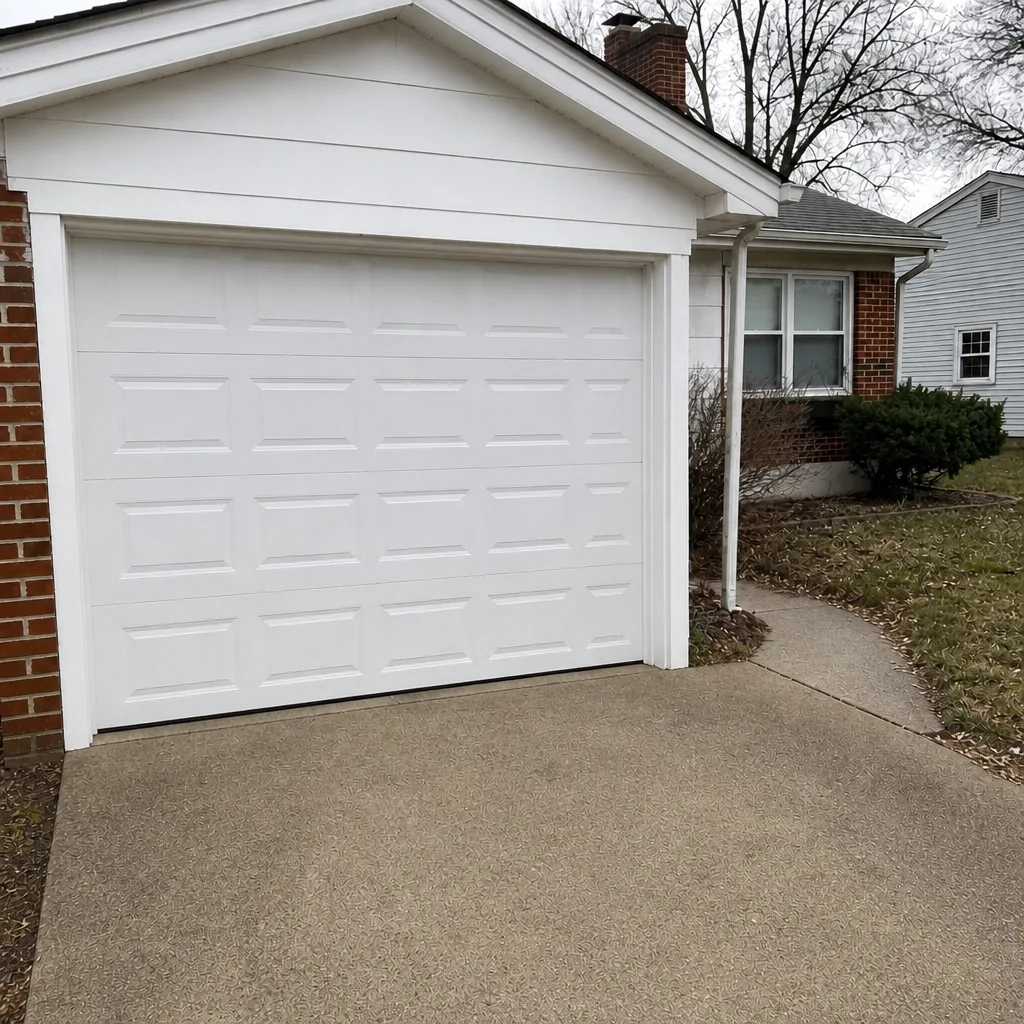 After
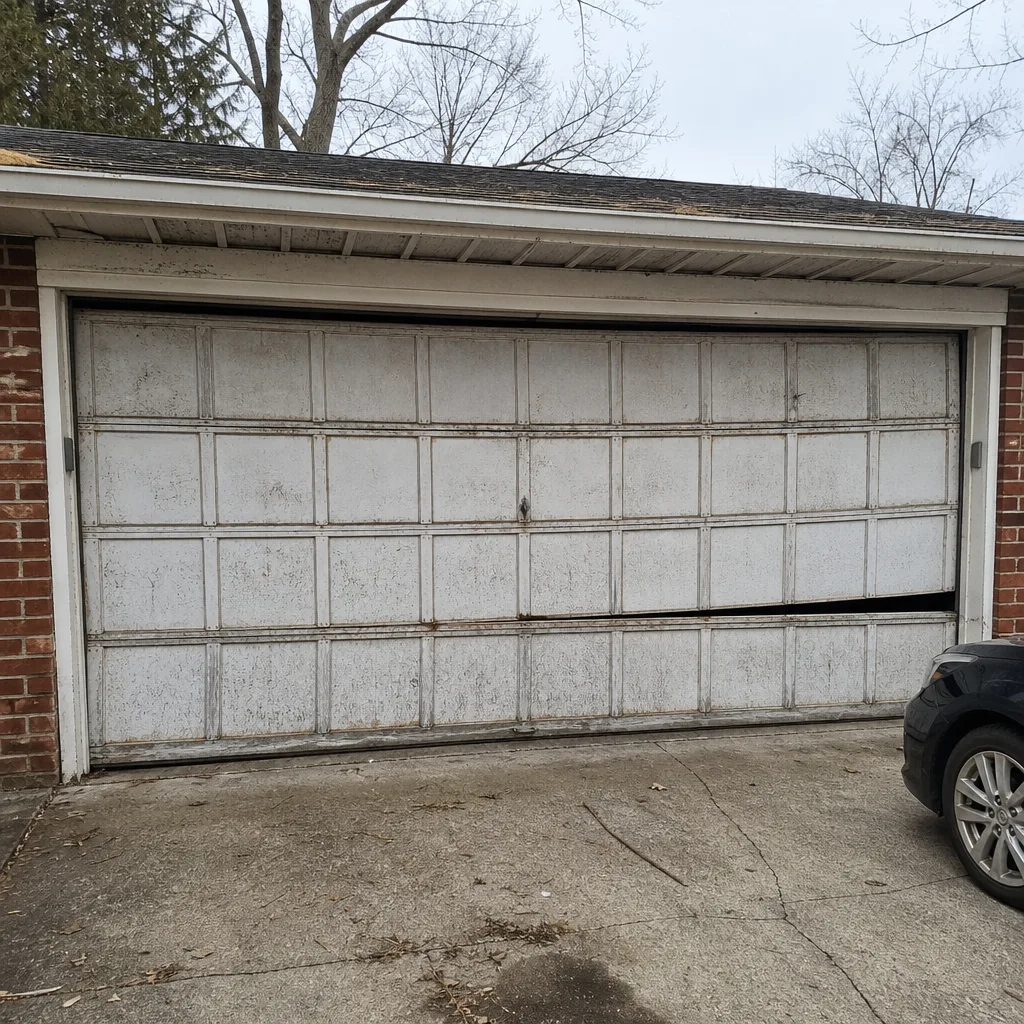 Before
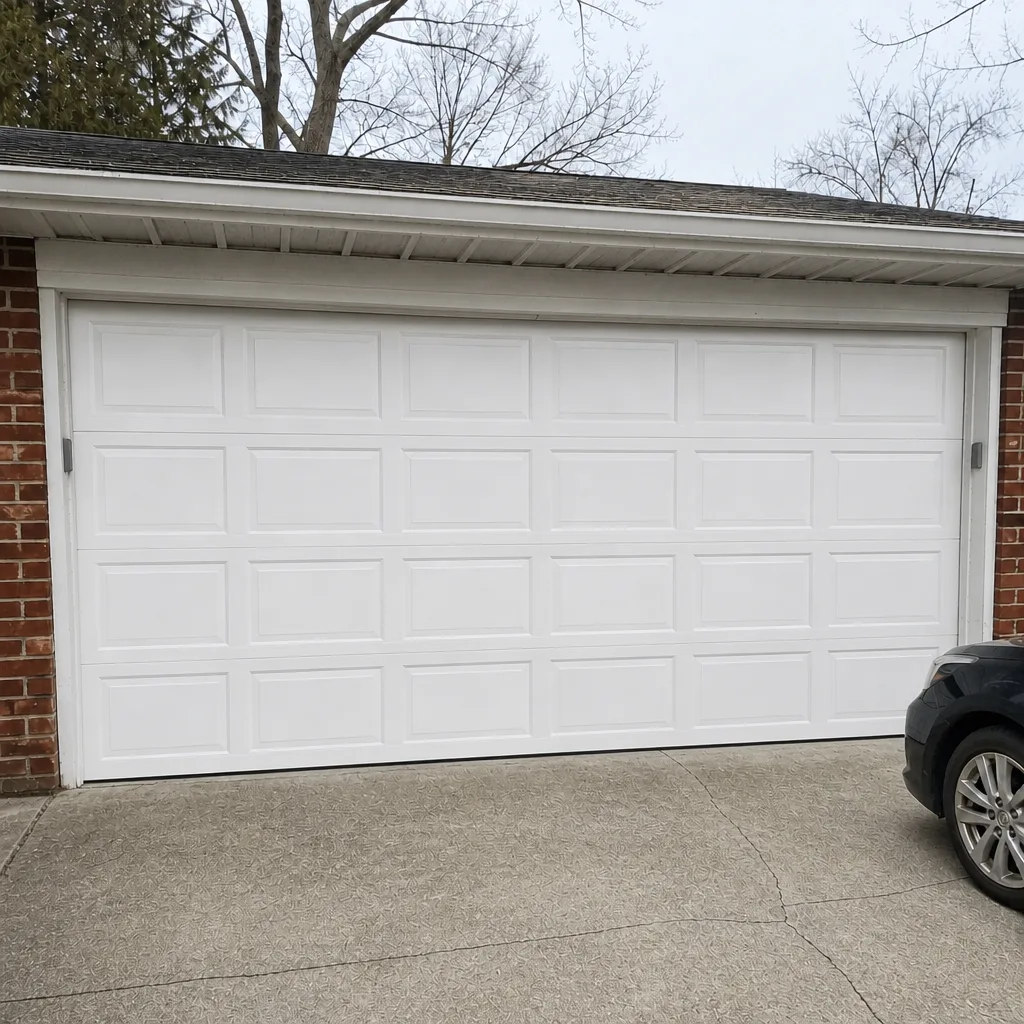 After
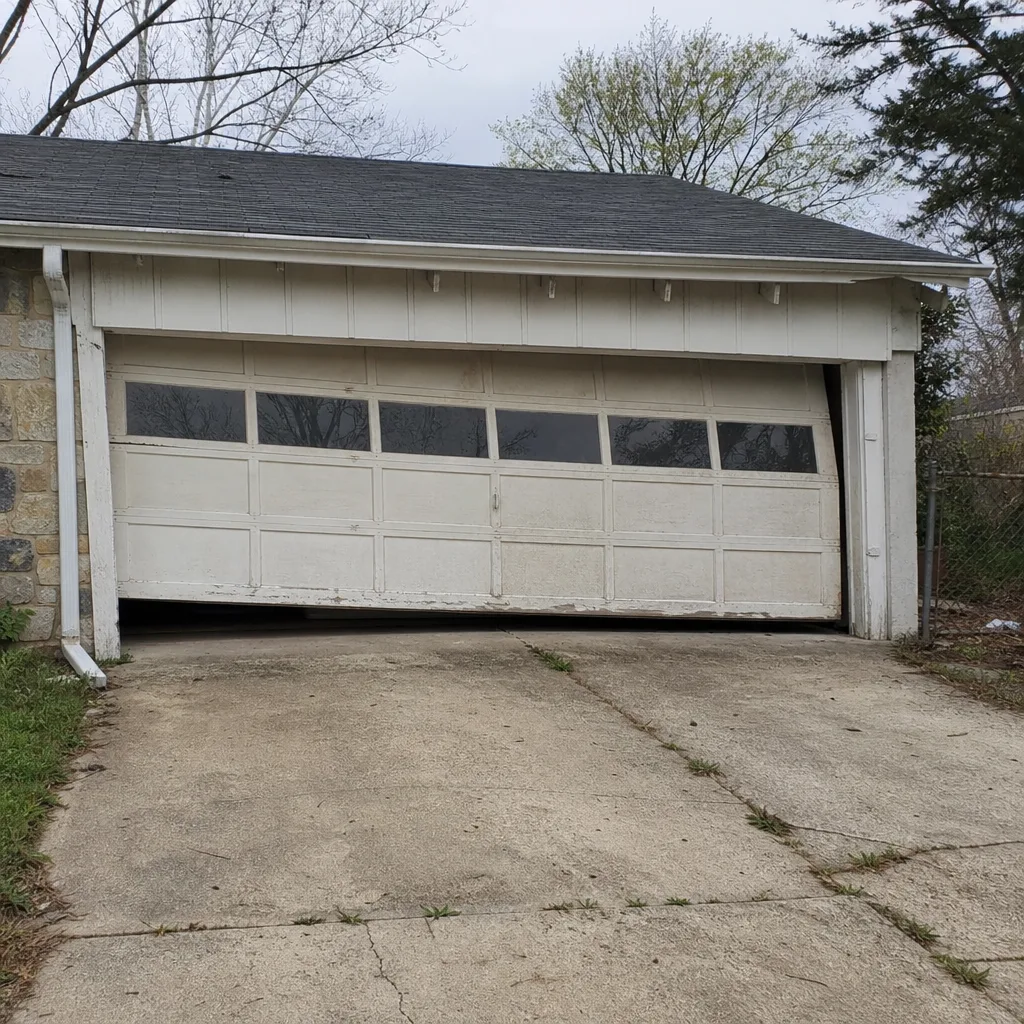 Before
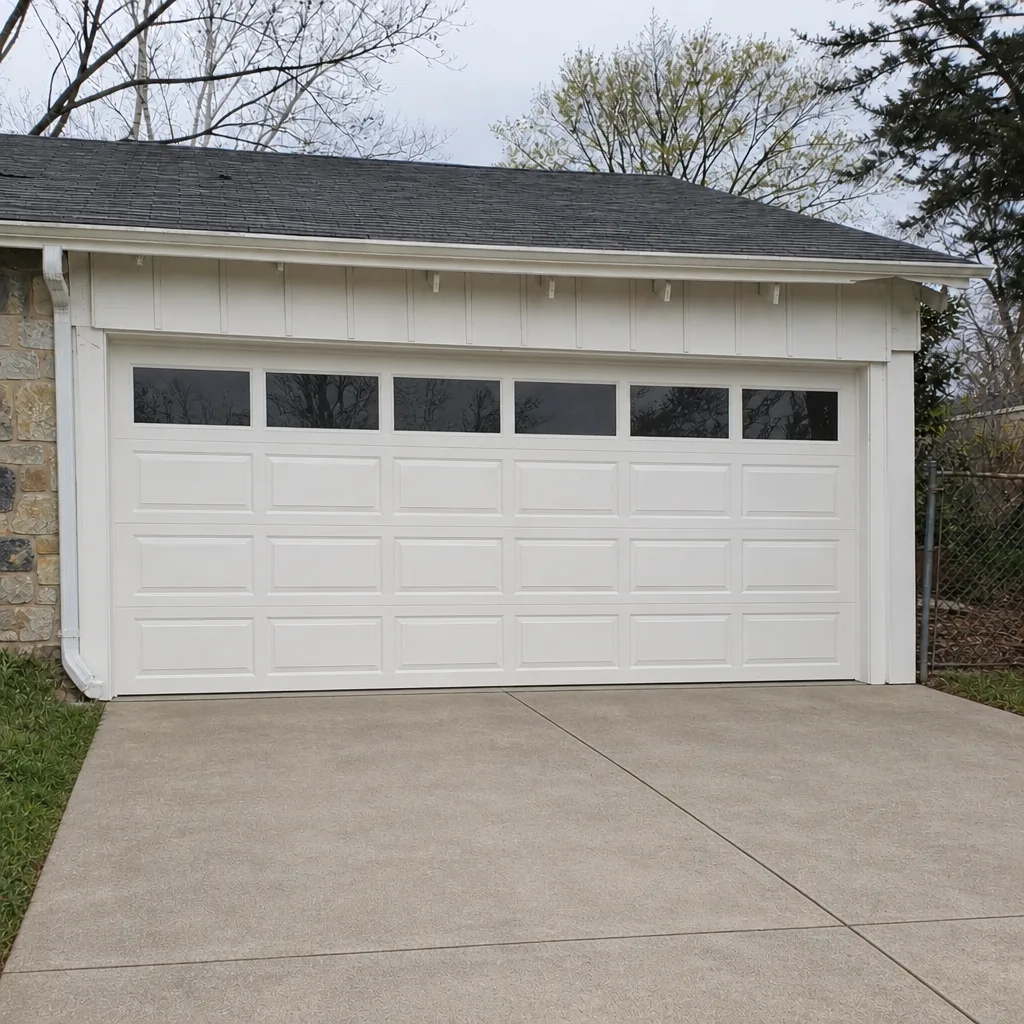 After
When to Call a Professional
Some things you can adjust yourself: tightening a loose hinge, cleaning the photo-eyes, replacing the remote battery, wiping down the tracks with a rag. Those are homeowner-level. Everything else on this page involves parts that carry stored energy or affect the door’s safe operation, and that’s when you want a trained set of eyes.
Specifically, call if the door has popped, if a spring has a gap, if a cable is frayed, if the door won’t stay up halfway, if it moves unevenly, or if the safety reverse isn’t working. Also call if the door is in a category you’re just not sure about – a phone conversation costs nothing.
Garage Door Repair Belair-Edison offers free estimates in Belair-Edison – call (855) 337-1760. We answer 24/7, and fast dispatch runs from 7am to 7pm Sunday through Friday. The price is quoted and agreed in writing before any work starts. If the door has passed the point where repair makes sense, our garage door installation team handles that too, and we’ll tell you honestly which option fits your door.
Frequently Asked Questions
The most common warning signs are unusual noises (grinding, popping, squealing), uneven door travel, bent or rusted tracks, frayed cables, and visible gaps in the springs. In Belair-Edison’s older housing, wood panel swelling and rusted bottom brackets from moisture intrusion come up more often than in newer construction. Most of these show up weeks before a total failure, which is what makes them worth learning to recognize.
A grinding or squealing sound is usually a nuisance that should be handled soon. A single loud pop or bang followed by a door that won’t lift is a broken spring and is safety-critical. If you’re unsure, stop running the door and describe the sound over the phone. Call (855) 337-1760 – we answer 24/7 and can tell you whether to schedule a service visit or wait.
It’s almost never the opener. An uneven door points to a cable, spring, or track issue that’s putting the two sides of the door out of balance. The opener just pushes the door up along the rail; it doesn’t control each side independently. If the door is crooked, treat it as a mechanical problem first. We handle garage door repair in Belair-Edison and can diagnose uneven travel the same visit.
Spring repair pricing varies by door size, spring type, and whether it’s one spring or a matched pair, so we don’t quote a price without seeing the door. A pair is usually replaced together because a matched set wears at the same rate. Our estimates are free, and the written quote is the price – the number won’t change once the technician is on site. Call (855) 337-1760 for an exact quote.
Most older wooden doors can be saved if the frame and panels are structurally sound. Swollen panels, offset tracks, and rusted bottom brackets are all repairable. Replacement makes more sense when the wood itself is deteriorating across multiple panels or the door has lost its structural integrity. We’ll tell you which one actually makes sense for your door, and we work on Clopay, Amarr, Wayne Dalton, and other major brands when replacement is the answer.
The warning signs are broadly the same across brands because the mechanisms – springs, cables, rollers, tracks – are largely similar. The differences come in the details: panel construction, insulation type, and how the hardware is mounted on older models. Our technicians work on the brand already in your garage, so we know what to expect on a Clopay, Amarr, or Wayne Dalton door before we arrive. That means faster diagnosis and fewer surprises on the estimate.
The Bottom Line
Garage door failures rarely come out of nowhere. A popping spring was a rusty spring with a gap three weeks earlier. A door that dropped on one side was moving unevenly for a month. Learning to read the noise, the movement, the spring, and the cable turns a panic call into a scheduled visit, and it turns a small repair into a small repair instead of a full replacement.
Use the noise map, run the monthly inspection, and treat the safety-critical column as a stop sign. If anything on your door is talking to you and you’re not sure what it means, call us at (855) 337-1760 for a free estimate. The written quote is the price, and if the door can be repaired rather than replaced, we’ll tell you.
Written by the team at Garage Door Repair Belair-Edison.